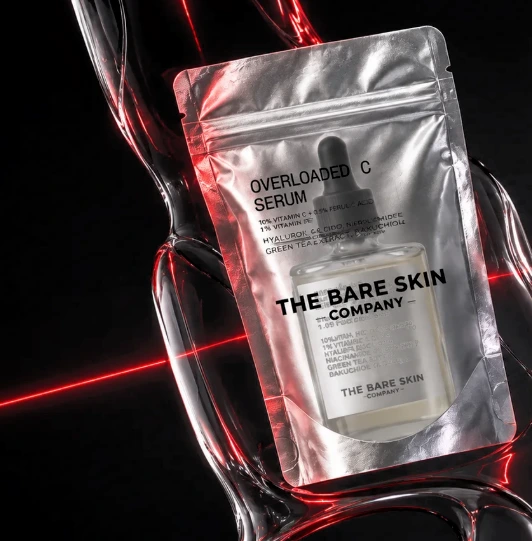

Vitamin C serums: how to choose and use them
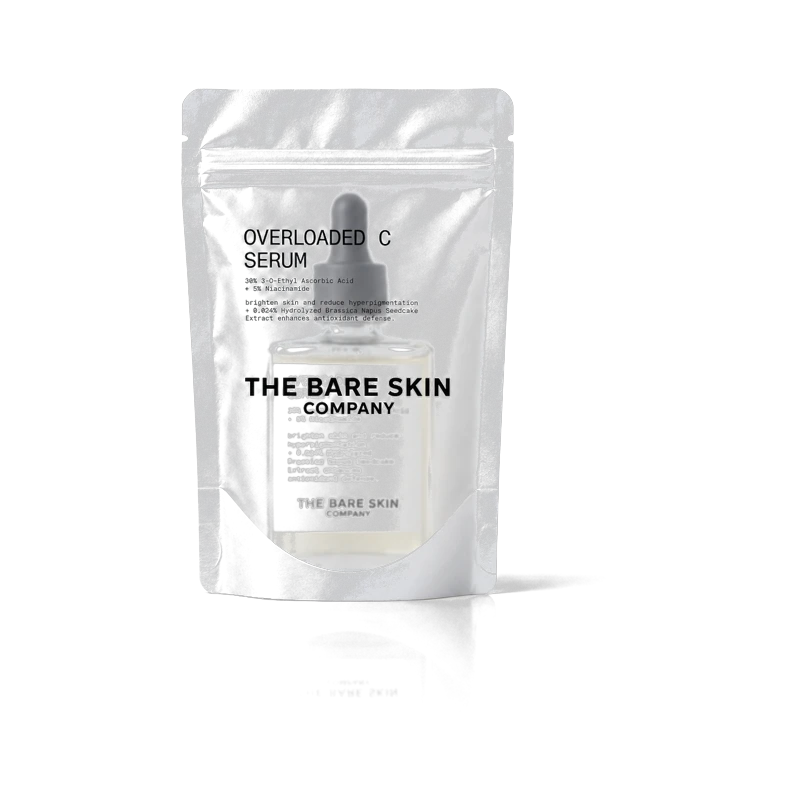
Vitamin C is one of the best-known antioxidants in skincare. A vitamin C serum can help your skin look brighter, more even and more radiant. It also supports the skin against environmental stress.
However, not every vitamin C serum is the same. This guide explains the different forms of vitamin C, what to look for when you choose a serum and how to use it in your routine.
What vitamin C does for your skin
Vitamin C is a powerful antioxidant. It helps protect the skin from free radicals, which are formed by UV light and air pollution. These free radicals contribute to early signs of skin ageing.
With regular use, vitamin C can help:
- Make the complexion look brighter and more radiant.
- Help dark spots and uneven skin tone look less visible.
- Support the skin’s natural structure, so it looks smoother and firmer.
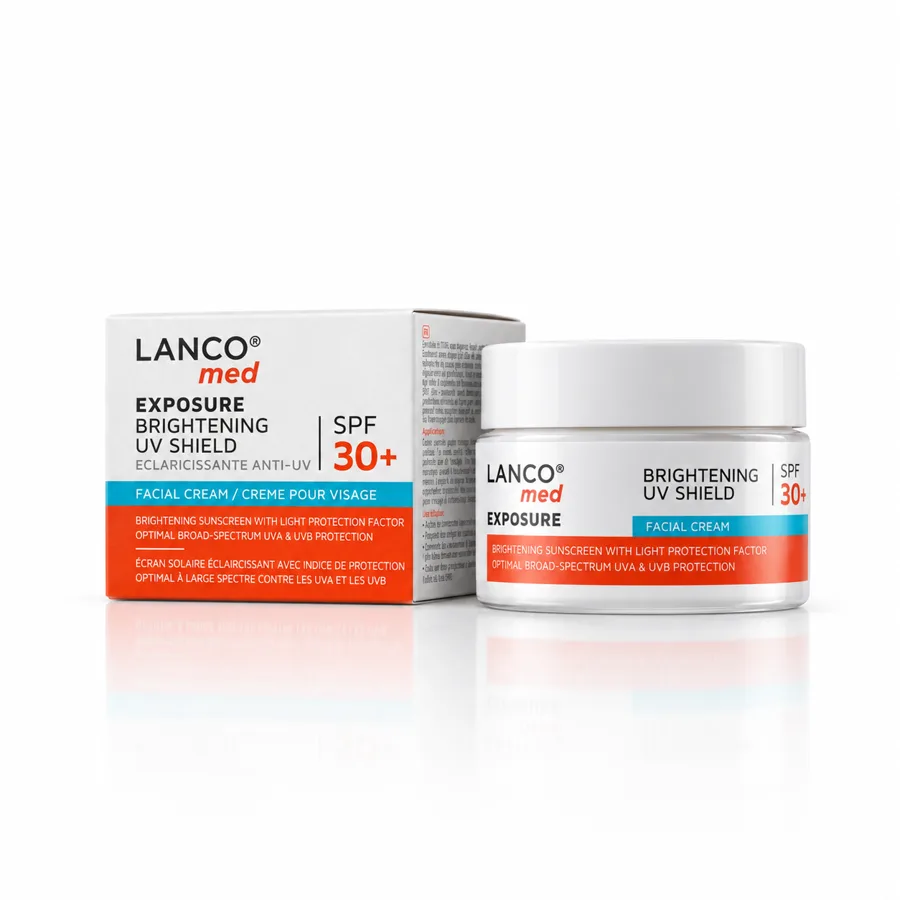
Vitamin C does not replace sunscreen. It works best as a partner to daily sun protection.
The different forms of vitamin C
On ingredient lists, vitamin C appears under several names. The most common forms are:
- Ascorbic acid: the pure form of vitamin C. It is very effective but can be less stable and may tingle on sensitive skin.
- 3-O-ethyl ascorbic acid: a stabilised form. It is more resistant to light and air and is often gentler.
- Other derivatives: for example ascorbyl glucoside or sodium ascorbyl phosphate. These are also milder and suit sensitive skin.
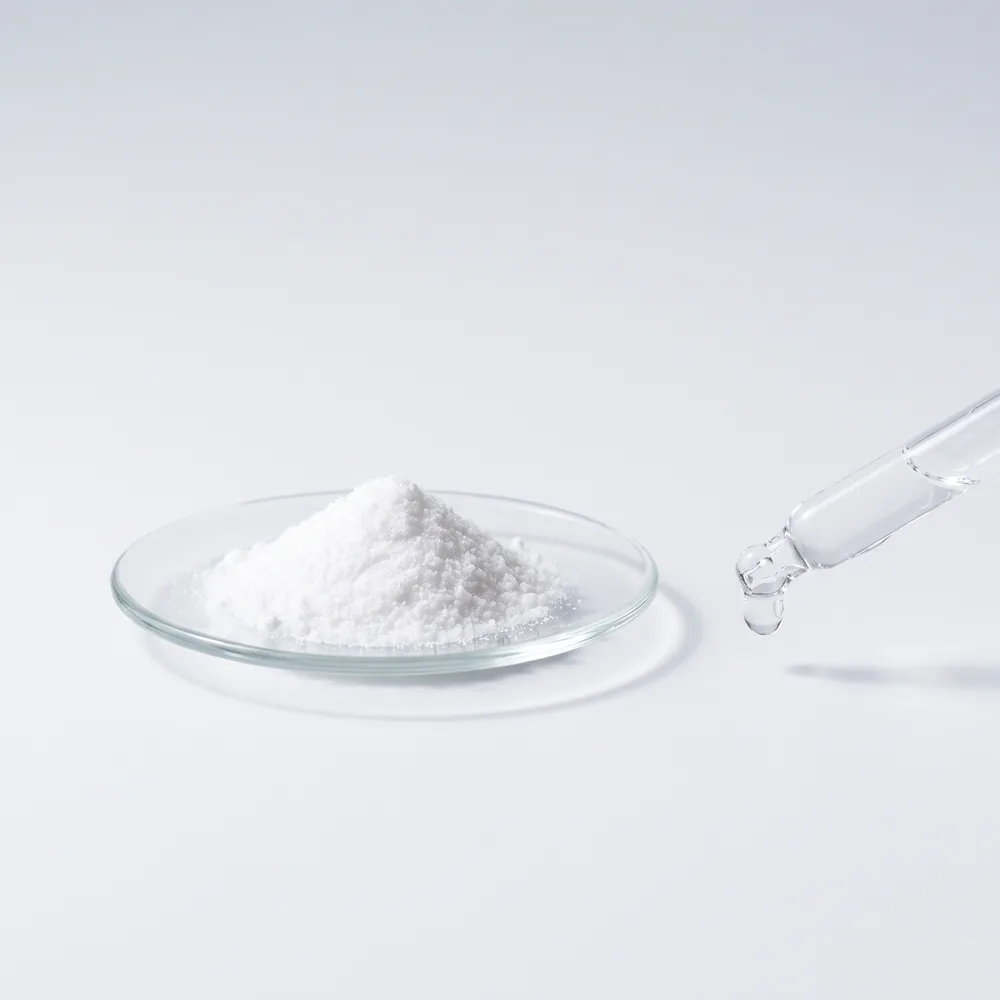
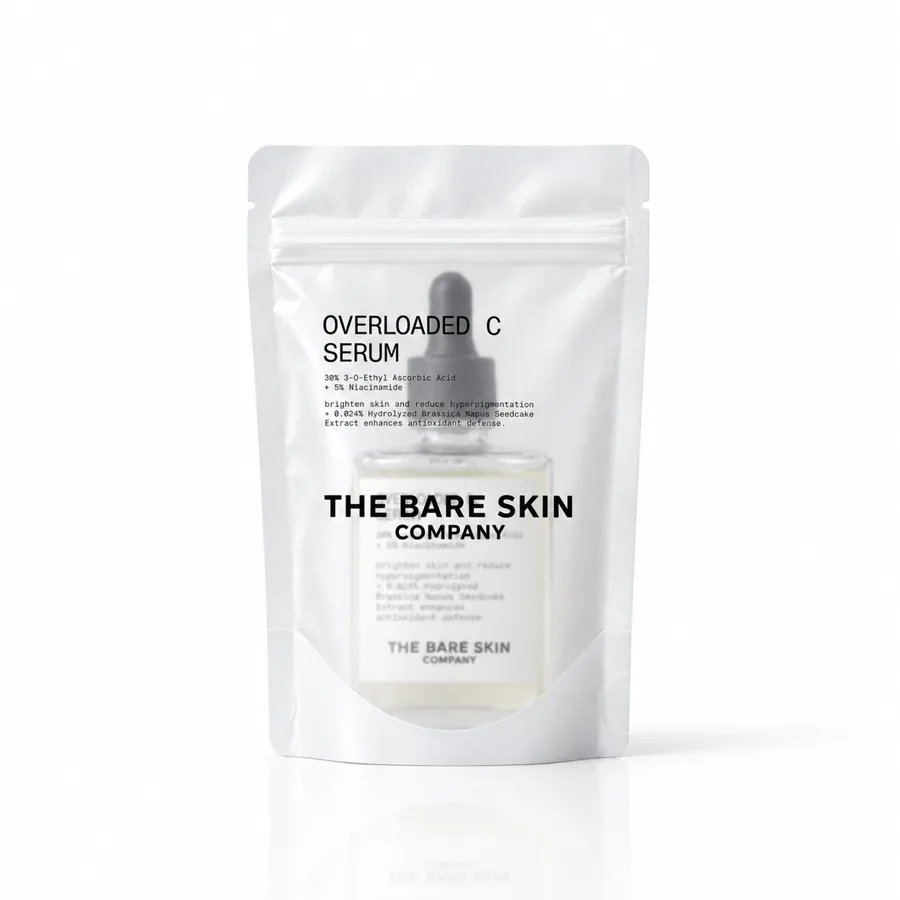
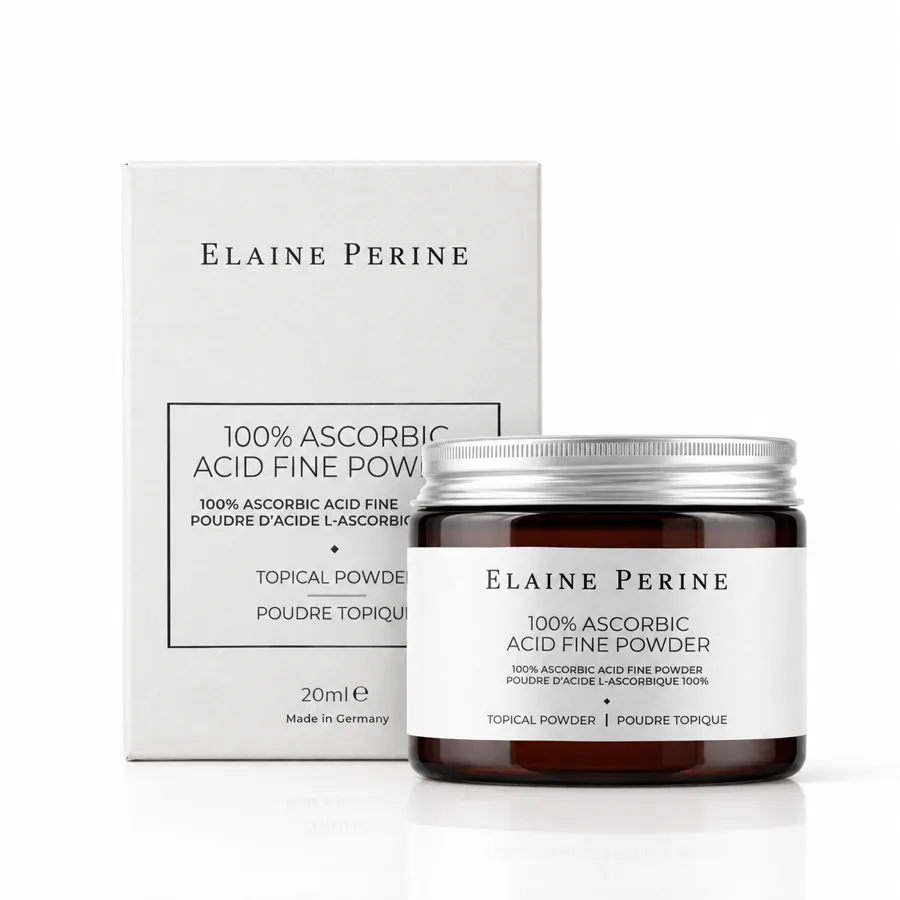
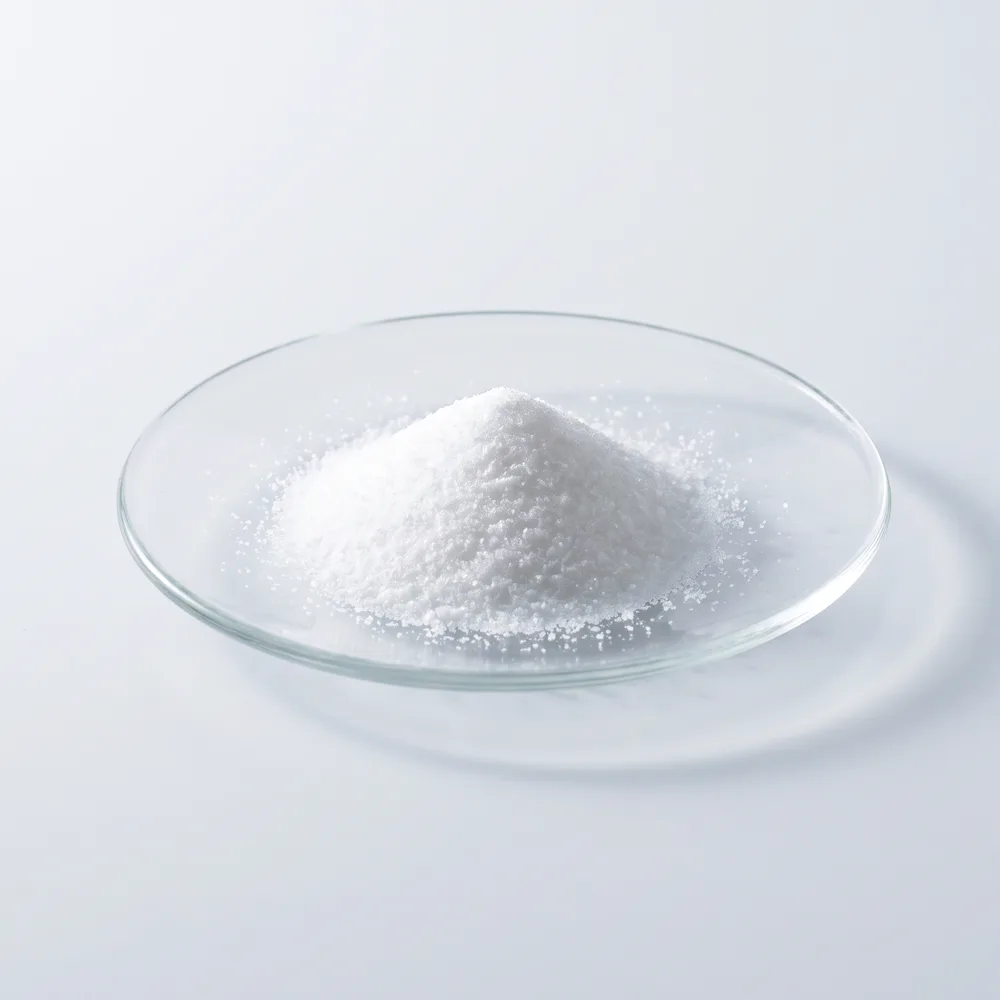
Pure vitamin C is also available as a fine powder. You mix a small amount with your serum or cream just before use. This way, it stays fresh.
How to choose a vitamin C serum
Keep these points in mind when you choose a product:
- Skin type: if your skin is sensitive, start with a stabilised form or a lower concentration.
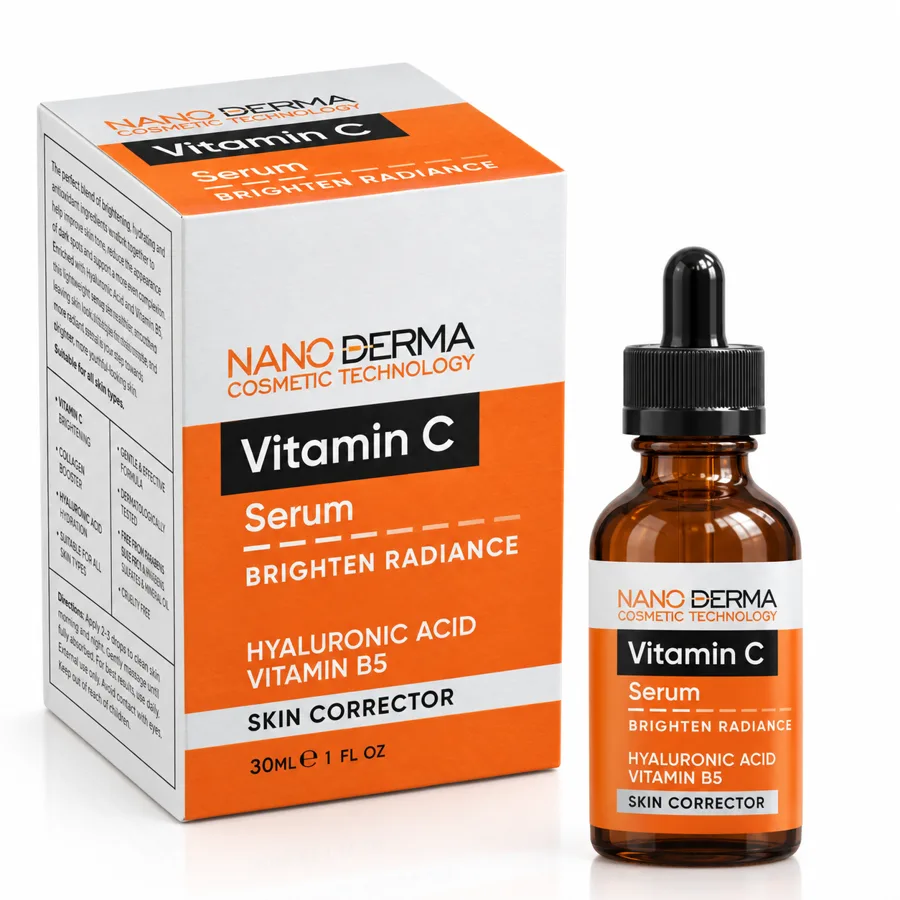
- Packaging: vitamin C is sensitive to light and air. Choose dark or opaque bottles with a small opening or a pump.
- Supporting ingredients: vitamin E works together with vitamin C and helps stabilise it. Hyaluronic acid adds hydration.
- Your goal: for dark spots, a combination with other brightening ingredients such as alpha arbutin or tranexamic acid can be useful.
A higher concentration does not automatically mean better results. A formula your skin tolerates well and that you use every day is the best choice.
How to use vitamin C
Your skin should be clean and dry before you apply vitamin C. Vitamin C is ideal in the morning, because it supports the skin against environmental stress during the day. Apply it after cleansing and before moisturiser and sunscreen. A few drops are enough for the face and neck.
If you are new to vitamin C, start every second day. Increase to daily use when your skin is used to it. A slight tingling at first can be normal. Avoid the area directly around the eyes and the lips. If the skin becomes red or irritated, stop using the product.
You can combine vitamin C with niacinamide or retinol. If your skin is sensitive, use retinol in the evening and vitamin C in the morning.
Storing your serum correctly
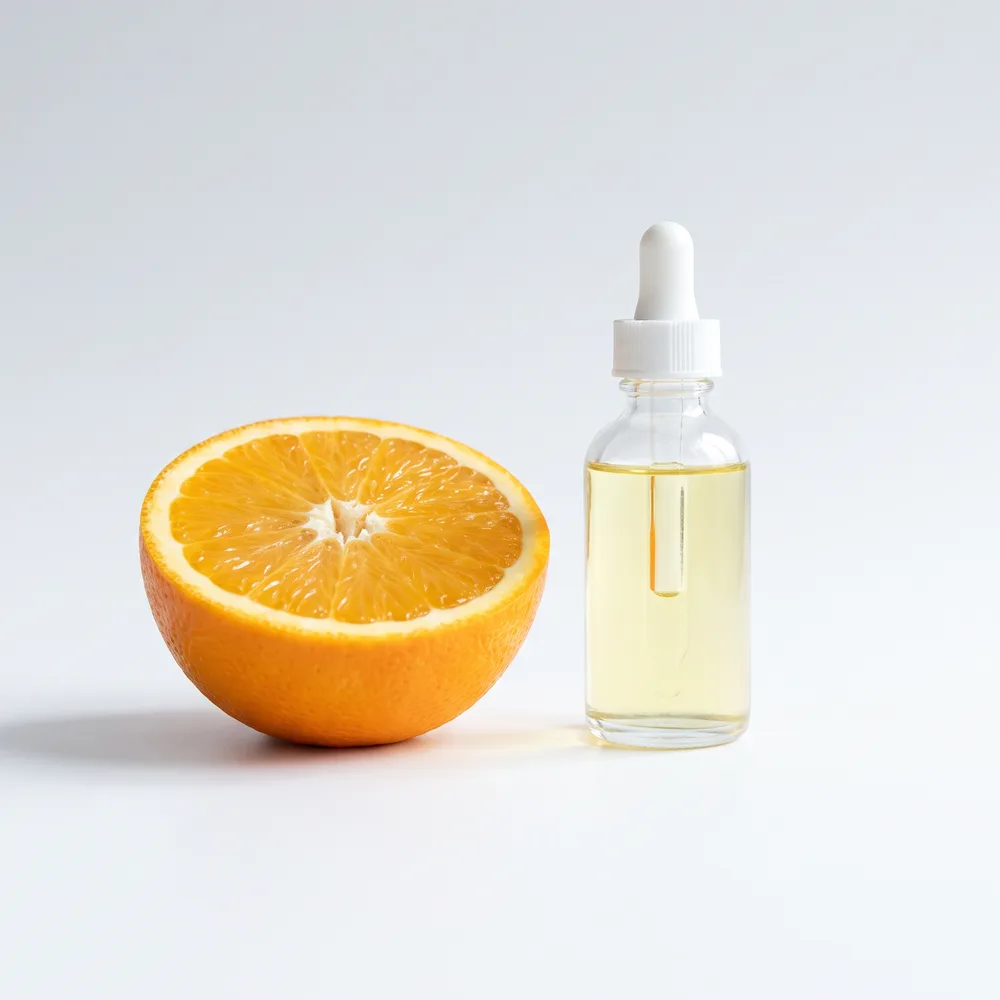
Vitamin C can oxidise when it is exposed to light, air and heat. An oxidised serum often turns darker, for example from clear or light yellow to orange or brown. It may then be less effective.
To keep your serum fresh, close the bottle tightly after each use. Store it in a cool, dark place, away from the bathroom window. Use it up within the period stated on the pack.
Smaller bottles have an advantage here. You use them up faster, so the serum stays fresh until the last drop. If you buy vitamin C as a powder, keep the container closed and dry. Mix only the amount you need for one application.
Your routine, step by step
Cleanse
In the morning, wash your face with a mild cleanser.
Vitamin C
Apply a few drops of vitamin C serum to your face and neck.
Moisturise
Follow with a moisturiser that suits your skin type.
Protect
Finish with a broad-spectrum sunscreen every day, and reapply it when you spend a long time outdoors.
Frequently asked questions
Can I use vitamin C in the evening?
Yes, you can. Many people prefer the morning, because vitamin C supports the skin against environmental stress during the day. What matters most is that you use it regularly.
Why does my vitamin C serum tingle?
Pure ascorbic acid has a low pH and can tingle briefly, especially on sensitive skin. If the tingling is strong or the skin becomes red, choose a stabilised form or a lower concentration.
Can I use vitamin C with niacinamide?
Yes, most skin types tolerate this combination well. If your skin is sensitive, you can use vitamin C in the morning and niacinamide in the evening.
This article provides general information about cosmetic skin care. It does not replace advice from a doctor, dermatologist or pharmacist. If symptoms are severe, painful or persistent, please seek professional advice. Always follow the directions on the individual product.