
Niacinamide: the all-rounder ingredient
Niacinamide is one of the most versatile ingredients in skincare. It appears in serums, creams, eye products and even sunscreens. Many people use it for oily skin, others for dryness or an uneven skin tone.
This guide explains what niacinamide is, what it can do for your skin and how to include it in your routine. You will also learn which ingredients it pairs well with.
What is niacinamide?
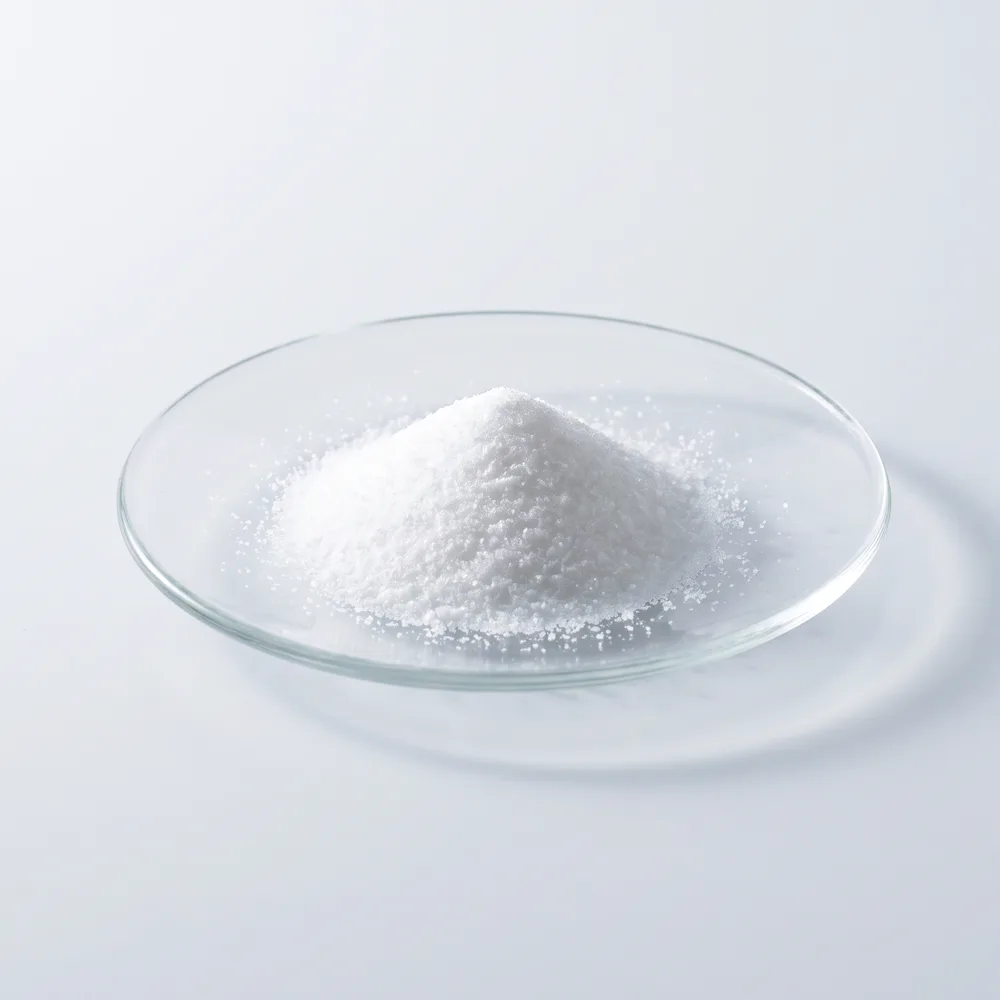
Niacinamide, also called nicotinamide, is a form of vitamin B3. It is water-soluble and stable, which makes it easy to use in many types of products. It does not break down quickly in light or air.
In skincare, niacinamide is valued because it supports several skin functions at once. It is gentle, so it suits most skin types, including sensitive and blemish-prone skin.
What niacinamide can do for your skin
Niacinamide supports the skin in different ways. With regular use, it can help:
- Strengthen the skin barrier: it supports the skin’s own lipids, so the skin can hold moisture better.
- Balance oily skin: it can help the skin look less shiny and pores look smaller.
- Even out skin tone: it can help dark spots and post-blemish marks look less visible.
- Calm the look of redness: it supports a calmer, more comfortable feel.
- Refine texture: the skin can look smoother and more radiant.
Because of these many benefits, niacinamide is often called an all-rounder. It does not replace other targeted ingredients, but it supports almost every routine.
Which concentration is right?
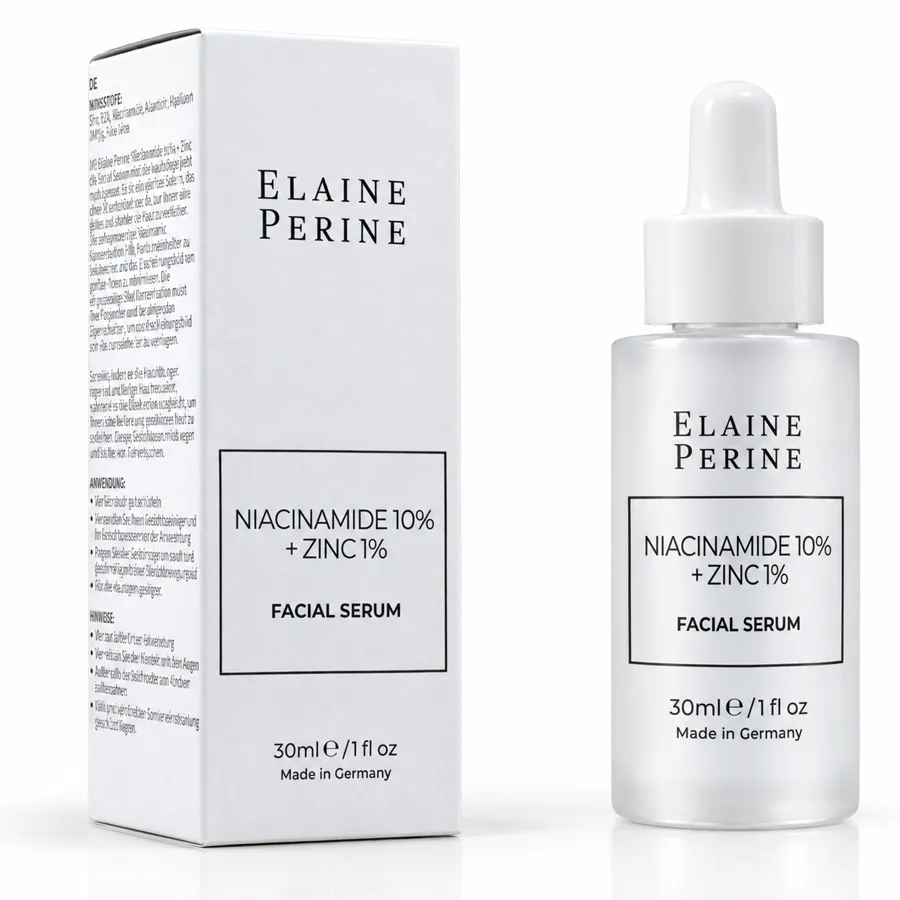
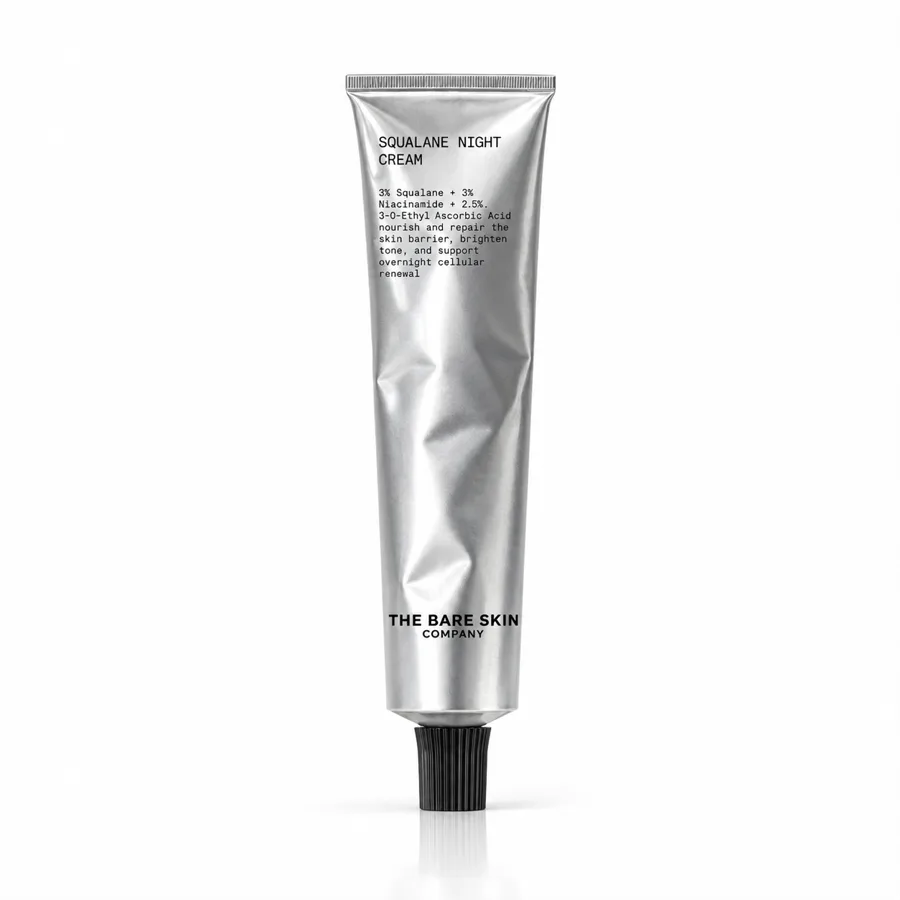
Niacinamide is used in many different concentrations. Lower amounts are common in creams and eye products. Serums often contain higher amounts.
Higher is not always better. Very high concentrations can cause a warm feeling or redness in some people, especially those with sensitive skin. If you are new to niacinamide, start with a moderate concentration. Increase it only if your skin tolerates it well.
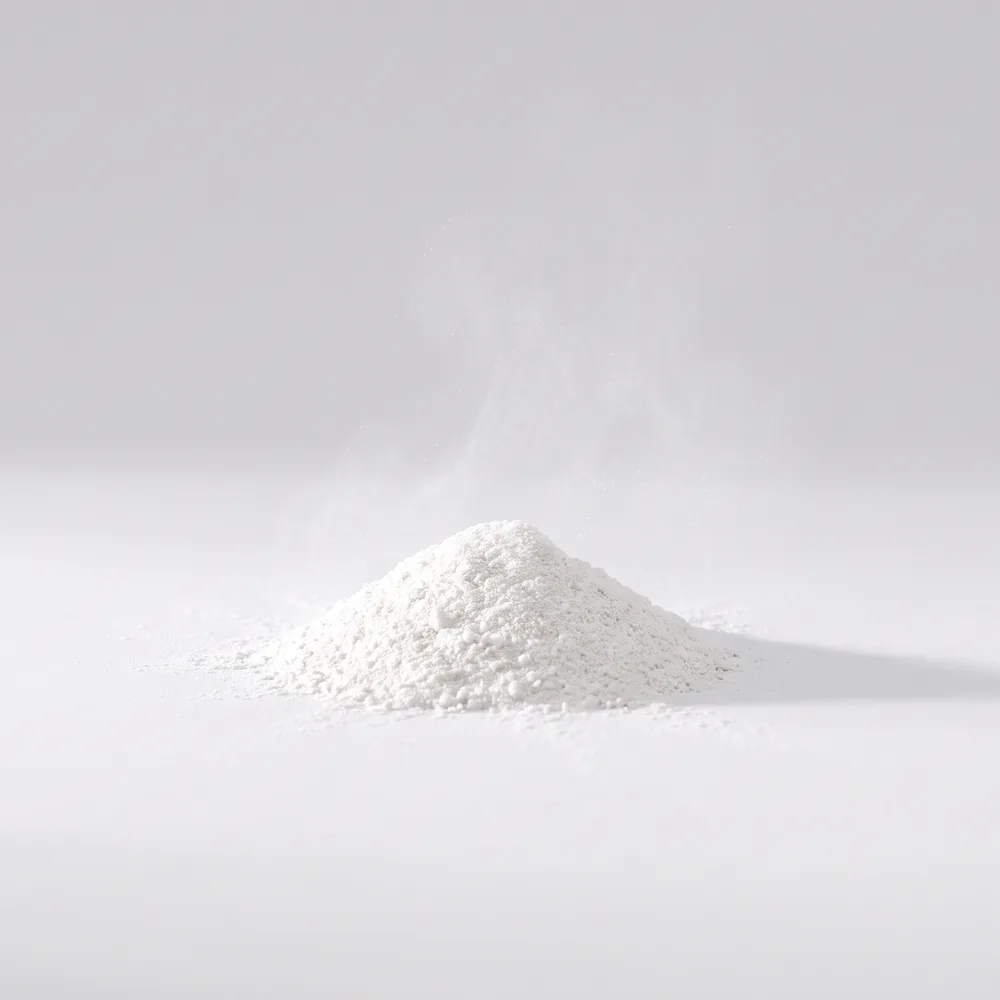
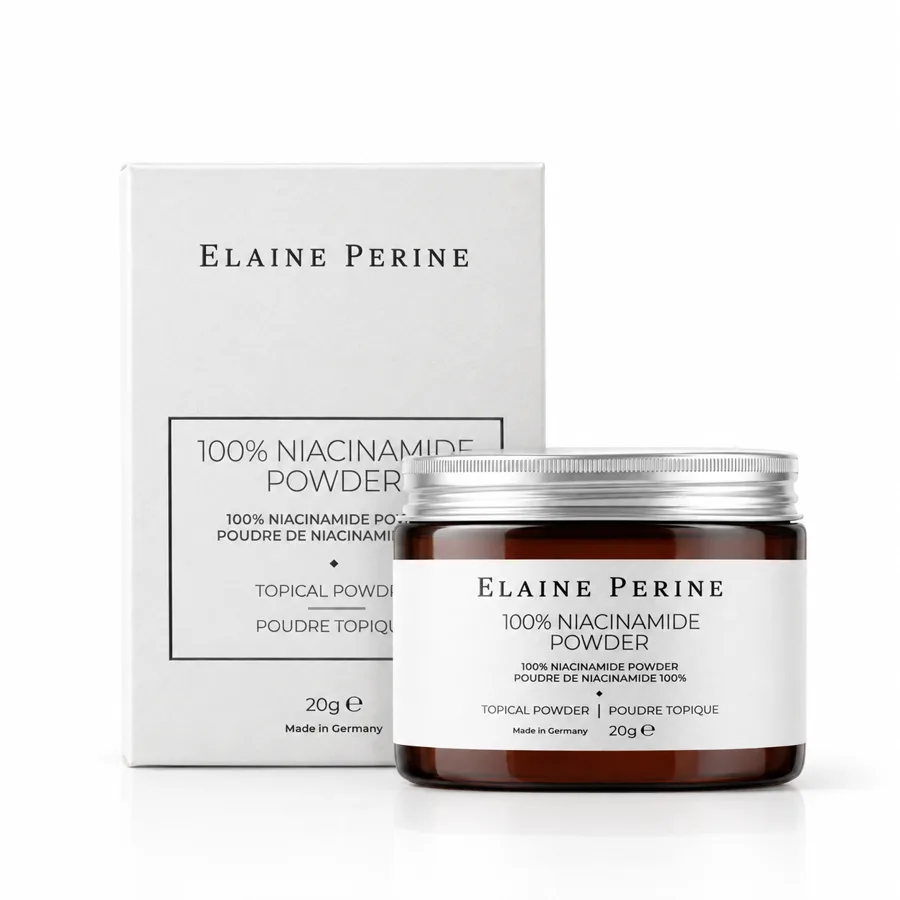
The texture of the product also matters. Light serums and gels suit oily and combination skin. Creams with niacinamide are a good choice for dry skin, because they combine the ingredient with nourishing lipids. Pure niacinamide powder can be mixed into your usual serum or cream. Always follow the instructions on the pack and use only a small amount.
Combining niacinamide with other ingredients
Niacinamide works well with most ingredients. Some good combinations are:
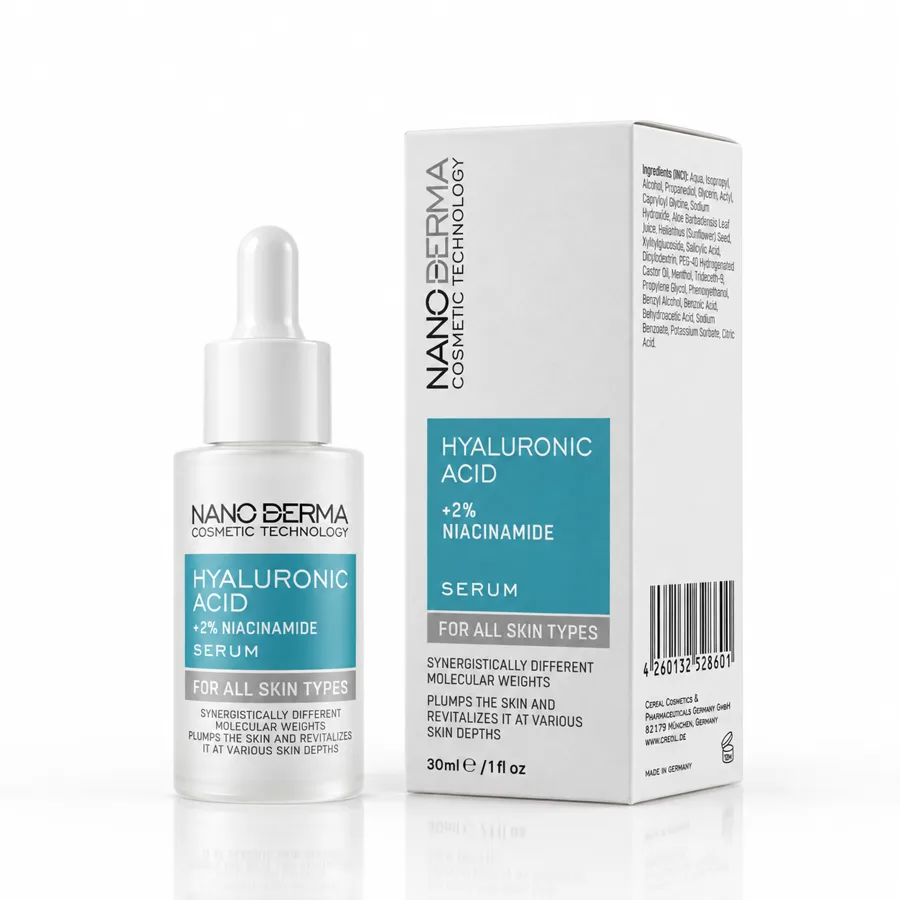
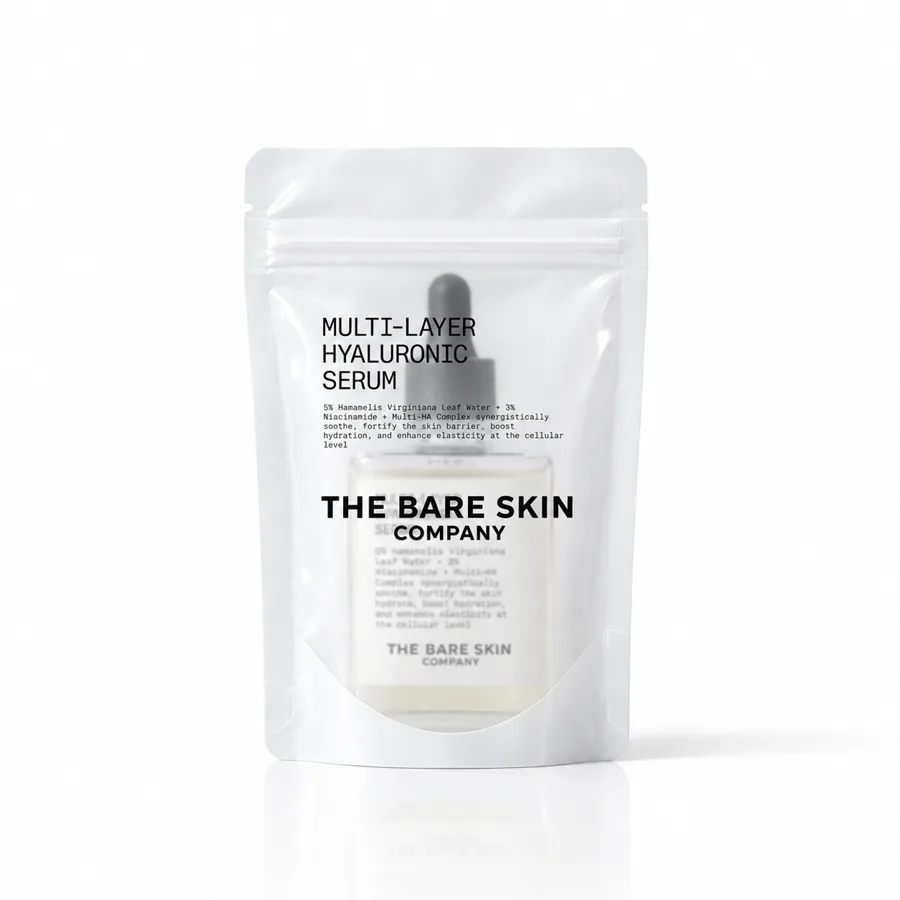
- Hyaluronic acid: it binds water in the skin. Together with niacinamide, it supports hydrated, comfortable skin.
- Zinc oxide: this mineral UV filter is used in sunscreens. A niacinamide serum in the morning followed by a mineral sunscreen helps protect and care for the skin at the same time.
- Retinol and acids: niacinamide can help the skin feel more comfortable when you use stronger active ingredients.
You can also use niacinamide together with vitamin C. If your skin is sensitive, apply them at different times of day, for example vitamin C in the morning and niacinamide in the evening.
How to use niacinamide
Niacinamide is suitable for morning and evening routines. It does not make the skin more sensitive to the sun, so you can use it all year round. Apply a niacinamide serum after cleansing and before your moisturiser. A few drops are enough for the whole face. You can use it once or twice a day.
In the morning, always finish your routine with sunscreen. This is important for every routine, especially if you want to help dark spots look less visible. Be patient: most people see the first changes after several weeks of daily use.
If you have persistent blemishes, strong redness or other skin problems that do not improve, ask a dermatologist or pharmacist for advice.
Your routine, step by step
Cleanse
Wash your face with a gentle cleanser and pat it dry.
Serum
Apply a few drops of niacinamide serum to the whole face.
Hydrate
Follow with a moisturiser or a hyaluronic acid serum to support hydration.
Protect
In the morning, finish with a broad-spectrum sunscreen, for example a mineral formula with zinc oxide.
Frequently asked questions
Can I use niacinamide every day?
Yes, niacinamide is suitable for daily use, morning and evening. Most skin types tolerate it well. If you notice redness or a warm feeling, use it less often or choose a lower concentration.
Is niacinamide suitable for sensitive skin?
Niacinamide is generally well tolerated by sensitive skin. Start with a moderate concentration and test the product on a small area first. Stop using it if irritation occurs.
How long does it take to see results?
Some people notice that their skin feels more comfortable after a short time. Visible changes in tone and texture usually need several weeks of regular use.
This article provides general information about cosmetic skin care. It does not replace advice from a doctor, dermatologist or pharmacist. If symptoms are severe, painful or persistent, please seek professional advice. Always follow the directions on the individual product.