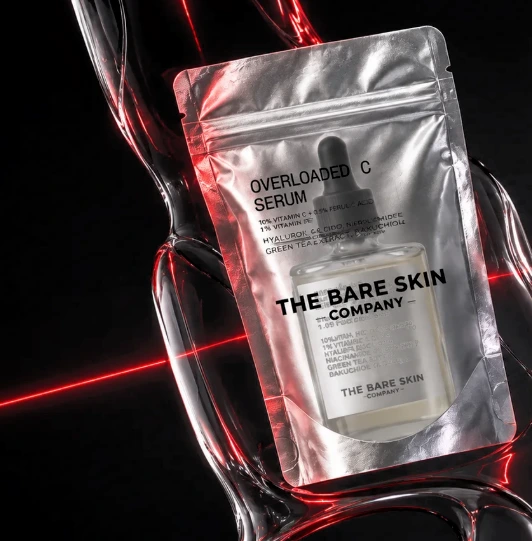

How to build a routine for blemish-prone skin

Blemish-prone skin is not a sign that you are doing something wrong. Breakouts happen when excess oil, dead skin cells and bacteria build up inside a pore. Hormones, stress, genetics and some cosmetic products can all play a part.
The good news is that a calm, consistent routine can make a visible difference. You do not need ten products. You need a few well-chosen steps, the right ingredients and some patience.
Why blemishes form
Every pore contains a hair follicle and a sebaceous gland. The gland produces sebum, an oil that keeps the skin supple. When the skin makes too much sebum, or when dead cells do not shed properly, the pore can become blocked.
A blocked pore can stay small and closed (a whitehead) or open at the surface (a blackhead). If bacteria multiply inside the blocked pore, the area can become red and swollen. This is what most people call a pimple.
A good routine targets these points. It helps the skin shed dead cells, keeps oil in balance and supports a calm, healthy skin barrier.
Gentle cleansing is the foundation
Cleansing removes oil, sweat, sunscreen and make-up. It also prepares the skin for the next steps. However, more is not better. Cleansers that leave your skin tight or squeaky can weaken the skin barrier. A stressed barrier may then look more irritated and produce more visible shine.
- Cleanse in the morning and in the evening.
- Use lukewarm water, not hot water.
- Choose a mild gel or foam cleanser without strong fragrance.
- Pat your face dry with a clean towel.
Avoid rough scrubs and brushes on active breakouts. Friction can make red spots look worse.
Key ingredients that help
Several cosmetic ingredients are well suited to blemish-prone skin. You do not need all of them at once.
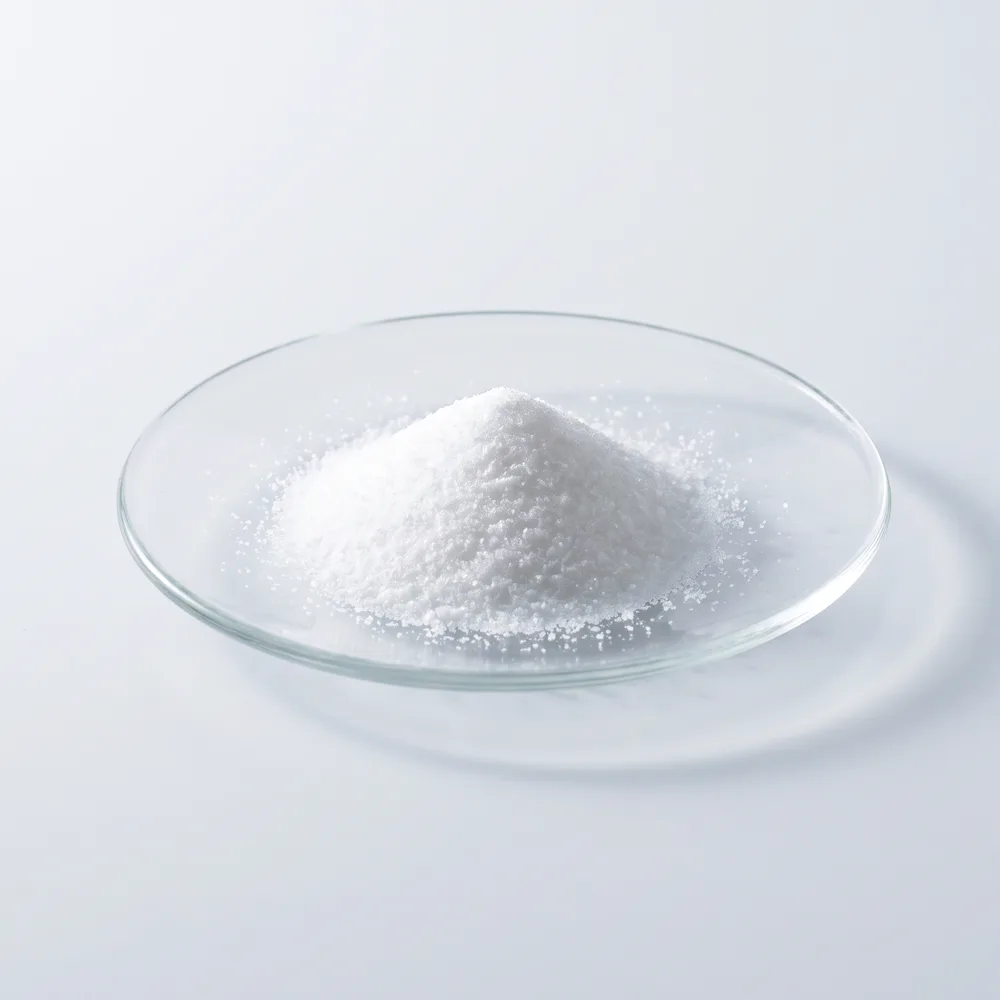
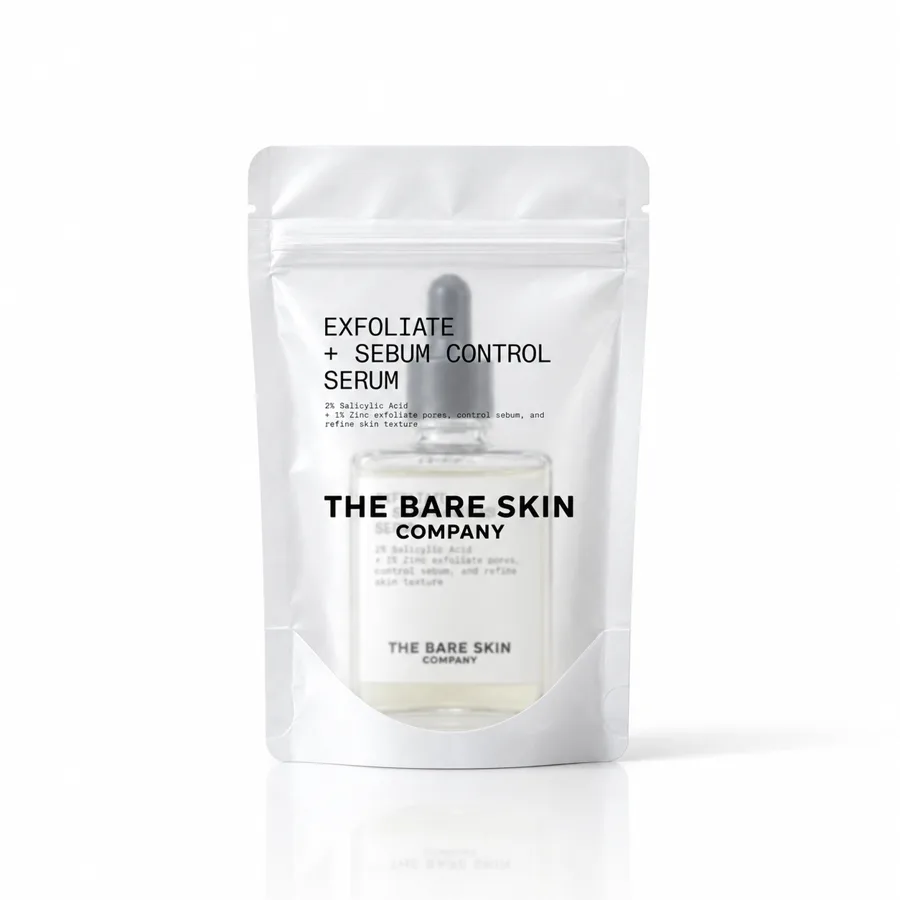
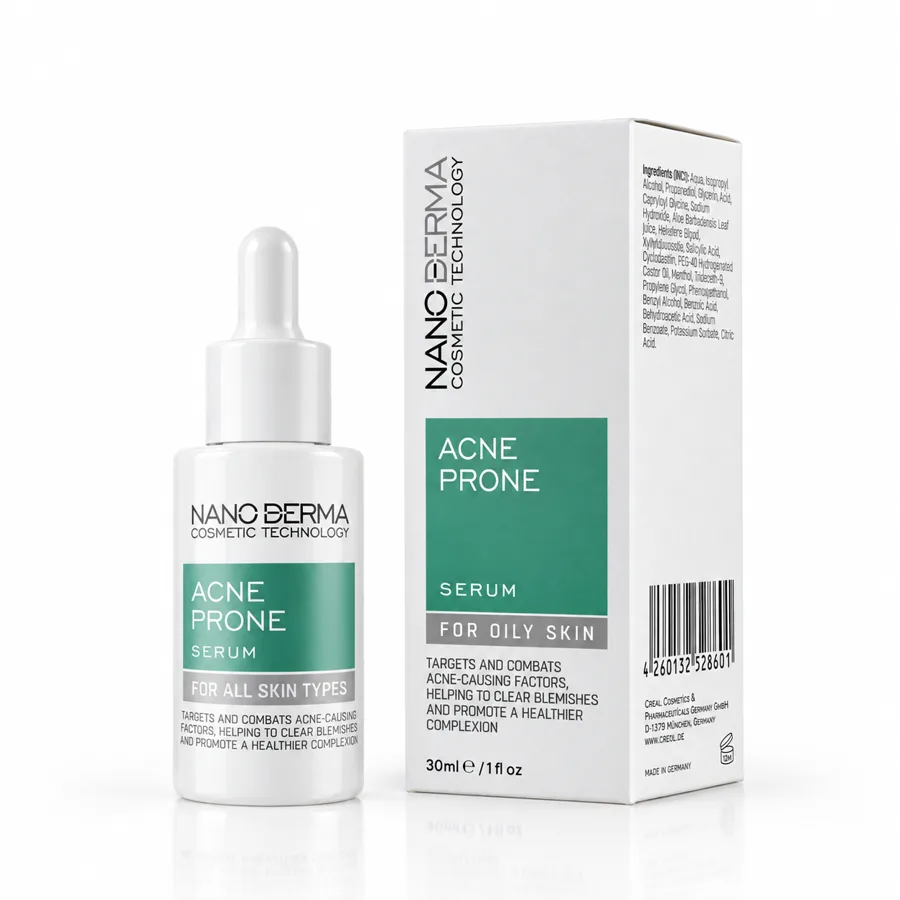
- Salicylic acid is a beta hydroxy acid (BHA). It is oil-soluble, so it can work inside the pore and help loosen dead cells and excess sebum.
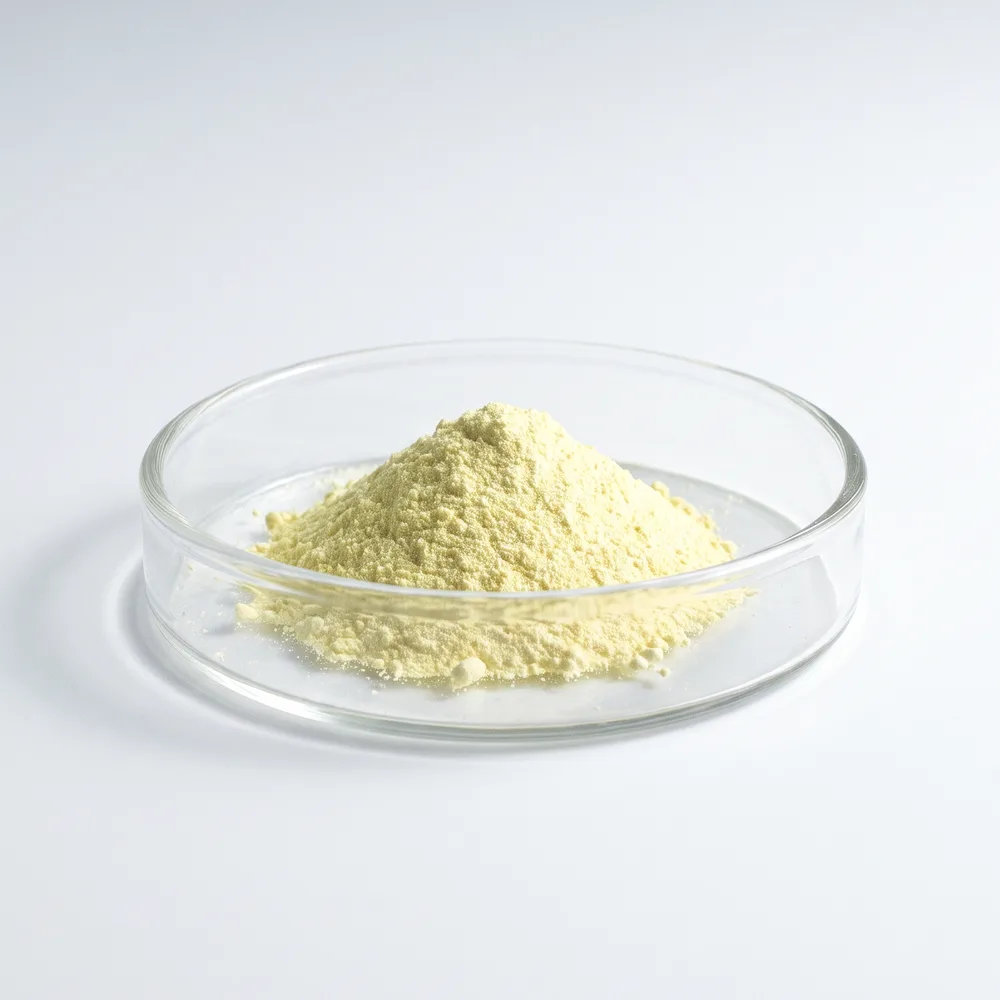
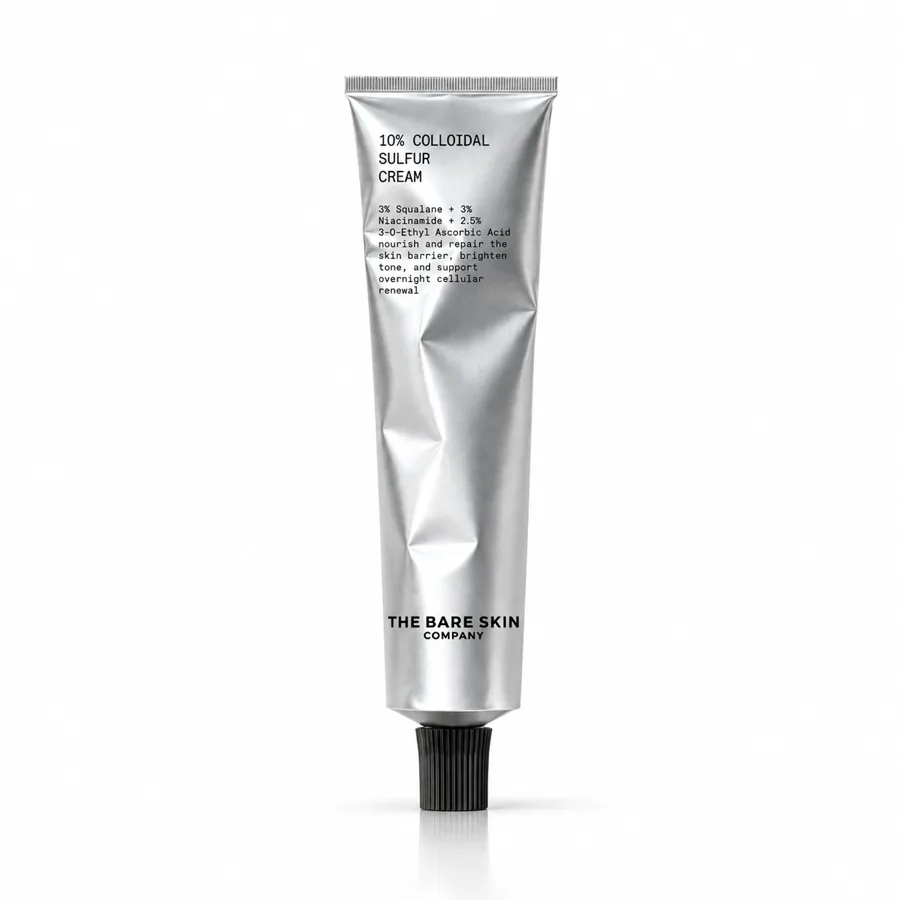
- Sulfur has been used in skincare for a long time. It helps absorb excess oil and has a mild exfoliating effect. It is often a gentler option for sensitive skin.
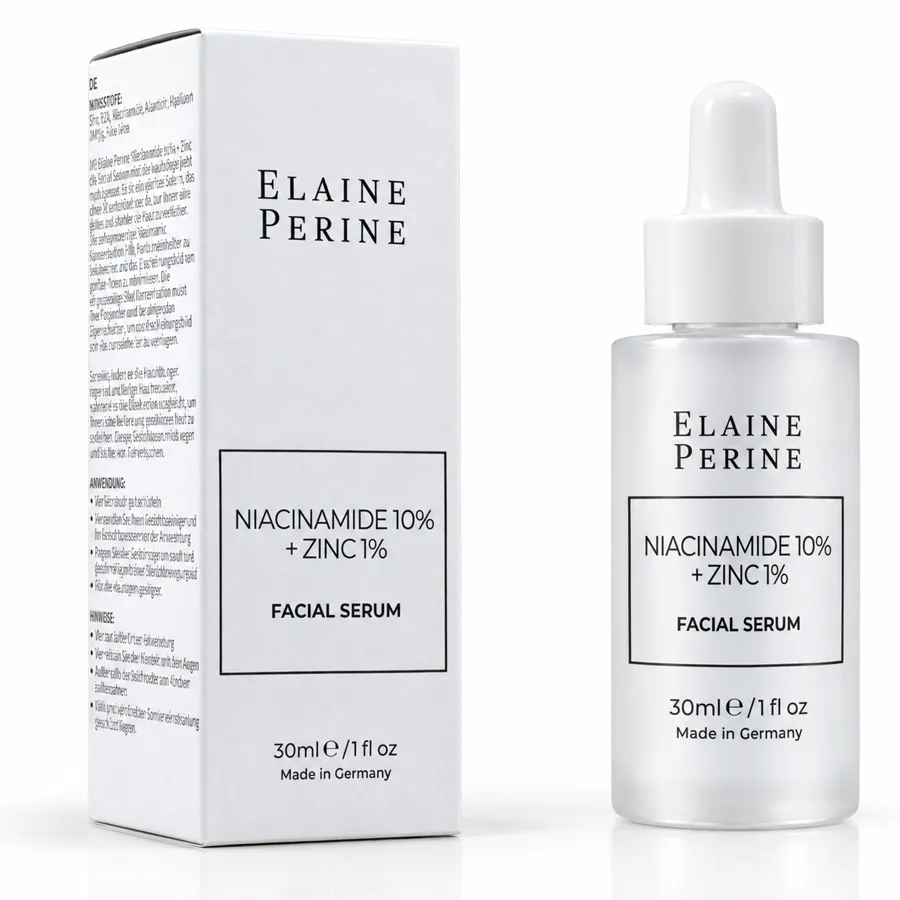
- Niacinamide (vitamin B3) supports the skin barrier and can help the skin look more balanced and less red.
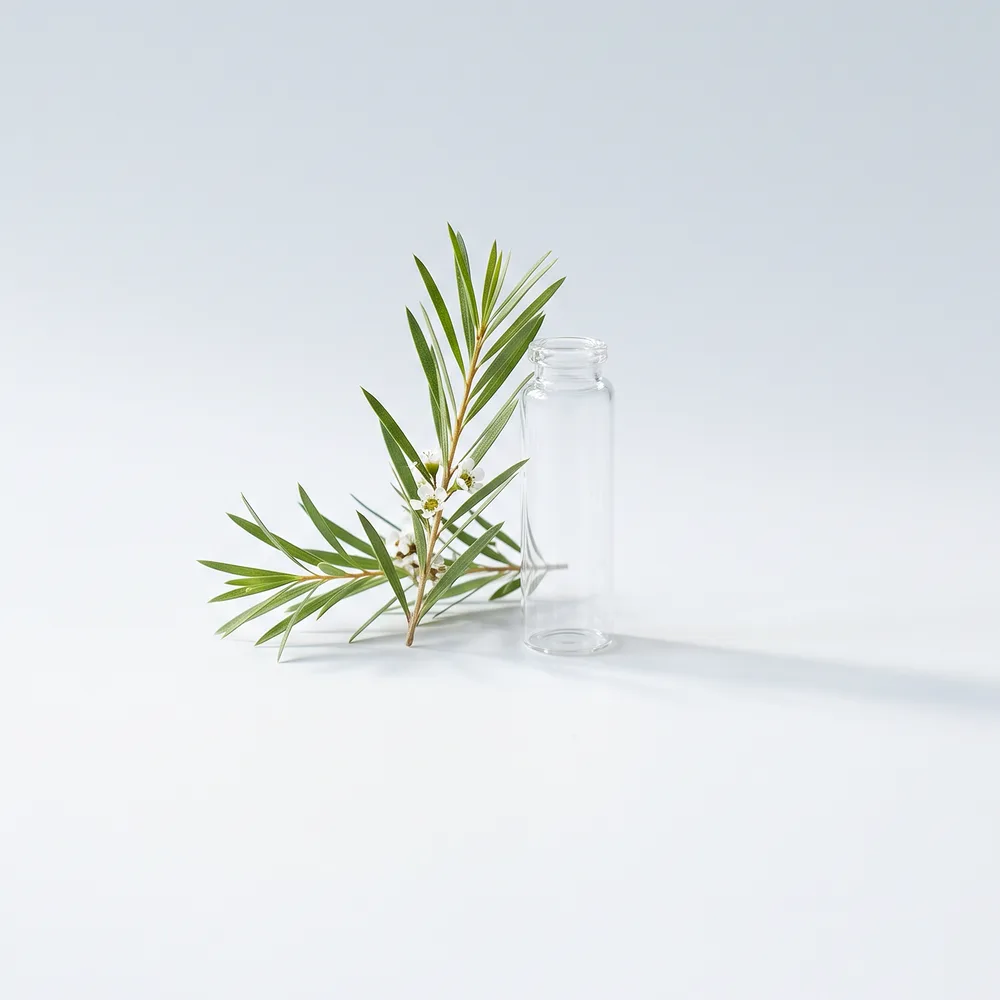
- Tea tree oil is a plant oil with a purifying reputation. Use it only in well-formulated products and never undiluted on the skin.
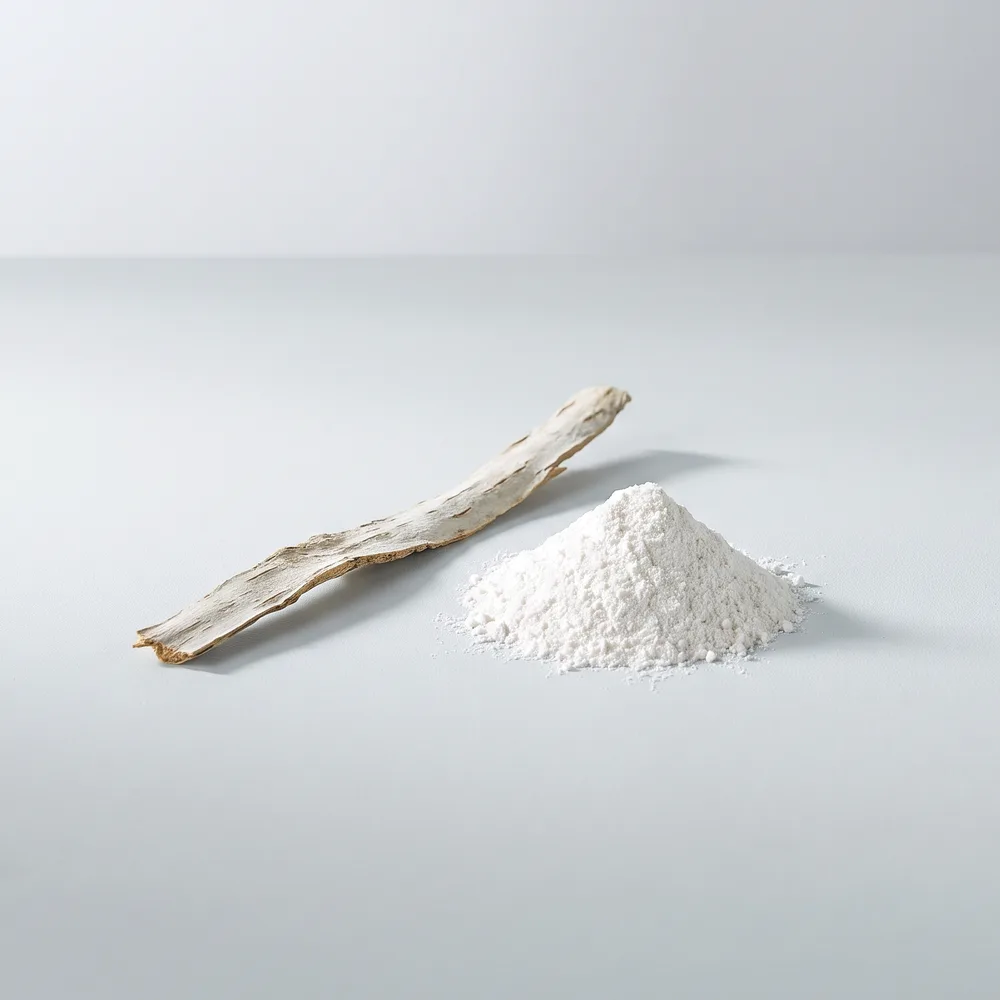
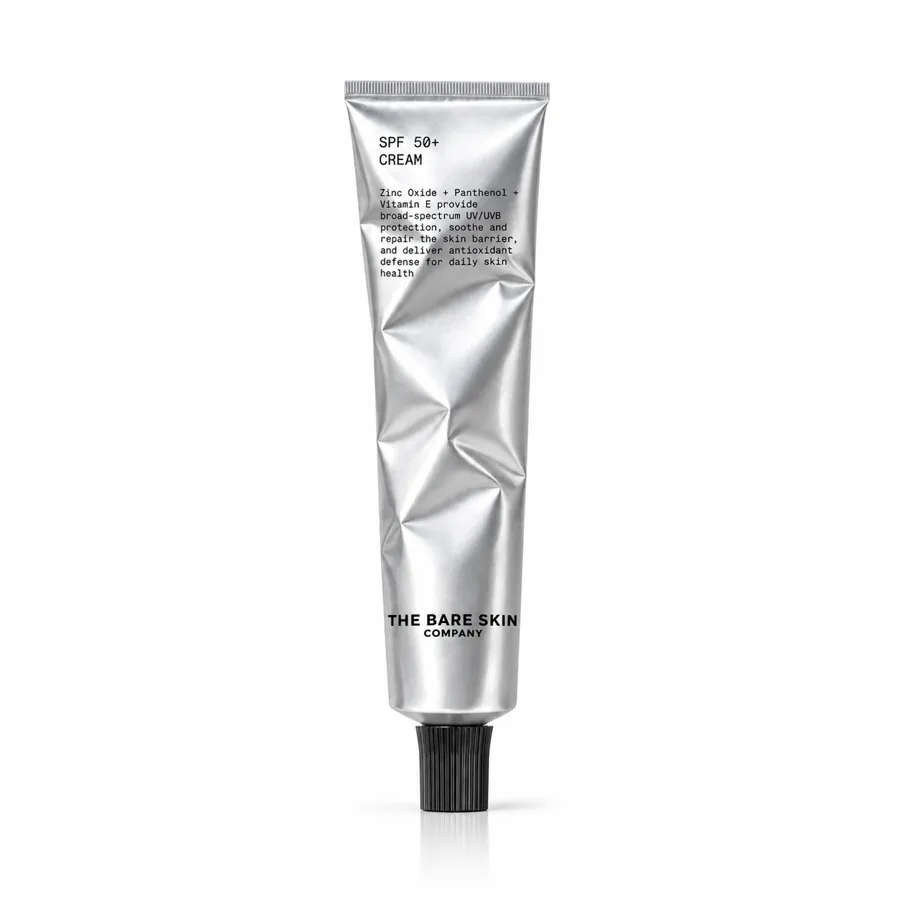
- Zinc oxide is a mineral that is often used in sunscreens and soothing creams. It is generally well tolerated by blemish-prone skin.
Introduce one new active product at a time. Wait about two weeks before you add the next one. This way, you can see how your skin reacts.
Moisturise and protect every day
Oily skin still needs moisture. When the skin is dehydrated, it can feel tight and look dull, and blemish-fighting ingredients may feel harsher. A light, non-comedogenic moisturiser helps keep the barrier comfortable.
In the morning, finish with a broad-spectrum sunscreen. Sun exposure can make the marks left by old breakouts look darker and last longer. Many people with blemish-prone skin prefer light fluids or mineral formulas with zinc oxide. Apply enough product and reapply when you spend a long time outdoors.
Habits that support clearer-looking skin
Small daily habits can support your routine.
- Do not squeeze or pick at spots. This can lead to marks that stay longer than the spot itself.
- Change your pillowcase regularly.
- Clean your phone screen and make-up brushes.
- Choose make-up and sunscreen labelled non-comedogenic.
Give your routine at least six to eight weeks. Skin renews itself slowly, and visible changes take time.
If your breakouts are painful, deep, widespread or leave scars, please see a dermatologist or ask a pharmacist for advice. Persistent or severe acne needs professional care.
Your routine, step by step
Cleanse
Wash your face morning and evening with a mild, non-drying cleanser.
Target
In the evening, apply a serum with salicylic acid or niacinamide to the whole face, or a sulfur product to blemish-prone areas.
Moisturise
Use a light, non-comedogenic moisturiser to keep the skin barrier comfortable.
Protect
Every morning, finish with a broad-spectrum sunscreen suitable for blemish-prone skin.
Frequently asked questions
Can I use salicylic acid and niacinamide together?
Yes, these two ingredients are usually well tolerated together. You can use them in separate steps or in one product. If your skin feels irritated, use them at different times of day.
Should I stop moisturising if my skin is oily?
No. Skipping moisturiser can leave your skin dehydrated and uncomfortable. Choose a light, non-comedogenic texture instead of a rich cream.
How long does it take to see results?
Most people need six to eight weeks of consistent use to see a visible difference. If you see no improvement after three months, or if your skin gets worse, speak to a dermatologist.
This article provides general information about cosmetic skin care. It does not replace advice from a doctor, dermatologist or pharmacist. If symptoms are severe, painful or persistent, please seek professional advice. Always follow the directions on the individual product.