
Your skin barrier, explained
Your skin barrier is the outermost layer of your skin. It is very thin, but it has an important job. It keeps water inside the skin and helps keep irritants, pollution and microbes outside.
When the barrier is healthy, your skin feels soft, smooth and comfortable. When it is weakened, the skin can feel tight, dry and sensitive. The good news is that the right care can support the barrier every day.
What the skin barrier is
Scientists often compare the skin barrier to a brick wall. The bricks are flat, dead skin cells. The mortar between them is a mix of lipids. The most important lipids are ceramides, cholesterol and fatty acids.
Together, the cells and lipids form a flexible protective layer. On top of it, a thin film of sebum and sweat helps keep the skin slightly acidic. A healthy community of microorganisms also lives on the skin and is part of its natural defence.
Signs of a weakened barrier
When the barrier is damaged, water evaporates from the skin more quickly. At the same time, irritants can reach deeper layers more easily. You may notice:
- tightness, especially after cleansing
- dryness, rough patches or flaking
- redness or a burning or stinging feeling
- products that used to feel fine suddenly sting
- skin that looks dull and feels uncomfortable
If these signs are severe, painful or do not improve, please speak to a dermatologist or pharmacist. Conditions such as eczema need professional advice.
What can weaken the barrier
Many everyday factors can stress the barrier:
- cleansing too often or with harsh, foaming cleansers
- very hot water
- over-exfoliating with scrubs or strong acids
- using too many active ingredients at the same time
- cold air, wind and dry indoor heating
- too much sun without protection
Often, the barrier becomes weak because of several small things together. For this reason, a calm and simple routine is usually the best first step.
Ingredients that support the barrier
Some ingredients are especially helpful for barrier care:
- Ceramides: these lipids are a natural part of the barrier. Skincare with ceramides helps replenish them and keep the skin smooth.
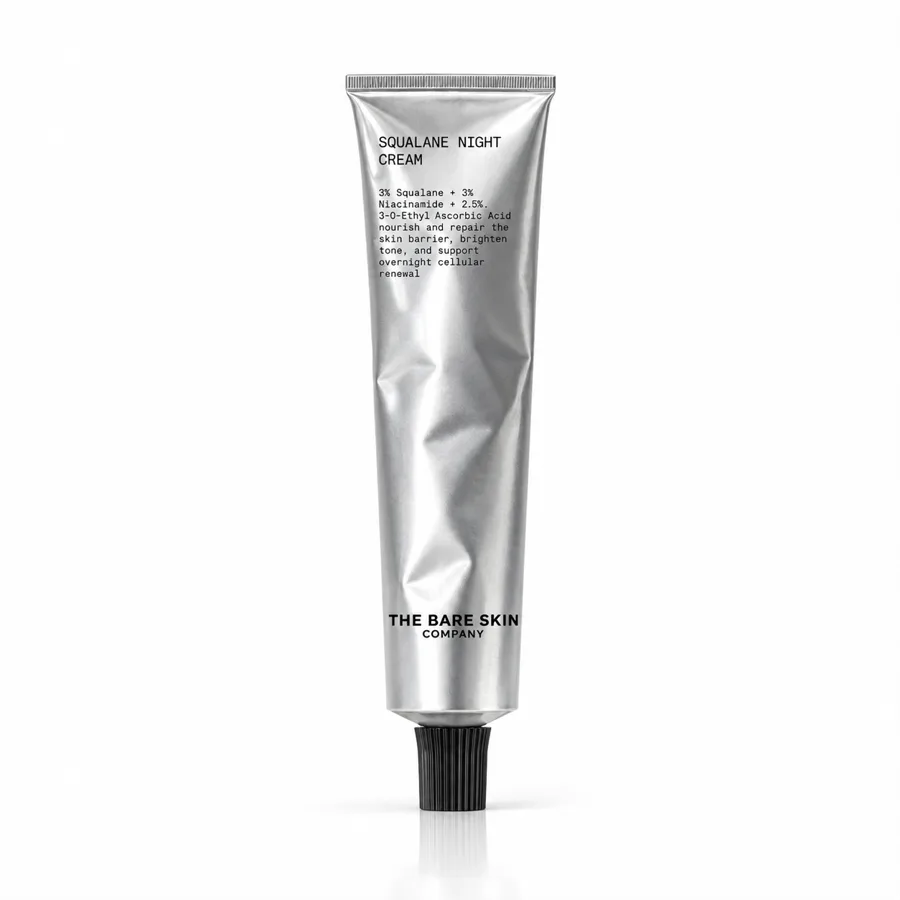
- Squalane: a lightweight oil that is similar to the skin's own lipids. It softens the skin and helps reduce water loss.
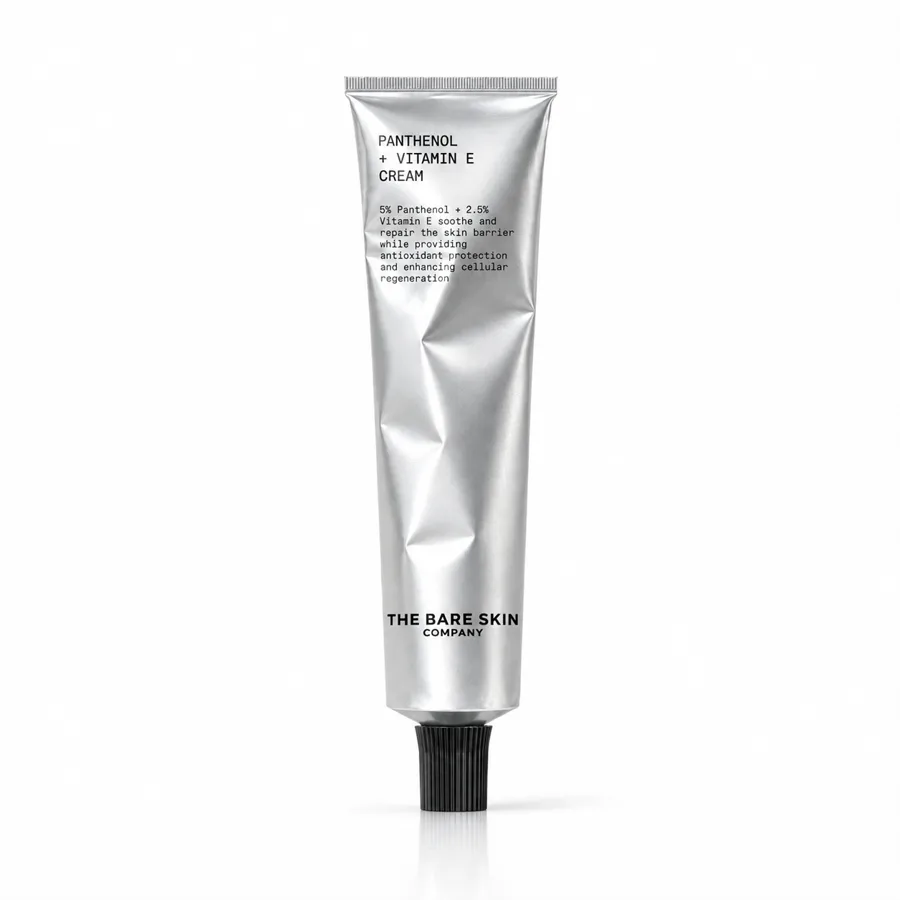
- Panthenol: provitamin B5 helps the skin hold moisture and feels soothing.
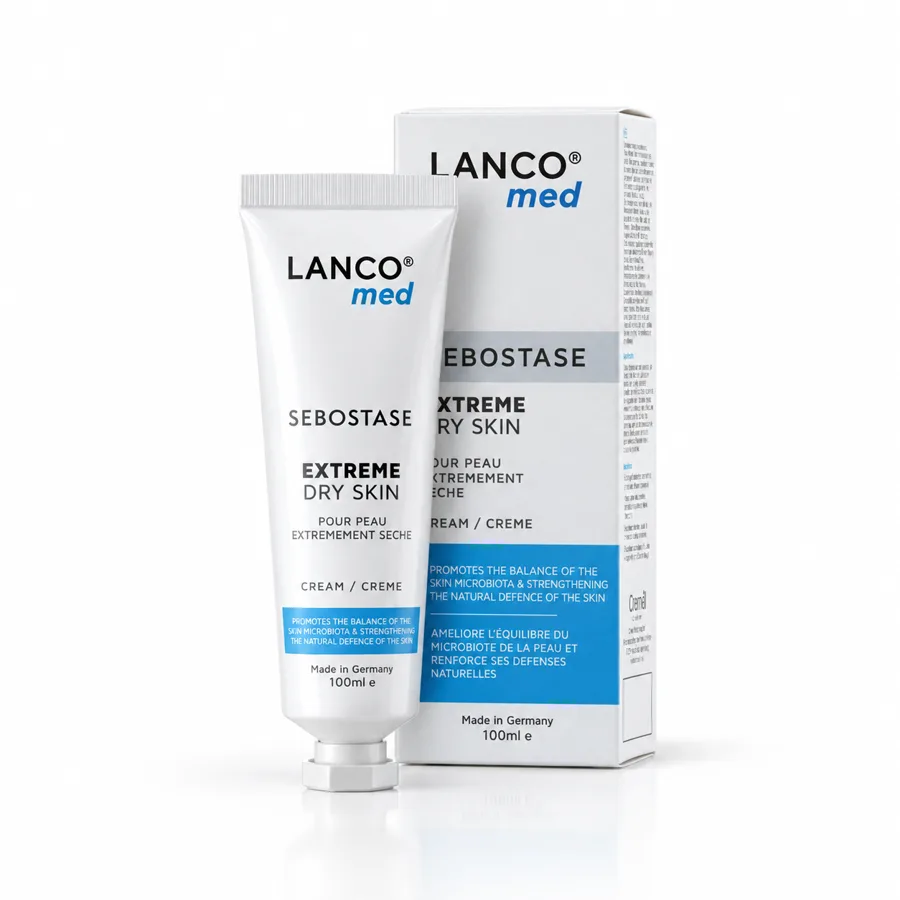
- Urea: a natural moisturising factor in the skin. It attracts water and helps soften rough, dry areas.
These ingredients work well together. A moisturiser that combines water-binding ingredients with lipids gives the barrier both moisture and protection.
How to support your barrier every day
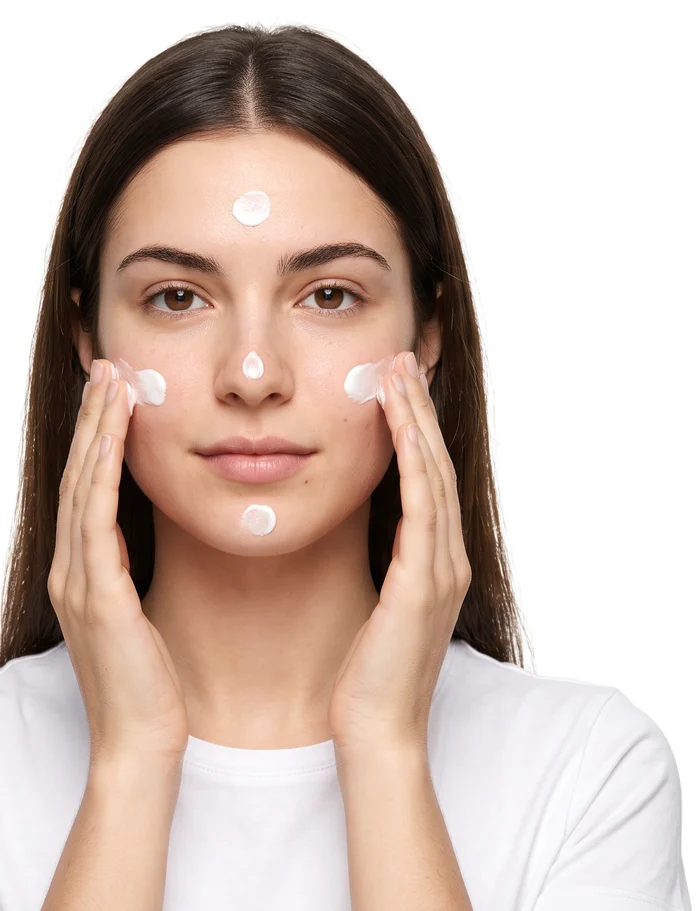
Barrier care is mostly about consistency. Cleanse gently and only as often as you need. Moisturise after cleansing, while the skin is still slightly damp. Use sunscreen every morning.
If your barrier feels weak, pause strong exfoliants and retinol for a while. Focus on a mild cleanser, a soothing serum and a nourishing cream. When your skin feels comfortable again, you can slowly bring back other products, one at a time.
The barrier through the seasons
Your barrier needs different support at different times of the year. In winter, cold air outside and dry heating inside can pull moisture from the skin. A richer cream with lipids such as ceramides or squalane can help. A humidifier in your bedroom can also be useful.
In summer, sun, heat, sweat and chlorinated water can stress the skin. Lighter textures often feel more comfortable, but the skin still needs moisture. Rinse off chlorine or salt water after swimming and apply a moisturiser.
Age and hormones also play a role. With time, the skin produces fewer lipids. For this reason, many people need richer care as they get older.
Your routine, step by step
Cleanse
Use a mild, non-stripping cleanser and lukewarm water.
Hydrate
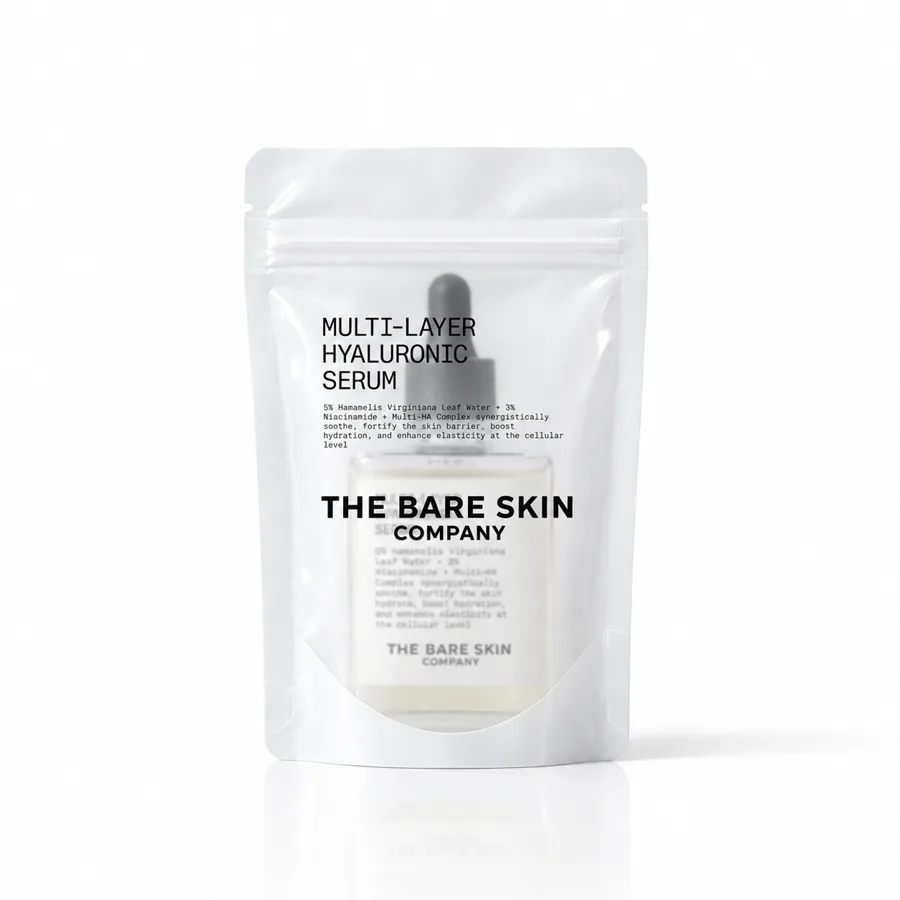
Apply a serum or essence with water-binding ingredients while the skin is still slightly damp.
Nourish
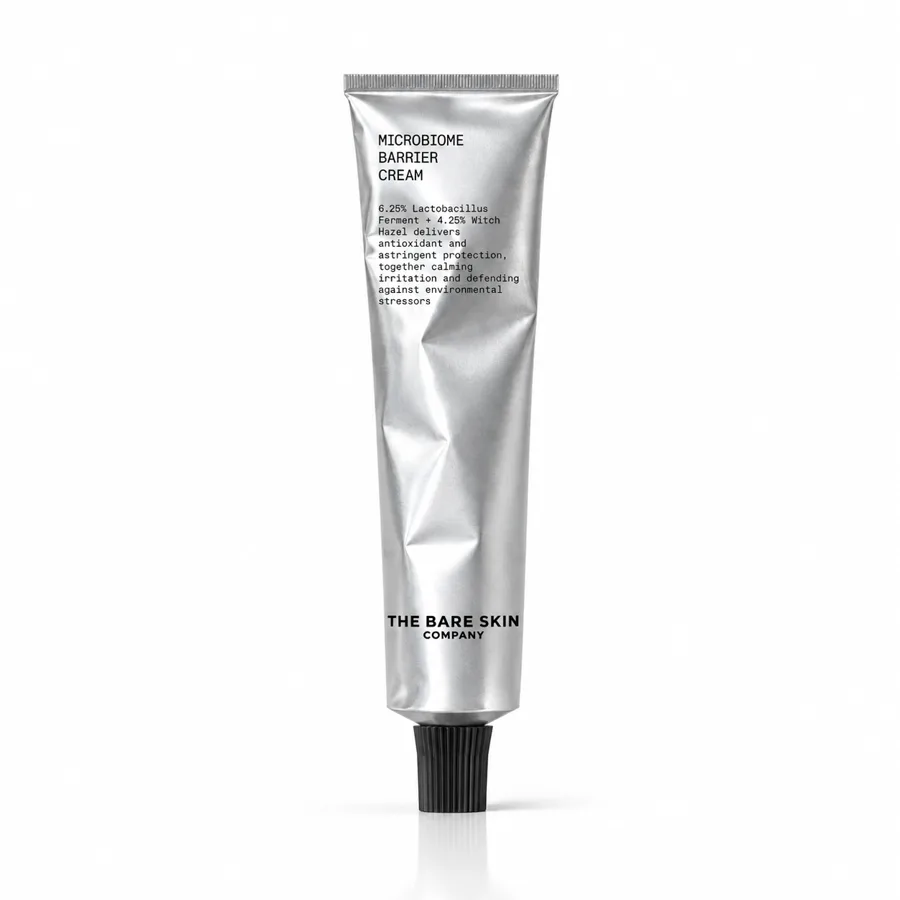
Use a moisturiser with ceramides, squalane or panthenol to support the barrier.
Protect
Finish your morning routine with a broad-spectrum sunscreen.
Frequently asked questions
How long does it take for the barrier to recover?
This depends on how stressed the skin is. With gentle care, many people feel a difference within a few weeks. Be patient and avoid adding new strong products during this time.
Can oily skin have a weak barrier?
Yes. Oily skin can still lose water and feel tight or sensitive. Lightweight moisturisers with ceramides or squalane are a good option for oily skin.
Is urea suitable for the face?
Yes, in suitable concentrations. Facial products usually use lower amounts than foot or body creams. If your skin is very sensitive, test the product on a small area first.
This article provides general information about cosmetic skin care. It does not replace advice from a doctor, dermatologist or pharmacist. If symptoms are severe, painful or persistent, please seek professional advice. Always follow the directions on the individual product.