
How to calm redness-prone skin
Many people notice that their cheeks, nose or chin turn red easily. Heat, cold wind, hot drinks, stress or a new product can all make the skin flush. For some, the redness fades quickly. For others, it stays visible for longer.
The good news is that a gentle routine can make a real difference. Calming ingredients, a strong skin barrier and a few smart habits can help redness-prone skin look and feel more comfortable.
Why skin turns red
Redness is often a sign that the skin is reacting to something. Small blood vessels near the surface widen, and more blood flows through them. This makes the skin look pink or red.
Common triggers include:
- sudden changes in temperature
- strong sun or wind
- hot showers and saunas
- spicy food, hot drinks or alcohol
- fragrance, alcohol-rich toners or harsh scrubs
- stress and lack of sleep
Redness-prone skin also often has a weaker skin barrier. When the barrier is weak, irritants can reach deeper layers more easily, and the skin reacts faster.
When to see a professional
Occasional flushing is common and usually harmless. However, some redness is linked to skin conditions such as rosacea or eczema. If your redness is persistent, burns, comes with bumps, pimples, swelling or eye irritation, or gets worse over time, please speak to a dermatologist or pharmacist.
A professional can tell you what is behind the redness. Skincare can support your skin, but it does not replace a diagnosis.
Ingredients that help calm the look of redness
Look for formulas with soothing, well-tolerated ingredients. These are some of the most useful ones:
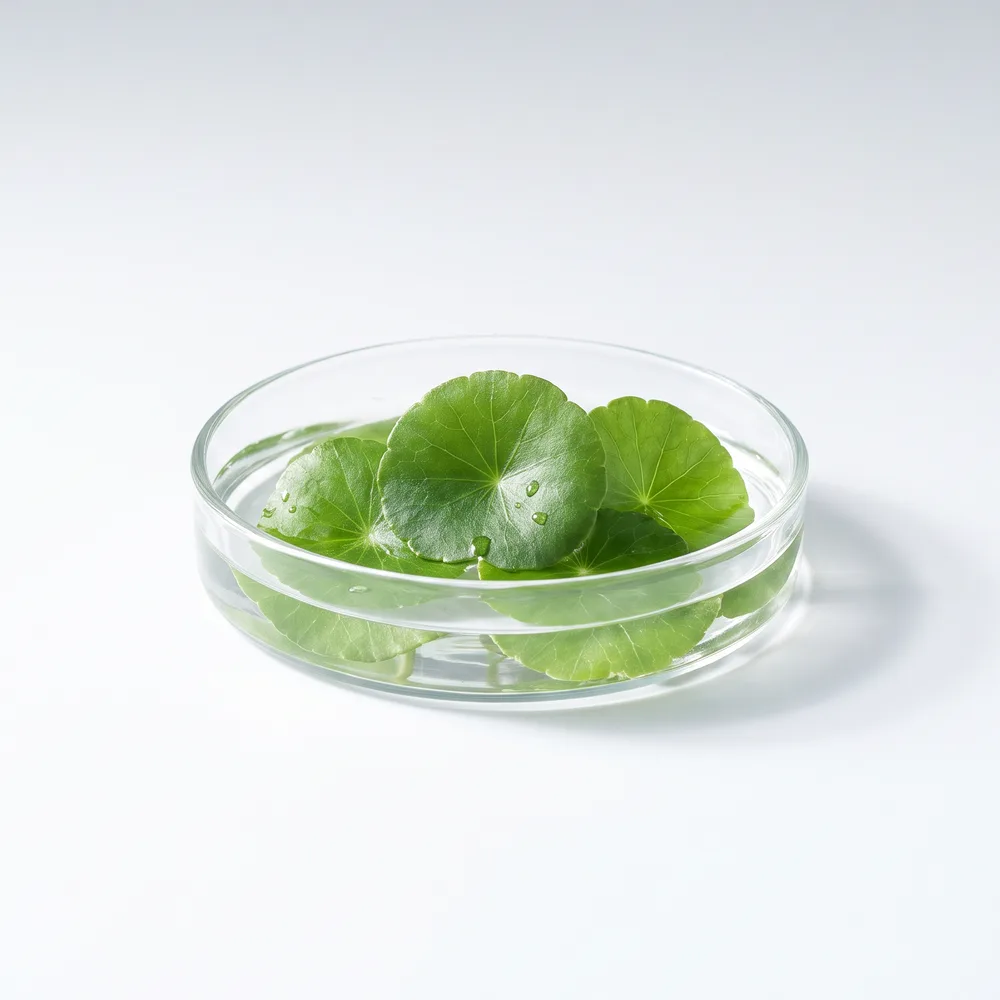
- Centella asiatica: a plant extract that is known for its calming and comforting properties. It helps the skin feel less stressed.
- Bisabolol: a calming component that is found in chamomile. It helps reduce the look of irritation.
- Allantoin: a gentle ingredient that soothes and helps keep the skin smooth and soft.
- Panthenol: also called provitamin B5. It helps the skin hold moisture and supports the barrier.
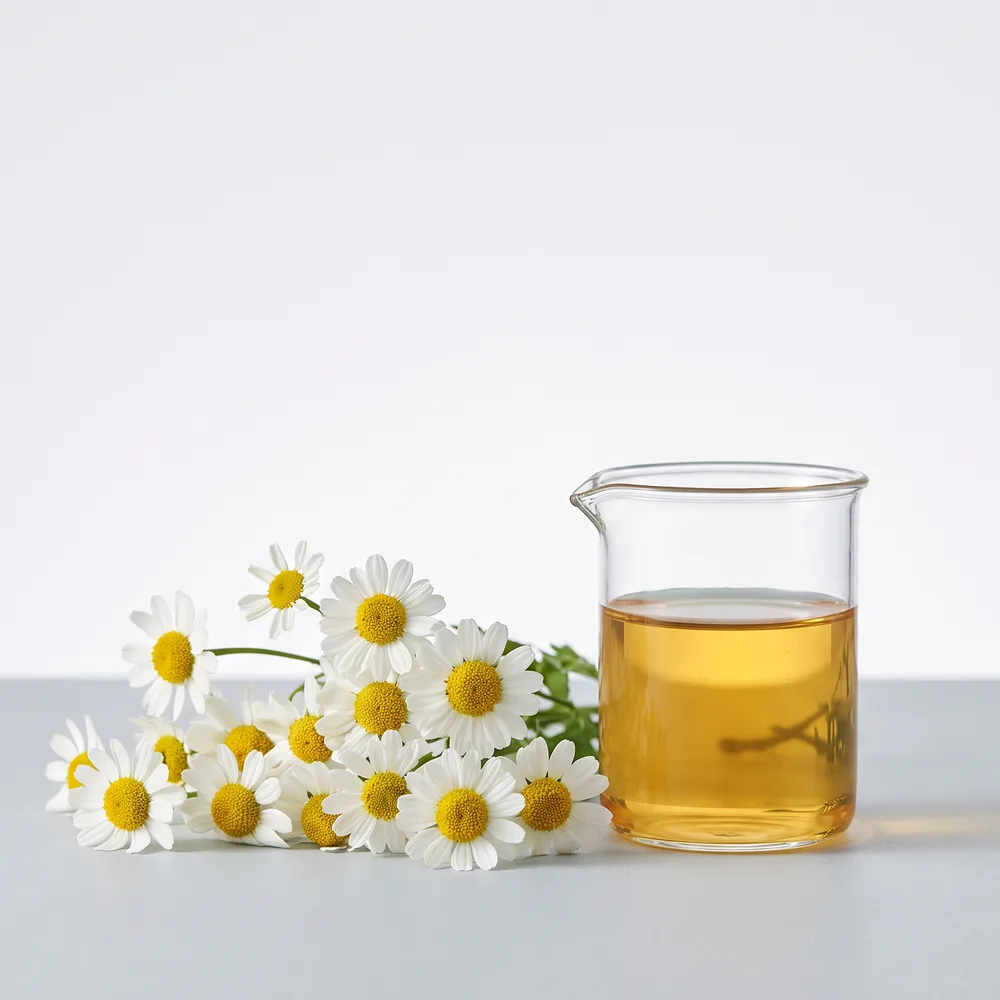
- Chamomile: a classic soothing plant extract that has been used in skincare for a long time.
It is better to use one or two calming products every day than many products at once. Fewer products also make it easier to find out what your skin does not like.
What to avoid
Some habits and ingredients can make redness worse. Try to avoid:
- products with a strong fragrance or a high amount of drying alcohol
- grainy scrubs and cleansing brushes
- very hot water when you wash your face
- rubbing your skin dry with a towel
- starting several new products in the same week
Strong actives such as high-strength acids or retinol can also irritate redness-prone skin. If you want to use them, start slowly, use a low strength and stop if your skin stings or turns red.
Smart daily habits
Small changes can help a lot. Wash your face with lukewarm water. Pat your skin dry gently. Always test a new product on a small area, for example behind the ear or along the jawline, for a few days before you use it on your whole face.
Protect your skin from the sun every day, also in winter. UV light is a common trigger for redness. In cold, windy weather, a richer cream and a scarf can protect your cheeks. You may also find it helpful to note your personal triggers in a simple diary.
Be patient with new products
Redness-prone skin often needs more time to get used to a new product. Introduce only one new product at a time. Use it for about two weeks before you add the next one. This makes it easy to see which product suits your skin.
A short, stable routine is usually kinder to reactive skin than frequent changes. When you find products that your skin tolerates well, keep using them. Change your routine mainly when the season changes, for example with a richer cream in winter and a lighter texture in summer.
Remember that calm skin is a long-term goal. Small, consistent steps often bring the best results.
Your routine, step by step
Cleanse
Use a mild, fragrance-free cleanser with lukewarm water. Pat your skin dry gently.
Soothe
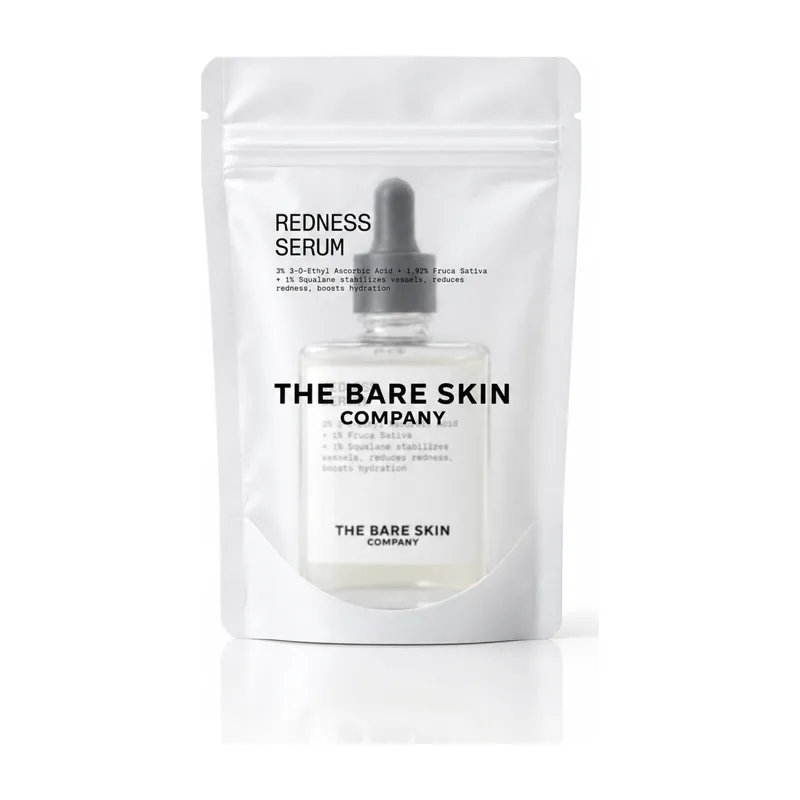
Apply a calming serum with ingredients such as centella asiatica or panthenol.
Moisturise
Use a moisturiser that supports the skin barrier and keeps the skin comfortable.
Protect
In the morning, finish with a broad-spectrum sunscreen of at least SPF 30.
Frequently asked questions
Can I use makeup on redness-prone skin?
Yes. Choose products that are fragrance-free and suitable for sensitive skin. A green-tinted primer can help neutralise the look of redness. Remove makeup gently every evening.
How long does it take for skin to look calmer?
Many people notice that their skin feels more comfortable within a few weeks of a gentle routine. Visible changes often take longer. Be patient and keep your routine consistent.
Is redness-prone skin the same as rosacea?
Not always. Many people have skin that flushes easily but do not have rosacea. If redness is persistent or comes with bumps or burning, a dermatologist can tell you more.
This article provides general information about cosmetic skin care. It does not replace advice from a doctor, dermatologist or pharmacist. If symptoms are severe, painful or persistent, please seek professional advice. Always follow the directions on the individual product.