
Peptides explained: what they can and cannot do
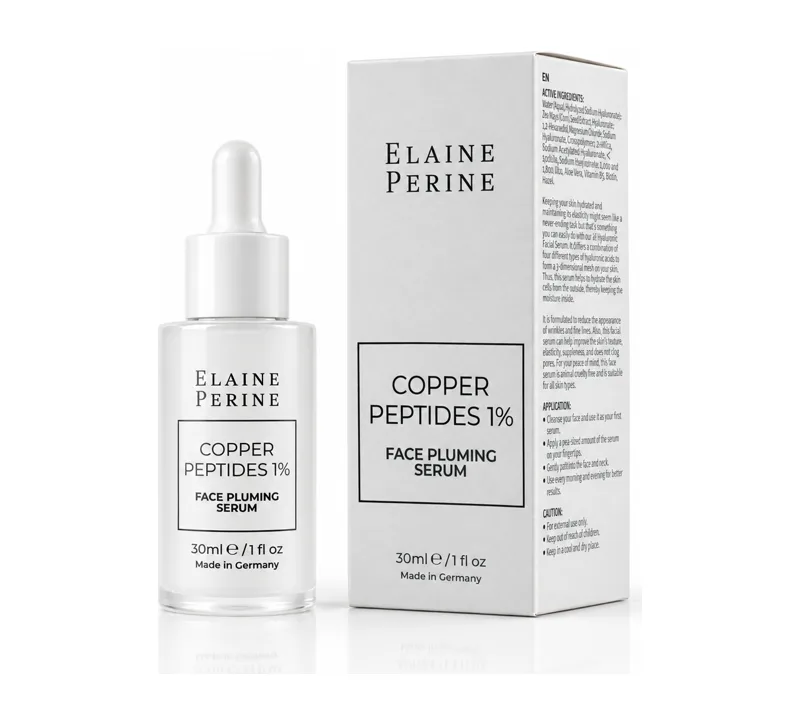
Peptides appear on many serum and cream labels. They are often described as messengers for the skin. But what does that mean, and what can you realistically expect?
This guide explains what peptides are, which types you will find in skincare and how to combine them with other ingredients for smoother, firmer-looking skin.
What peptides are
Proteins such as collagen and elastin give the skin structure and elasticity. They are made of long chains of amino acids. Peptides are much shorter chains of the same building blocks.
In skincare, peptides are designed to send signals to the skin or to support its natural functions. Because they are small, they can be formulated in light serums as well as rich creams. They are generally very well tolerated.
Types of peptides in skincare
There are many peptides, and each has its own role. They are often grouped like this:
- Signal peptides are designed to support the skin’s own production of structural proteins. This can help the skin look firmer over time.
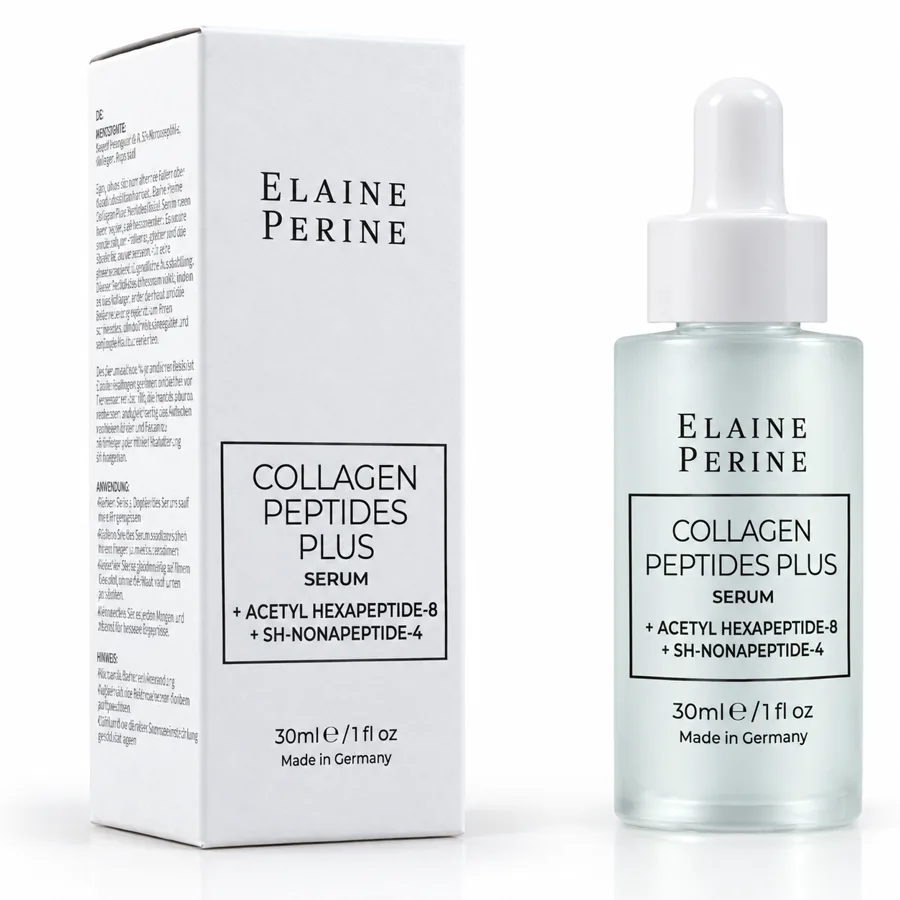
- Neurotransmitter-inhibiting peptides, such as acetyl hexapeptide-8, may help soften the look of expression lines. Their effect is much milder than cosmetic injections.
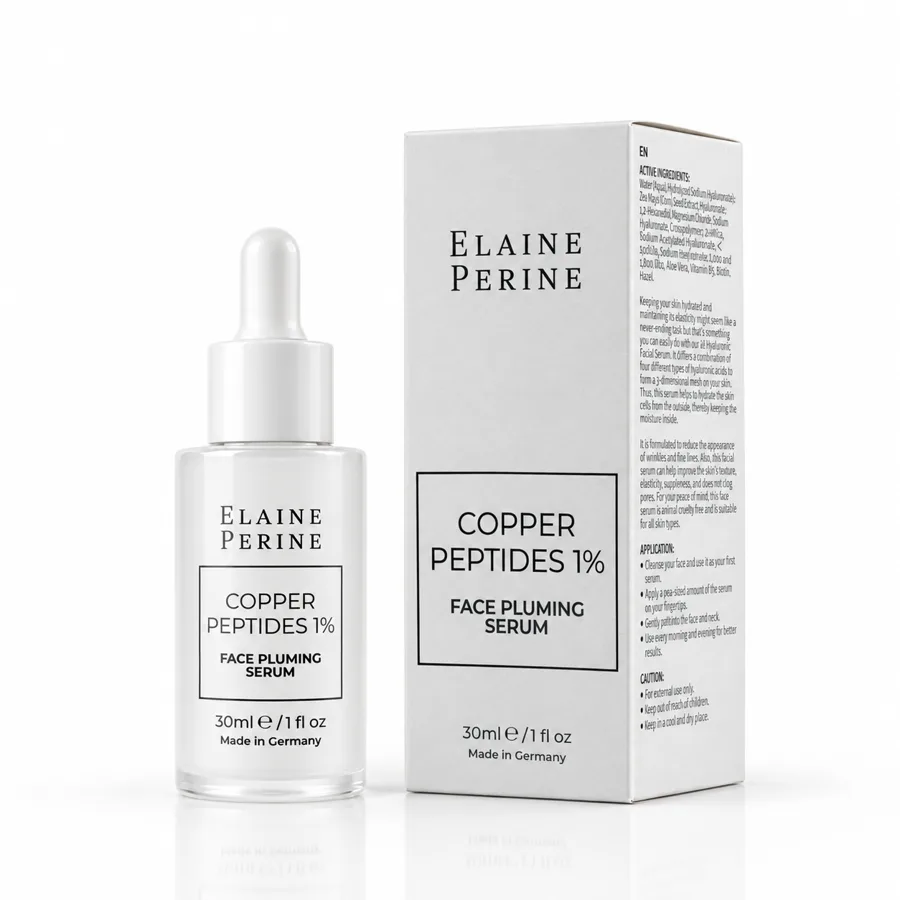
- Carrier peptides, such as copper peptides, help deliver trace elements to the skin and support a smoother appearance.
Many products combine several peptides. This allows them to support the skin in different ways.
What peptides can do
With regular use, peptides can help the skin look smoother, firmer and more supple. Fine lines may look less visible, and the skin can feel more resilient.
Peptides are a good choice if your skin does not tolerate stronger ingredients well. They do not usually cause dryness or peeling. This makes them easy to use in the morning and in the evening, and around the eyes.
What peptides cannot do
It is important to keep expectations realistic.
- Peptides cannot replace cosmetic treatments such as injections or fillers.
- They cannot remove deep wrinkles or sagging.
- They work gradually. Visible changes usually take several weeks.
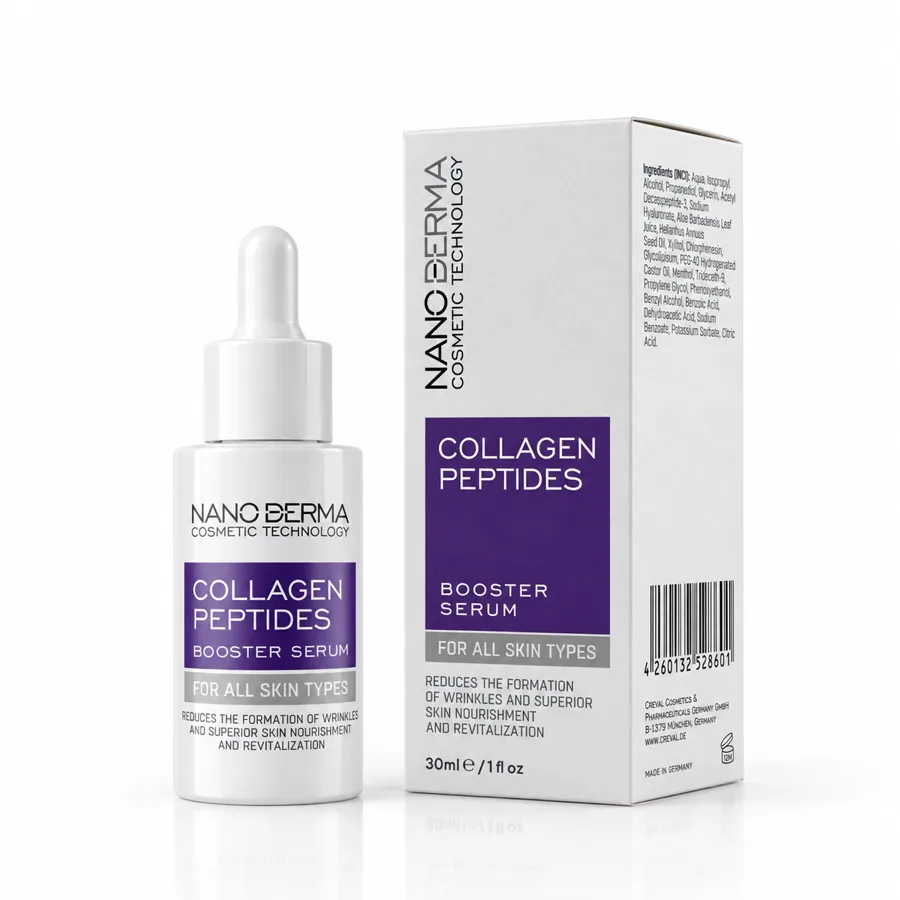
Collagen in skincare is also often misunderstood. Collagen molecules applied to the skin are too large to become part of the skin’s own collagen. However, they are good at holding water on the surface, so the skin feels smoother and more hydrated.
How to combine peptides
Peptides are easy to combine with most other ingredients.
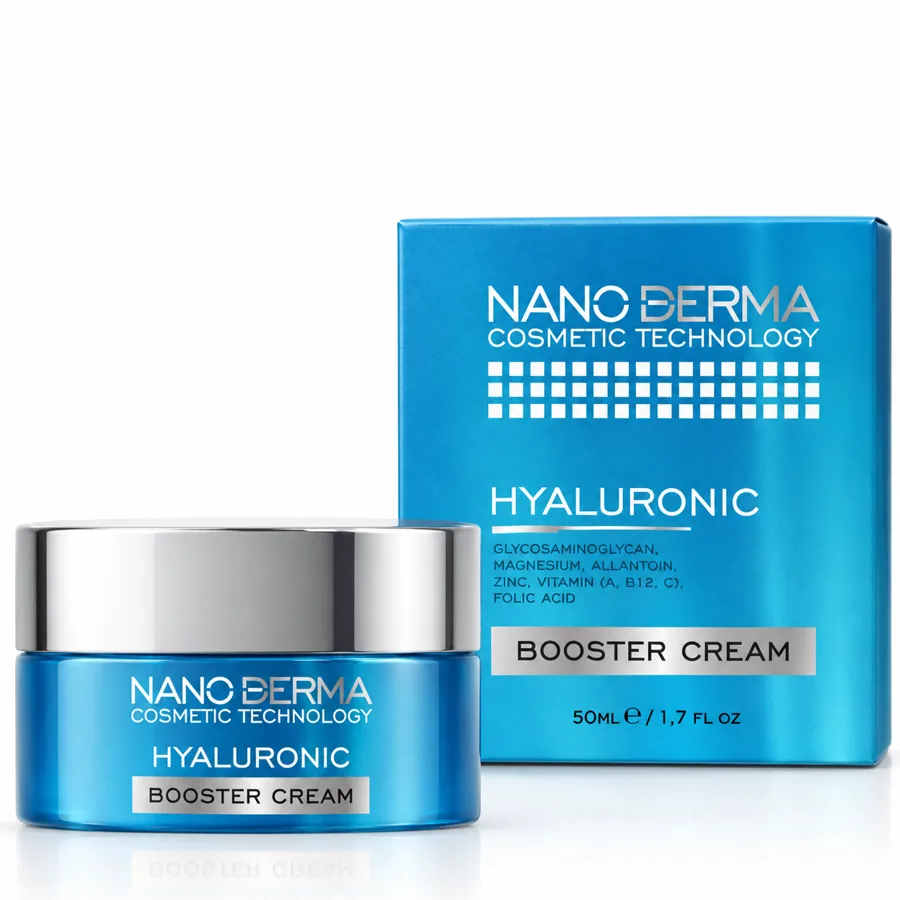
- Hyaluronic acid binds water and helps the skin look plump. It works well in the same routine as peptides.
- Coenzyme Q10 is an antioxidant that helps protect the skin from environmental stress.
- Retinol and peptides can be used in the same evening routine. Peptides are a gentle partner for this stronger ingredient.
Always finish your morning routine with a broad-spectrum sunscreen. UV exposure is one of the main reasons skin loses firmness over time. Without sun protection, any anti-ageing product has a much harder job.
Choosing a peptide product
Peptides are found in serums, creams and eye care. The best choice depends on your skin type and your routine.
- Serums are light and can be layered under a moisturiser. They suit most skin types.
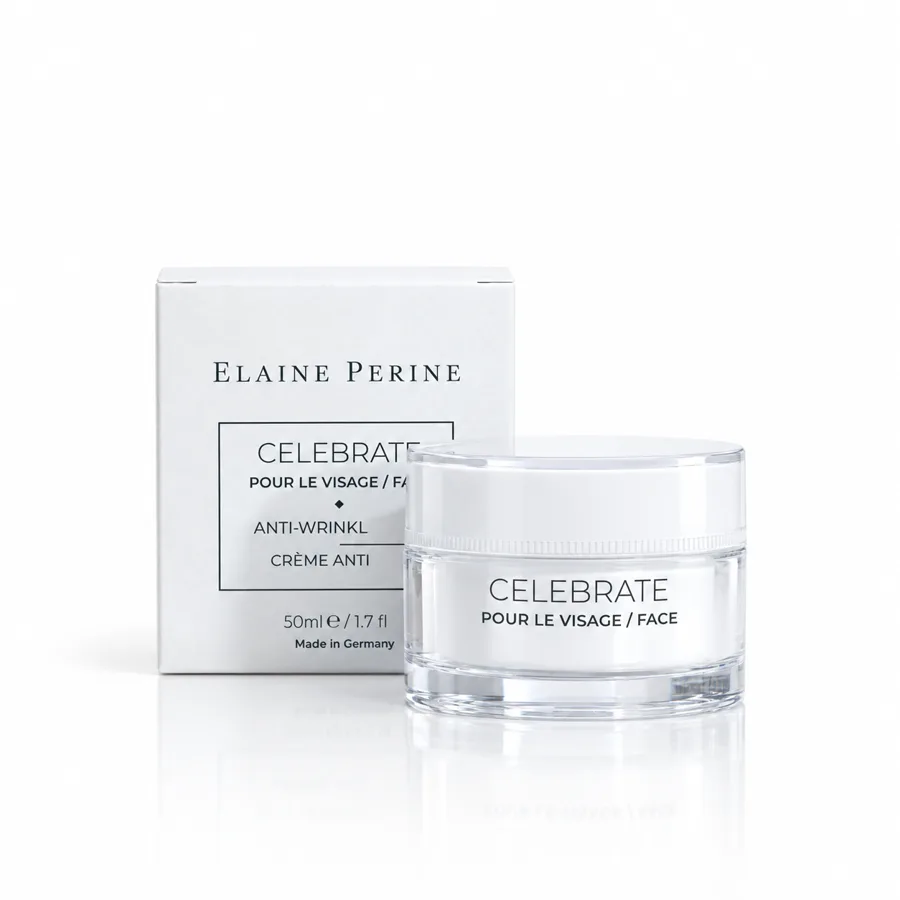
- Creams combine peptides with moisturising ingredients. They are a good choice for dry or mature skin.
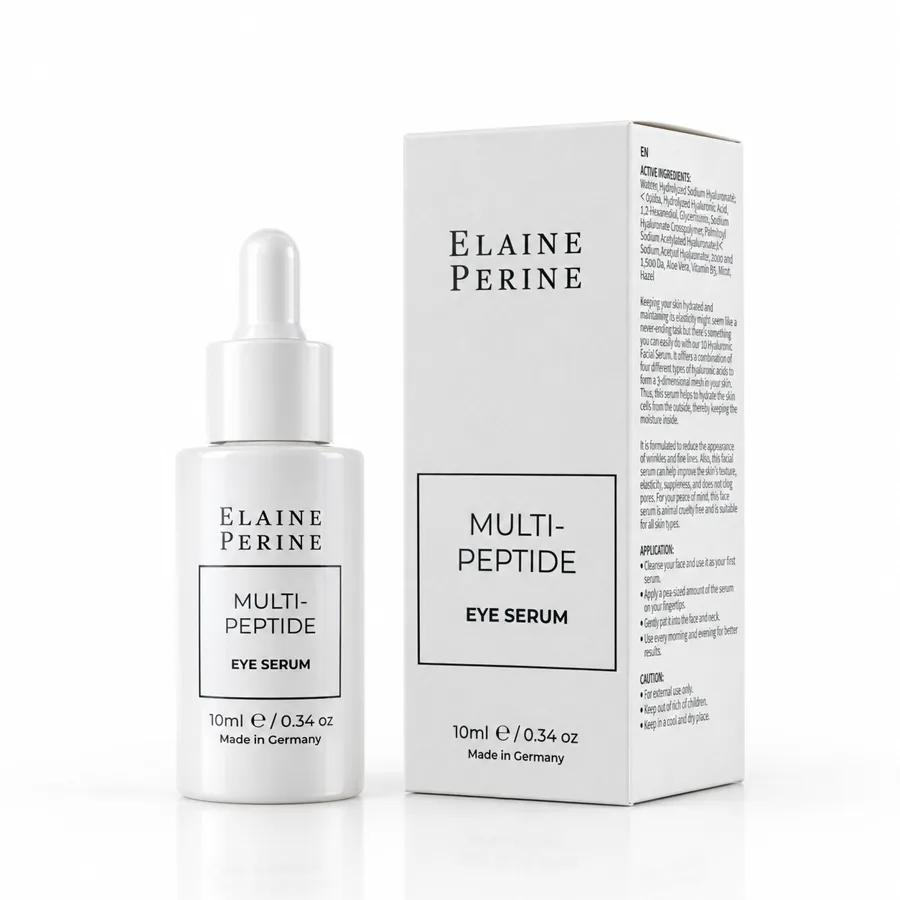
- Eye serums and creams are formulated for the delicate skin around the eyes.
Look for products where peptides are combined with hydrating ingredients and antioxidants. Apply them to clean skin, morning and evening. Peptides are not sensitive to light, so you can use them at any time of day. Keep the product closed and store it as described on the packaging.
Your routine, step by step
Cleanse
Start with a mild cleanser to prepare the skin.
Serum
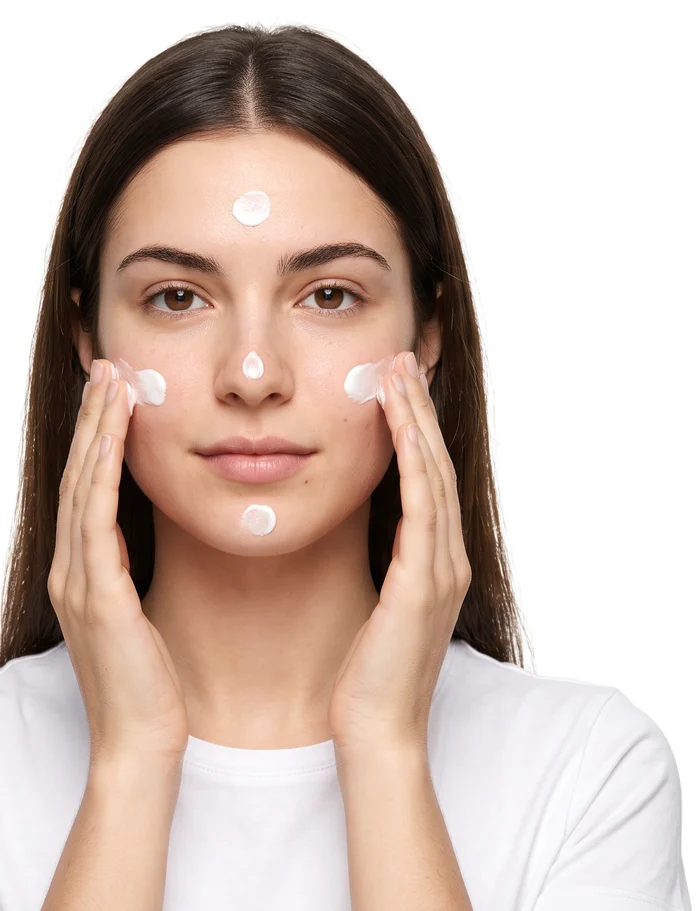
Apply a peptide serum to the face and neck, and a peptide eye serum around the eyes if you like.
Hydrate
Follow with a moisturiser that contains hyaluronic acid or collagen.
Protect
In the morning, finish with a broad-spectrum sunscreen.
Frequently asked questions
Are peptides suitable for sensitive skin?
Peptides are generally well tolerated, also by sensitive skin. As with any new product, test it on a small area first. If irritation occurs, stop using it.
Can I use peptides with vitamin C?
In most modern formulas, yes. Some people prefer to use vitamin C in the morning and peptides in the evening. Both approaches are fine.
How long does it take to see results with peptides?
Most people need at least four to eight weeks of daily use. Results are subtle and gradual. Consistent use and daily sun protection give the best results.
This article provides general information about cosmetic skin care. It does not replace advice from a doctor, dermatologist or pharmacist. If symptoms are severe, painful or persistent, please seek professional advice. Always follow the directions on the individual product.