
Retinol for beginners: how to start without irritation
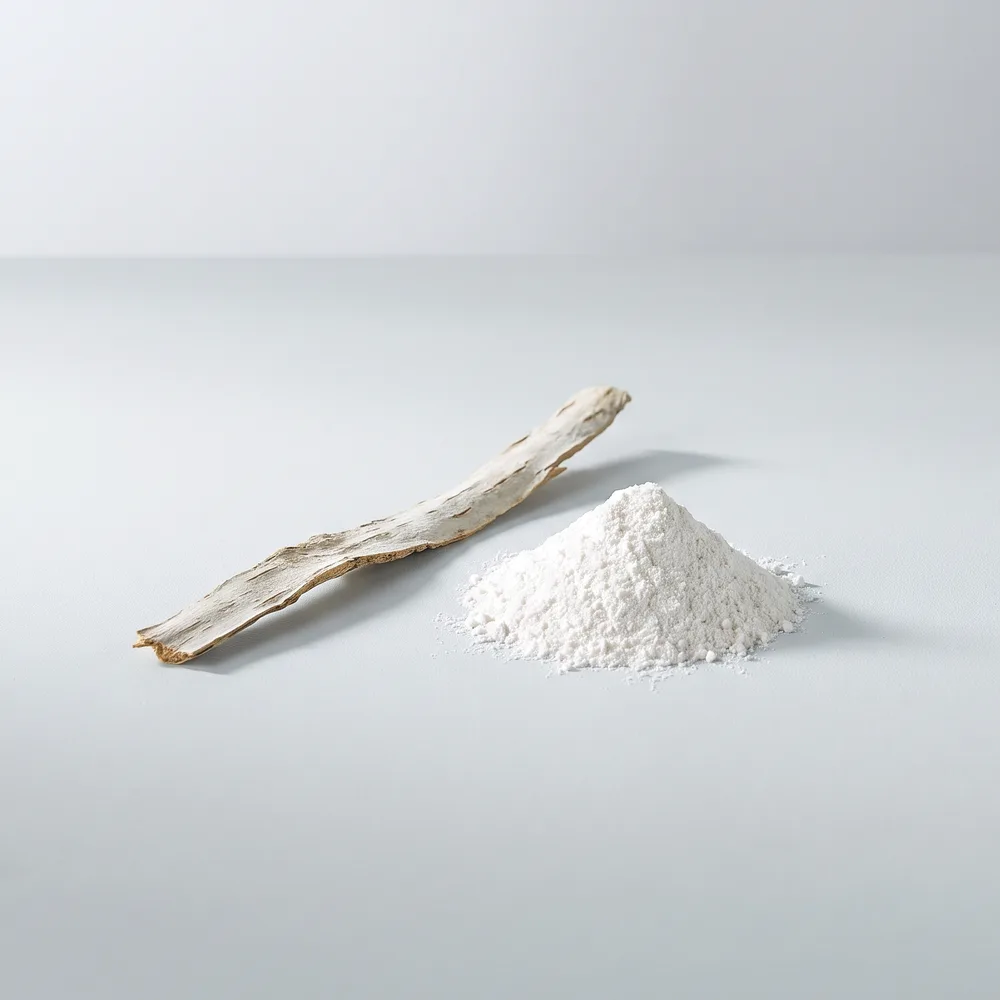
Retinol is a form of vitamin A. It is one of the most researched ingredients in cosmetic skincare. It can help the skin look smoother, more even and more refined.
Retinol is also known for causing dryness or redness at the start. This does not have to happen. With a slow start and good supporting care, most skin types can get used to it.
What retinol does in the skin
In the skin, retinol is converted into retinoic acid, the active form of vitamin A. This form supports the natural renewal of skin cells. Over time, the skin can look smoother, fine lines can look less visible and the complexion can look more even.
Retinol works slowly. Most people need several weeks before they see a difference. For this reason, consistency matters more than strength.
Why retinol can irritate at first
When you begin, your skin needs time to adjust. During the first weeks, you may notice:
- dryness or tightness
- light flaking, often around the nose and mouth
- redness or a mild stinging feeling
This phase is often called the adjustment period. It usually settles within a few weeks. If irritation is strong or does not improve, use the product less often or stop and seek advice.
How to start step by step
A slow, structured start is the best way to avoid irritation.
- Weeks 1–2: Use retinol two evenings a week.
- Weeks 3–4: If your skin feels comfortable, use it every second or third evening.
- After that: Increase to most evenings, if your skin tolerates it.
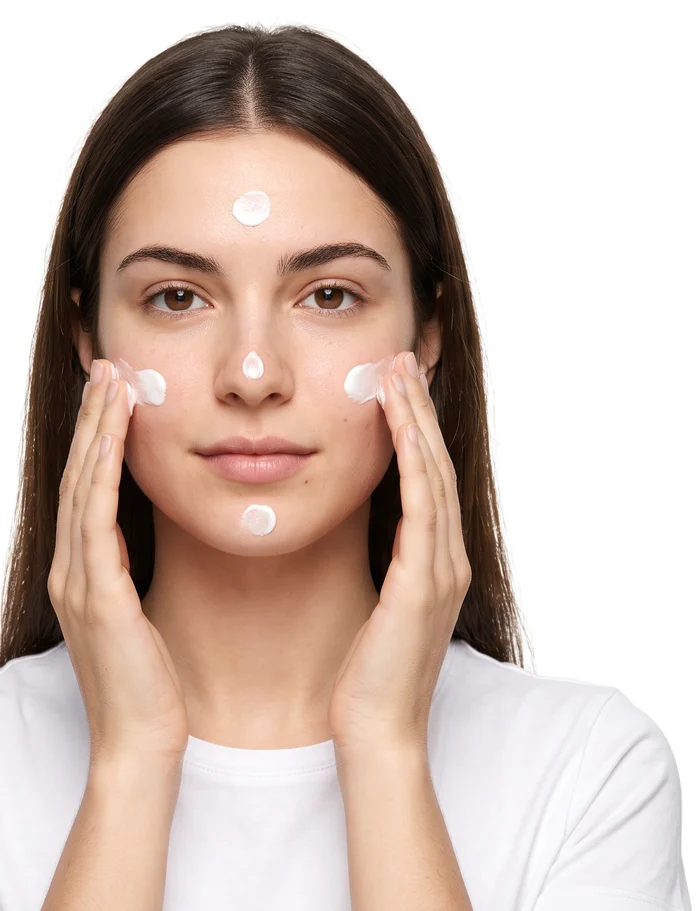
Apply retinol to clean, completely dry skin. Damp skin can increase irritation. Use about a pea-sized amount for the whole face. Keep it away from the corners of the eyes, nostrils and lips.
If your skin is very sensitive, try the buffer method. Apply your moisturiser first, then the retinol on top. This can make the experience gentler.
Supporting ingredients
Retinol works best when the skin barrier is strong. Supporting ingredients help keep the skin comfortable.
- Ceramides are lipids that are naturally part of the skin barrier. They help the skin keep moisture.
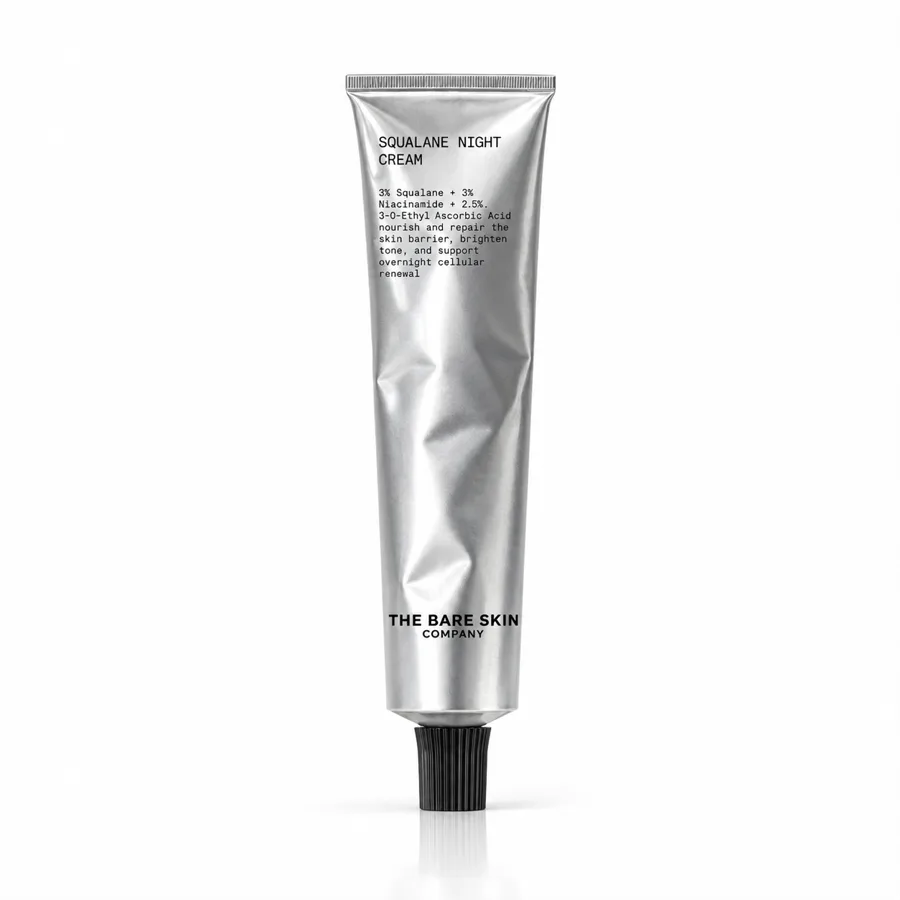
- Squalane is a light, non-greasy oil that softens the skin and reduces the feeling of tightness.
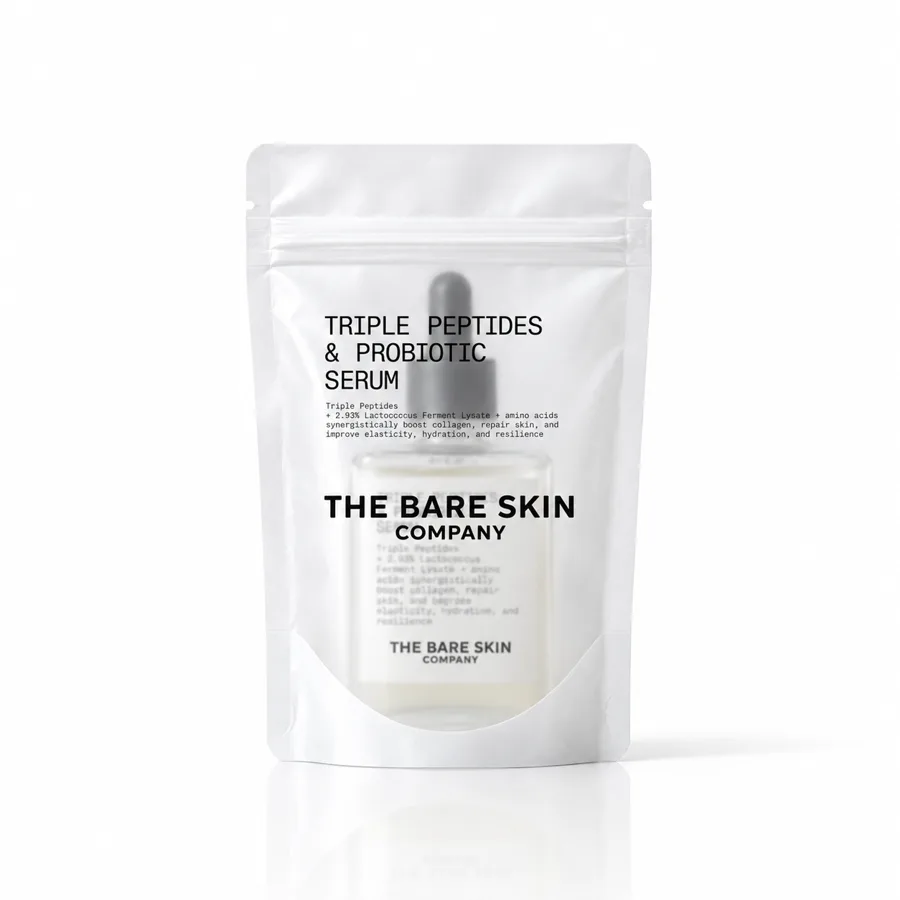
- Peptides are short chains of amino acids. They can help the skin look firmer and smoother and are generally well tolerated.
On evenings without retinol, focus on these soothing and moisturising products. Avoid using strong exfoliating acids on the same evening as retinol when you are new to it.
Sun protection and other precautions
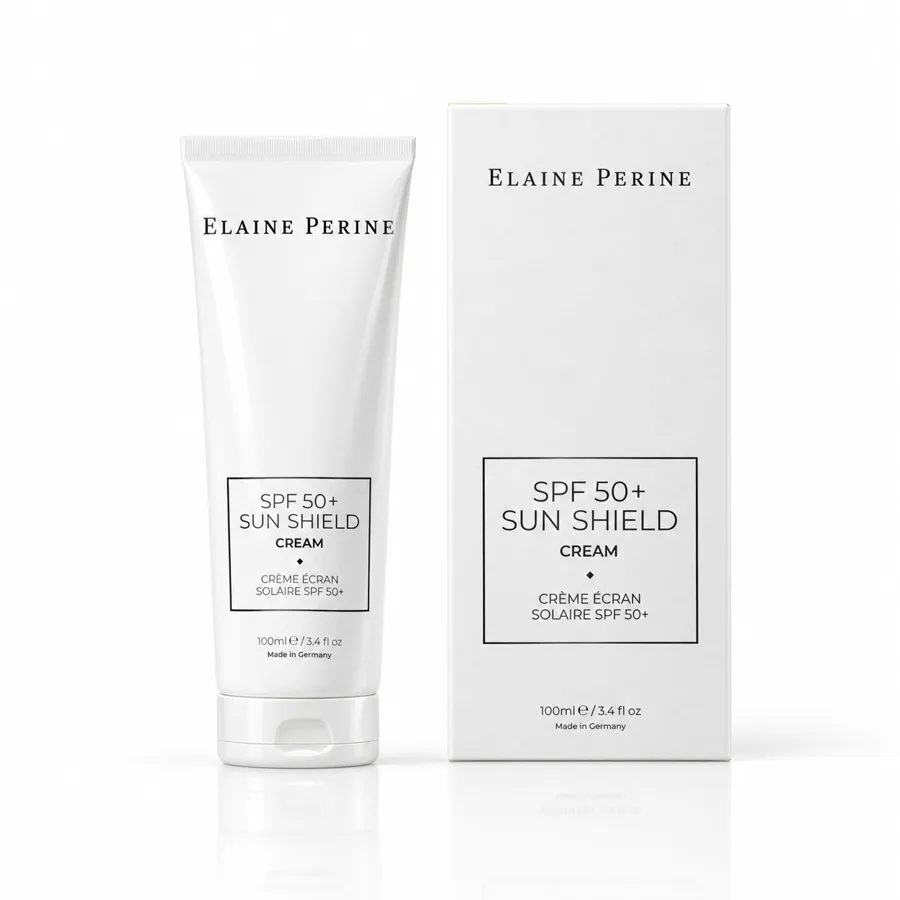
Retinol can make the skin more sensitive to the sun. Apply a broad-spectrum sunscreen every morning, even on cloudy days. Remember that SPF mainly relates to UVB protection, so look for good UVA protection too. Reapply when you stay outside for a long time.
Do not use retinol if you are pregnant, trying to become pregnant or breastfeeding, unless your doctor advises otherwise. Do not use it on broken or irritated skin. If you have a skin condition such as rosacea or eczema, ask a dermatologist before you start.
Realistic expectations
Retinol is not a quick fix. During the first weeks, your skin is mainly adjusting. Visible changes in texture and radiance usually appear after two to three months of regular use. Changes in the look of fine lines can take longer.
You do not need the highest strength to see benefits. A lower concentration used consistently is often better than a strong product you can only tolerate once a week. When your skin is used to your current product and feels comfortable, you can consider a stronger formula.
Keep a simple routine while you start. Fewer products make it easier to see what works and what irritates your skin.
Your routine, step by step
Cleanse
In the evening, wash your face with a mild cleanser and let it dry completely.
Apply retinol
Smooth a pea-sized amount over the face, avoiding the eyes, nostrils and lips.
Moisturise
Follow with a cream containing ceramides, squalane or peptides.
Protect
Every morning, apply a broad-spectrum sunscreen.
Frequently asked questions
Can I use retinol around my eyes?
The skin around the eyes is thin and sensitive. Many people prefer a product designed for the eye area. If you use your face serum there, apply very little and keep it away from the lash line.
Can I use retinol with vitamin C?
Yes, but many people prefer to use them at different times of day. Vitamin C fits well in the morning, and retinol in the evening. This keeps the routine simple and gentle.
What should I do if my skin peels?
Reduce how often you use retinol and add more moisture. Wait until your skin feels comfortable again before you increase the frequency. If irritation continues, stop using the product and seek advice.
This article provides general information about cosmetic skin care. It does not replace advice from a doctor, dermatologist or pharmacist. If symptoms are severe, painful or persistent, please seek professional advice. Always follow the directions on the individual product.