
Foot care: how to soften rough, cracked heels
Your feet carry you every day, but they often get little attention. The skin on the heels is thick and has no oil glands. When it dries out, it can become hard, rough and form small cracks.
Cracked heels are usually a cosmetic concern. With regular care, the skin can become noticeably softer and smoother. This guide explains why heels crack and how you can care for them at home.
Why heels become rough and cracked
The skin on the soles of the feet is much thicker than on other parts of the body. It protects you from pressure and friction. Because there are no oil glands on the soles, this skin depends on sweat and external care to stay supple.
When the skin dries out, it loses its flexibility. Every step puts pressure on the heel. Hard, dry skin cannot stretch, so small cracks can form at the edges.
Common factors include:
- Open shoes and sandals that allow the heel to spread
- Walking barefoot on hard floors
- Standing for long periods
- Dry air in winter and hot water in the shower
- Body weight and age
Some health conditions, such as diabetes or thyroid disorders, can also make the skin on the feet drier.
Ingredients that soften and protect
Good foot care combines ingredients that soften hard skin with ingredients that seal in moisture.
- Urea helps bind water in the skin. In higher amounts, often 10 % or more in foot creams, it also helps soften thickened, hard skin.
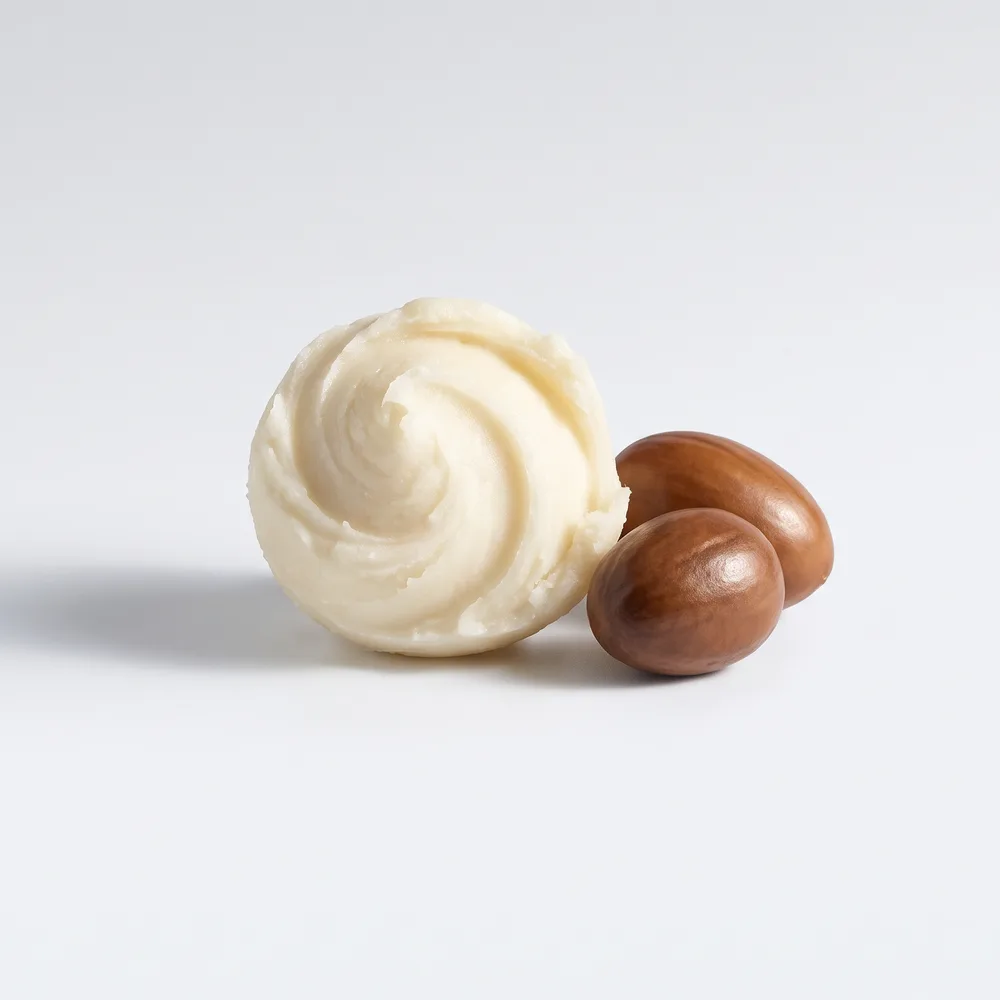
- Shea butter is rich in lipids. It helps soften the skin and forms a protective layer on the surface.
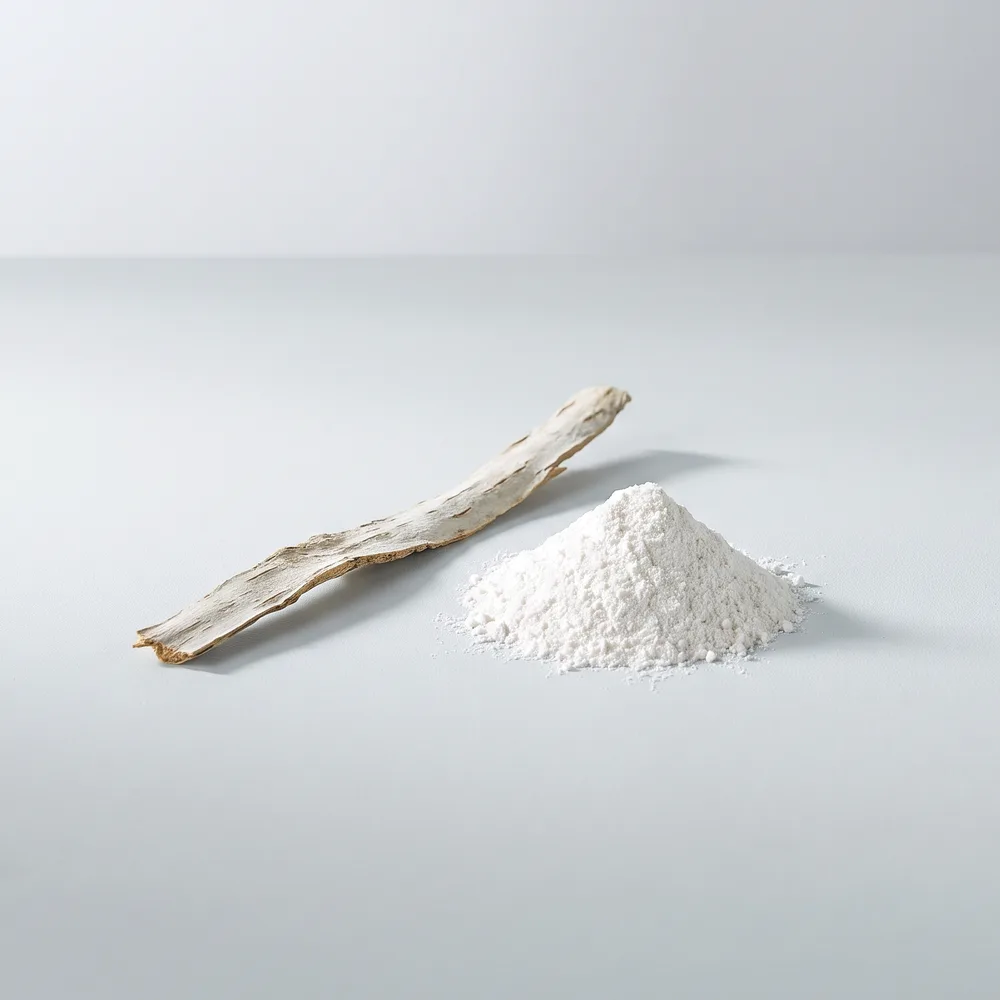
- Lanolin is a wax obtained from sheep’s wool. It is very good at reducing water loss and keeps the skin supple.
- Allantoin has a soothing effect and helps the skin feel smoother.
Foot creams are often richer than body lotions. This is normal, because the skin on the heels needs more care.
A simple weekly routine
Regular care is more effective than occasional intensive treatments. A routine of a few minutes a day is enough for most people.
After a shower or a warm foot bath, the hard skin is softer. This is a good moment to gently smooth it with a pumice stone or foot file. Work in one direction and use light pressure. Remove only a little skin at a time.
Then apply a rich foot cream to the heels, the soles and the sides of the feet. Massage it in until it is mostly absorbed. Avoid applying thick layers between the toes, because this area should stay dry.
Overnight care for very dry heels
Very dry heels often benefit from overnight care. In the evening, apply a generous layer of a rich foot cream or balm. Then put on thin cotton socks.
The socks keep the cream on the skin and protect your bed linen. In the morning, your heels usually feel softer. Repeat this a few times a week until the skin improves, then continue with daily care.
What to avoid
Some habits can make cracked heels worse or even cause injury.
- Do not cut or tear off hard skin with scissors or razor blades.
- Do not file the skin too hard or too often. The skin can react by becoming even thicker.
- Do not soak your feet in very hot water for a long time.
- Do not ignore cracks that are deep, painful, red or bleeding.
If you have diabetes or circulation problems, check your feet every day. Even small wounds need attention. Please talk to your doctor or a podiatrist before you remove hard skin yourself, and ask them for advice on suitable care.
Your routine, step by step
Soak
Soak your feet in a warm, not hot, foot bath for about ten minutes.
Smooth
Gently smooth hard skin with a pumice stone or foot file, using light pressure.
Moisturise
Massage a rich foot cream with urea into the heels and soles every day.
Protect overnight
For very dry heels, apply a thicker layer in the evening and wear cotton socks.
Frequently asked questions
How long does it take for cracked heels to improve?
With daily care, many people feel softer skin within one to two weeks. Deeper cracks can take longer. If they do not improve or become painful, see a doctor or podiatrist.
Can I use a body lotion on my feet?
A body lotion is better than nothing, but it is often too light for thick heel skin. A foot cream with urea and rich lipids usually gives better results.
Should people with diabetes care for their feet differently?
Yes. People with diabetes should check their feet every day and have them examined regularly by a doctor or podiatrist. They should not remove hard skin themselves without professional advice.
This article provides general information about cosmetic skin care. It does not replace advice from a doctor, dermatologist or pharmacist. If symptoms are severe, painful or persistent, please seek professional advice. Always follow the directions on the individual product.