
Dry, rough skin on the body: a care guide
Dry, rough skin on the body is very common. It often shows up on the shins, elbows, upper arms and hands. The skin can feel tight, look dull or flaky, and sometimes itch.
The good news is that a few simple changes can make a big difference. Gentle cleansing, the right moisturising ingredients and regular care help your skin feel smoother and more comfortable.
Why body skin becomes dry
The skin on your body has fewer oil glands than your face. On the shins and arms, there are especially few. This is one reason why these areas dry out first.
Several everyday factors can make dryness worse:
- Long, hot showers or baths
- Strong soaps and shower gels with harsh surfactants
- Cold outdoor air and dry indoor heating in winter
- Frequent swimming in chlorinated water
- Rough fabrics and tight clothing
Age also plays a role. Over the years, the skin tends to produce fewer lipids and holds water less easily. As a result, it can feel drier than before, even with the same routine.
Rough patches and small bumps
Some people notice small, rough bumps on the upper arms or thighs. These are often caused by keratin building up around the hair follicles. The skin feels like sandpaper, and the bumps can look slightly red.
In these areas, gentle chemical exfoliation is usually better than rough scrubs. Ingredients such as lactic acid and urea help loosen the build-up of dead cells. With regular use, the skin can look and feel smoother.
Scrubbing hard can irritate the skin and make redness worse. Be patient and use gentle products consistently instead.
Ingredients that help
Good body care for dry skin combines ingredients that bind water with ingredients that soften and protect.
- Urea is a natural part of the skin’s own moisturising factor. It helps the skin hold water. In higher amounts, it also helps soften rough, thickened areas.
- Lactic acid is a mild alpha hydroxy acid. It helps loosen dead skin cells and also binds moisture.
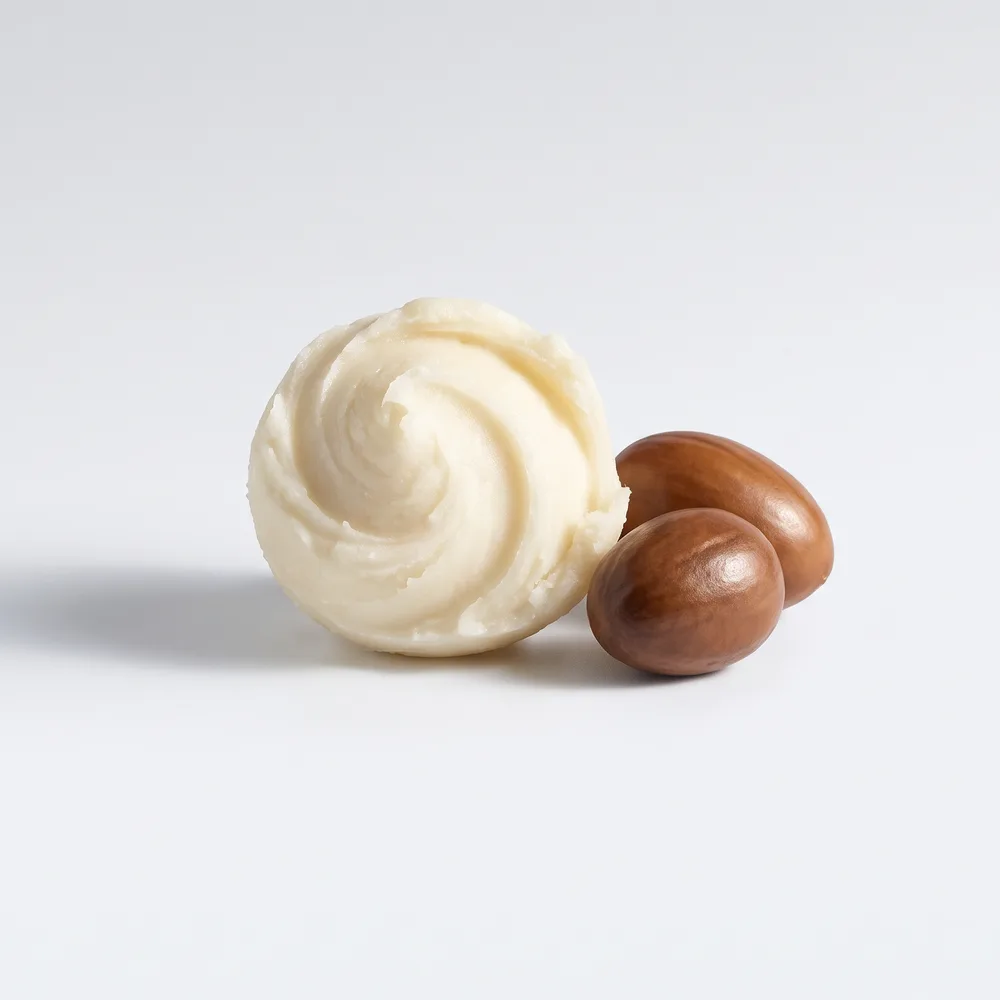
- Shea butter is a rich plant butter. It helps soften the skin and reduces water loss from the surface.
- Panthenol (pro-vitamin B5) helps keep the skin hydrated and has a soothing effect on dry, irritated areas.
For very dry skin, choose a cream or balm rather than a light lotion. Richer textures stay on the skin longer and offer more comfort.
Shower habits that make a difference
How you wash your skin is just as important as what you apply afterwards.
- Keep showers short, about five to ten minutes.
- Use lukewarm water instead of hot water.
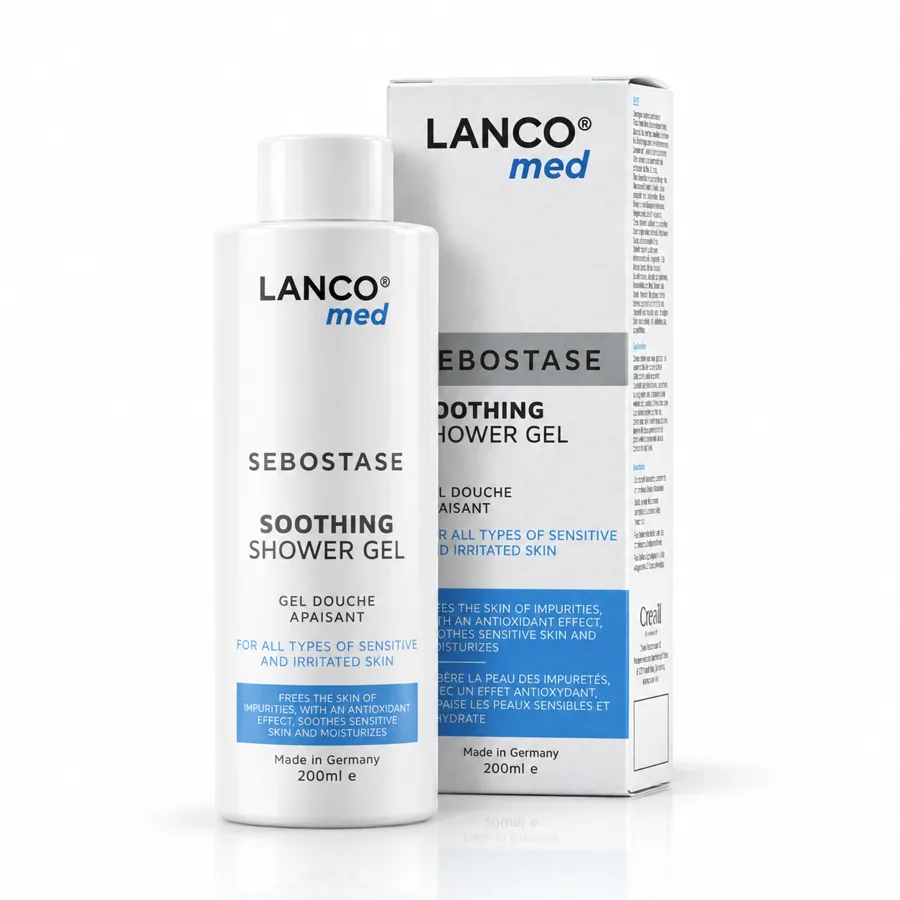
- Choose a mild, soap-free shower gel or cleansing oil.
- Wash only the areas that need it, especially if your skin is very dry.
- Pat your skin dry with a soft towel instead of rubbing.
Apply your body cream within a few minutes after showering. At this moment, your skin is still slightly damp, and the cream helps hold that water in the skin.
When to see a doctor
Dry skin is usually harmless and responds well to good care. Sometimes, however, dryness is a sign of a skin condition such as eczema or psoriasis.
Please see a dermatologist or pharmacist if:
- Your skin is very itchy, especially at night
- You see red, inflamed or weeping patches
- The skin cracks and bleeds
- Dryness does not improve after several weeks of regular care
A professional can check the cause and recommend the right care for your skin.
Your routine, step by step
Cleanse
Shower briefly with lukewarm water and a mild, soap-free shower gel.
Pat dry
Gently pat the skin with a soft towel and leave it slightly damp.
Moisturise
Apply a rich cream with urea or shea butter to the whole body, focusing on dry areas.
Smooth
Two to three times a week, use a product with lactic acid or a higher amount of urea on rough patches.
Frequently asked questions
Is urea suitable for sensitive skin?
Urea in lower amounts is usually well tolerated. On broken or very irritated skin, it can sting slightly. If this happens, use a gentler product with panthenol until the skin feels calmer.
How long does it take for rough skin to feel smoother?
Many people notice softer skin within a few days of regular care. Rough patches and small bumps usually need several weeks of consistent use.
Should I use a body scrub for dry skin?
Rough scrubs can irritate dry skin. A cream with lactic acid or urea is usually a gentler way to smooth the surface. If you like scrubs, use a fine one with light pressure and not more than once a week.
This article provides general information about cosmetic skin care. It does not replace advice from a doctor, dermatologist or pharmacist. If symptoms are severe, painful or persistent, please seek professional advice. Always follow the directions on the individual product.