
A simple skincare routine for beginners
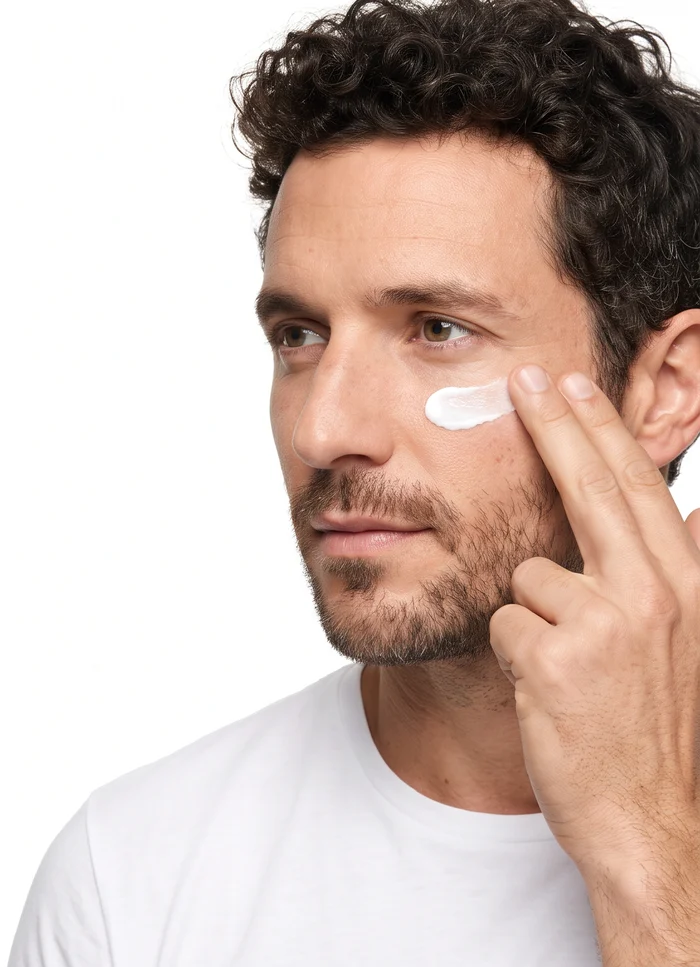
Starting a skincare routine can feel overwhelming. There are many products, ingredients and opinions. The good news is that a good routine can be very simple.
Three basic steps cover the most important needs of your skin: cleansing, moisturising and sun protection. Once these feel natural, you can add one targeted product for your personal skin goal.
Start with your skin type
Your skin type helps you choose the right textures. Here is a simple way to find it. Wash your face with a mild cleanser, wait about an hour and see how your skin feels.
- Dry skin feels tight and may look flaky.
- Oily skin looks shiny all over.
- Combination skin is shiny in the T-zone (forehead, nose and chin) and normal or dry on the cheeks.
- Normal skin feels comfortable and looks balanced.
- Sensitive skin reacts easily with redness, itching or stinging.
Your skin can change with the seasons, with age and with hormones. Check your skin from time to time and adjust your products.
Step 1: cleanse
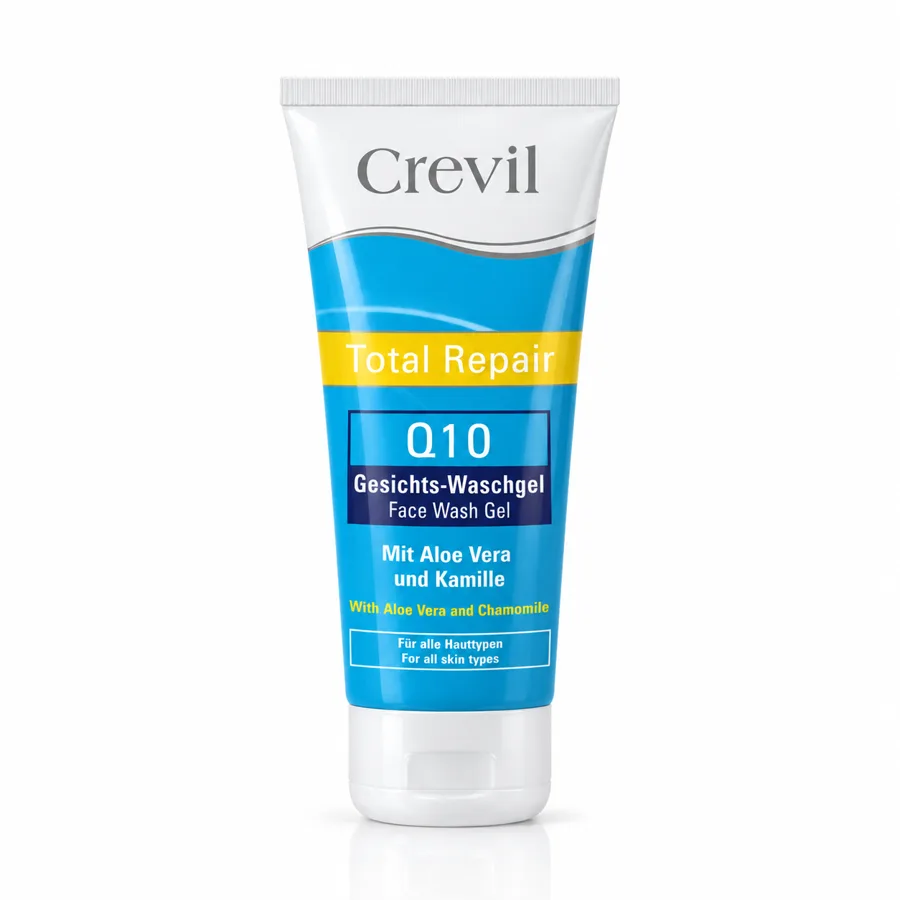
Cleansing removes sunscreen, makeup, sweat and excess oil. Choose a gentle cleanser that does not leave your skin tight. Gel cleansers often suit oily skin. Cream or milk cleansers often suit dry and sensitive skin.
In the evening, cleansing is essential. In the morning, many people with dry or sensitive skin only need to rinse with water. Use lukewarm water and pat your skin dry.
Step 2: moisturise
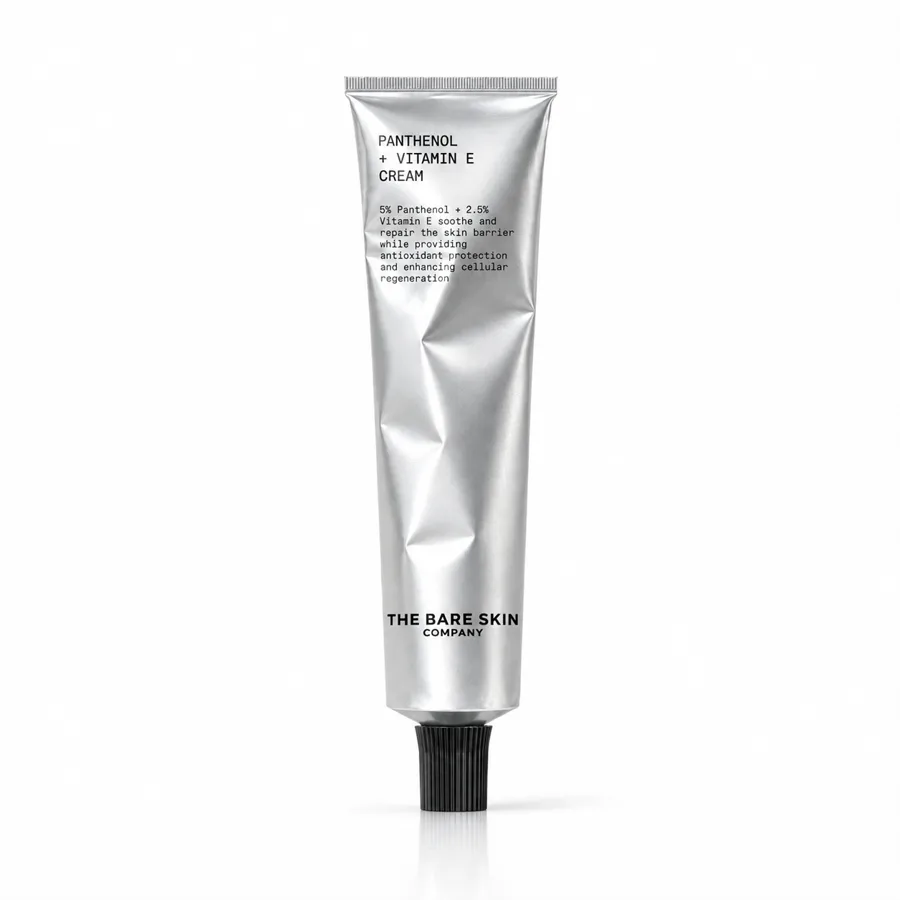
Every skin type needs moisture, including oily skin. A good moisturiser helps the skin hold water and supports the skin barrier.
Useful ingredients for beginners include:
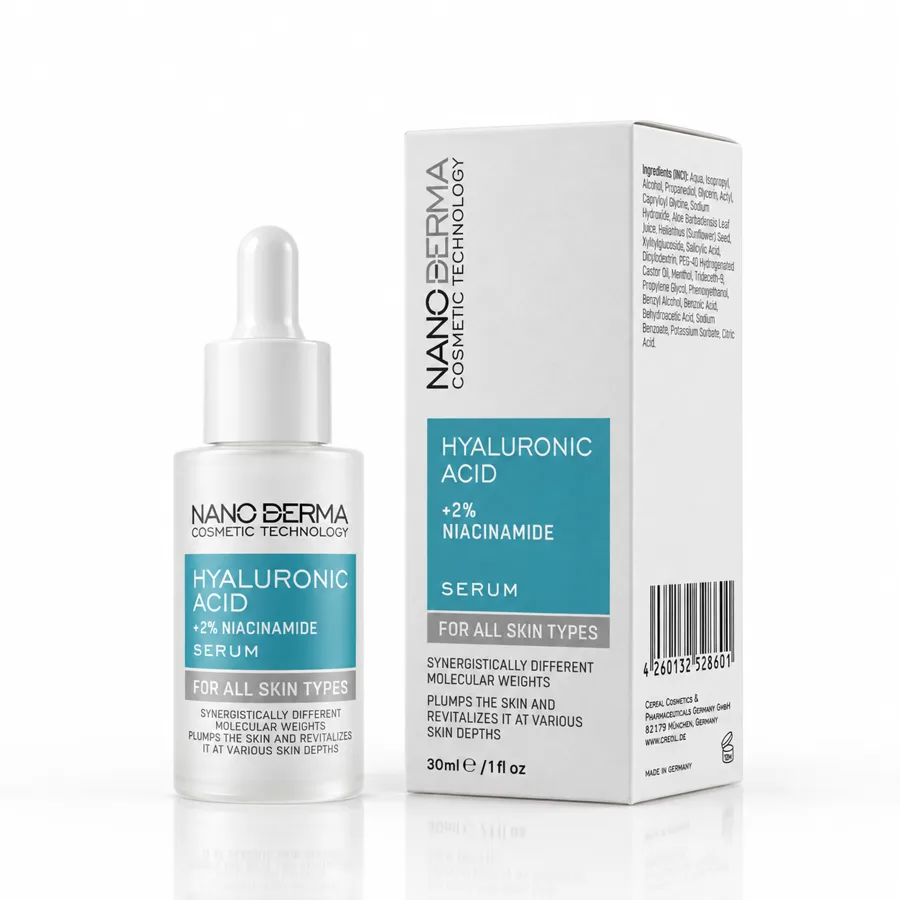
- Hyaluronic acid: binds water and helps the skin look plump and smooth.
- Ceramides: support the skin barrier and help reduce dryness.
- Niacinamide: a versatile ingredient that helps the skin look more even and refined.
Light lotions and gels often suit oily skin. Richer creams often suit dry skin.
Step 3: protect
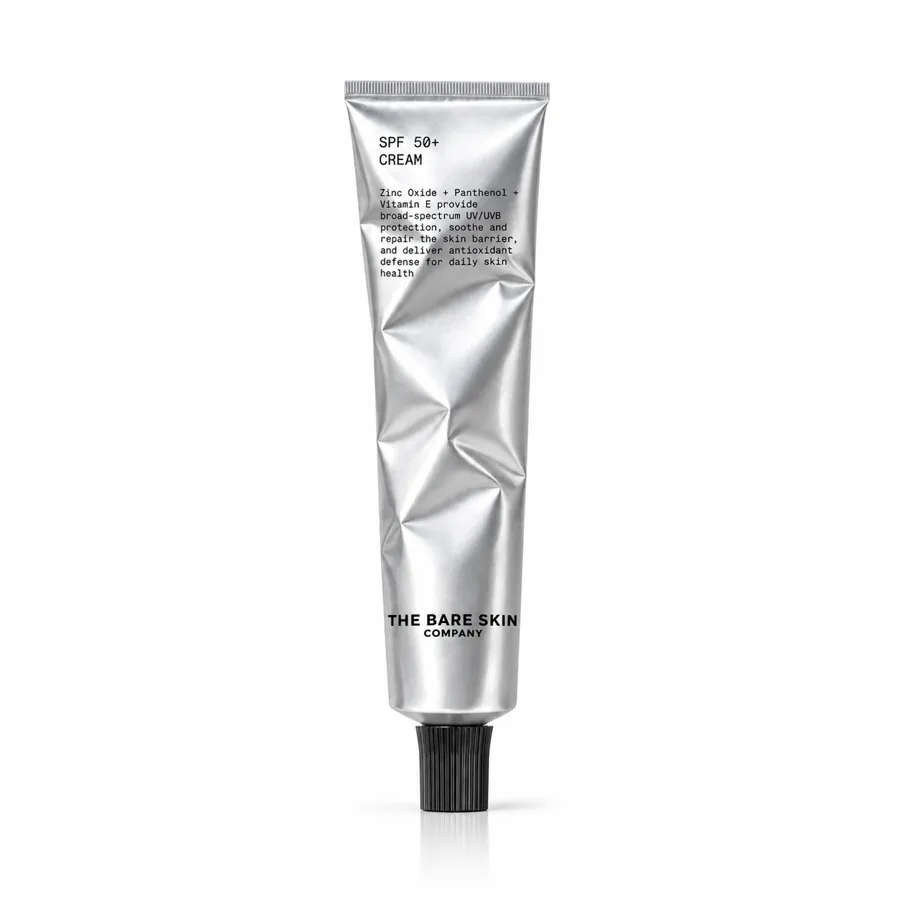
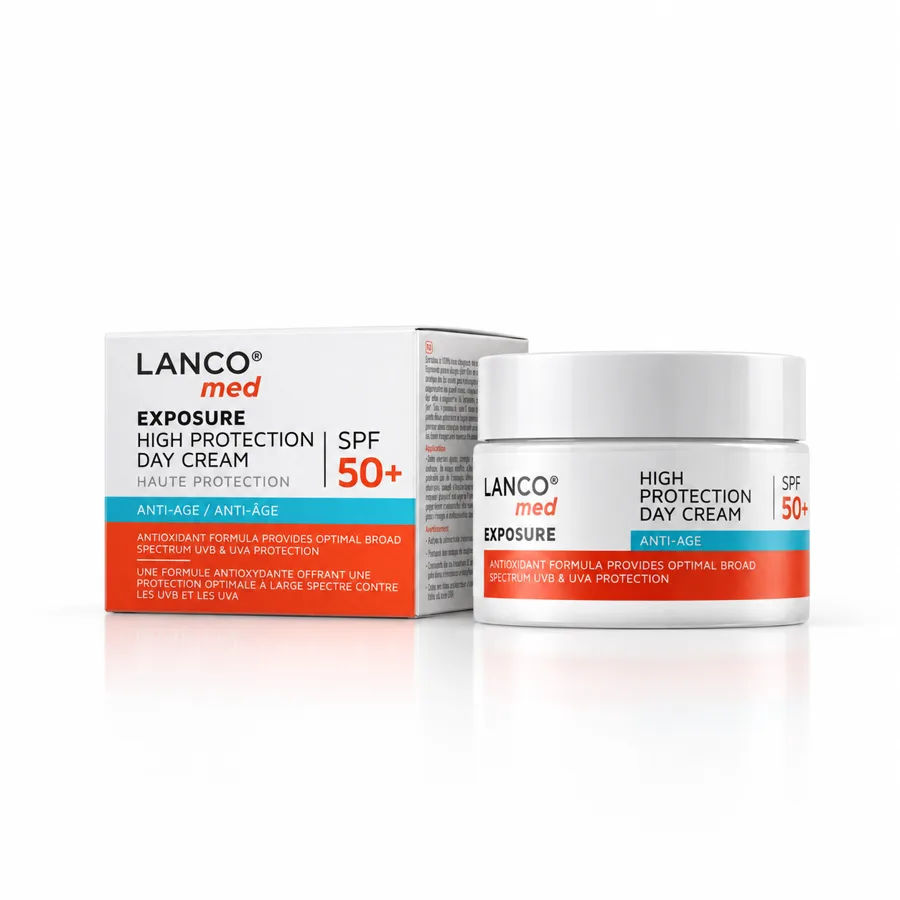
Sunscreen is the last step of your morning routine. It helps protect your skin from sunburn and from visible signs of sun damage, such as dark spots and early wrinkles.
Choose a broad-spectrum sunscreen with at least SPF 30. Use enough product and apply it every day, not only in summer. Mineral sunscreens with zinc oxide are often a good choice for sensitive skin.
When and how to add more
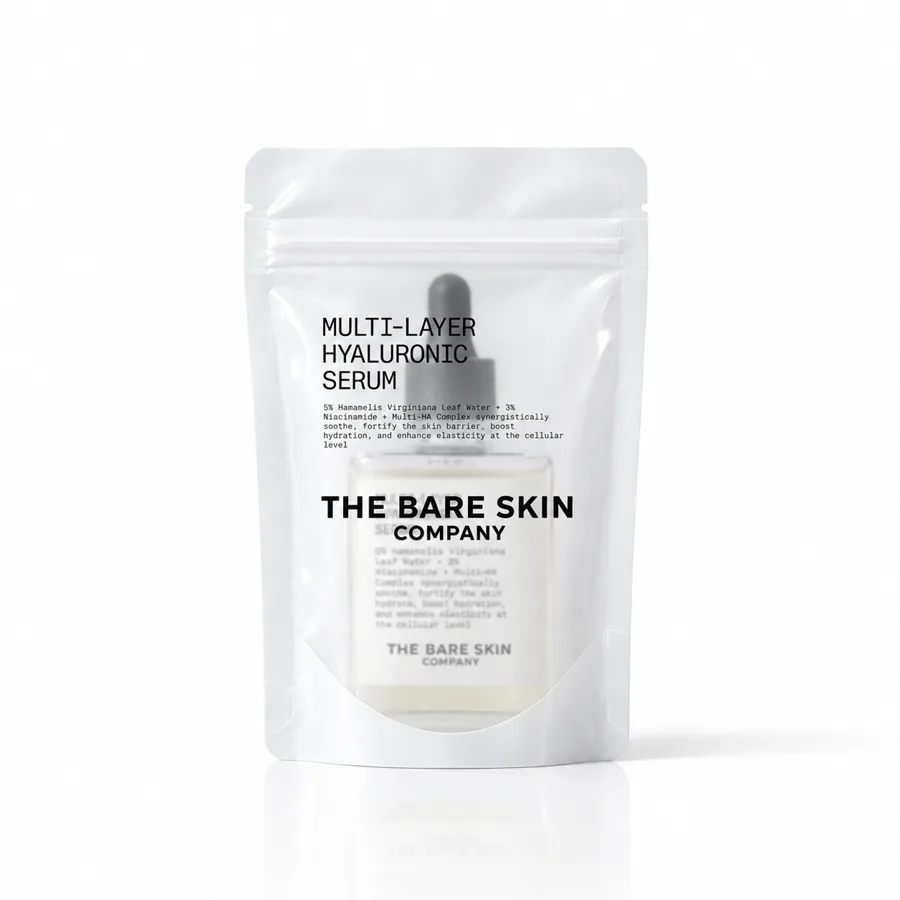
When your basic routine feels easy, you can add a serum for a specific goal. For example, choose a hydrating serum for dryness or a niacinamide serum for an uneven look. Add only one new product at a time. Use it for about four to six weeks before you judge the results.
Test new products on a small area first. If a product stings, burns or causes redness, stop using it. If you have persistent skin problems, such as painful breakouts or eczema, please speak to a dermatologist or pharmacist.
Later, you may want to try stronger actives such as retinol or exfoliating acids. Wait until your basic routine has been stable for a few months. Then introduce them slowly, a few evenings a week, and always use sunscreen in the morning.
Common beginner mistakes
Many beginners try to do too much too quickly. These are the most common mistakes:
- buying many products at once and starting them all on the same day
- changing products every few days before they have time to work
- using harsh scrubs or strong acids too often
- skipping sunscreen on cloudy days or in winter
- going to bed without removing makeup and sunscreen
A simple routine that you follow every day is more effective than a complex routine that you follow only sometimes. Keep your products where you can see them, for example next to your toothbrush. This makes it easier to build a habit.
Your routine, step by step
Cleanse
Use a gentle cleanser in the evening, and in the morning if your skin needs it.
Treat
Optional: apply one serum for your skin goal, for example a hydrating or niacinamide serum.
Moisturise
Apply a moisturiser that suits your skin type, morning and evening.
Protect
Every morning, finish with a broad-spectrum sunscreen of at least SPF 30.
Frequently asked questions
Do I need a toner?
No, a toner is optional. If you enjoy one, choose a gentle, alcohol-free formula. Cleanser, moisturiser and sunscreen are more important.
How long should I wait before I see results?
Skin renews itself slowly. Give a new routine about four to six weeks. Hydration can feel better sooner, but visible changes take time.
Can I use the same products morning and evening?
Yes, cleanser and moisturiser can be the same. The main difference is sunscreen in the morning. Some people prefer a richer cream at night.
This article provides general information about cosmetic skin care. It does not replace advice from a doctor, dermatologist or pharmacist. If symptoms are severe, painful or persistent, please seek professional advice. Always follow the directions on the individual product.