
Mineral or chemical sunscreen: what is the difference?
When you shop for sunscreen, you often see the words mineral and chemical. Both types protect the skin from UV light, but they use different kinds of UV filters.
There is no single best type for everyone. The right choice depends on your skin type, your preferences and how you use your sunscreen. This guide explains the main differences in simple terms.
How mineral sunscreens work
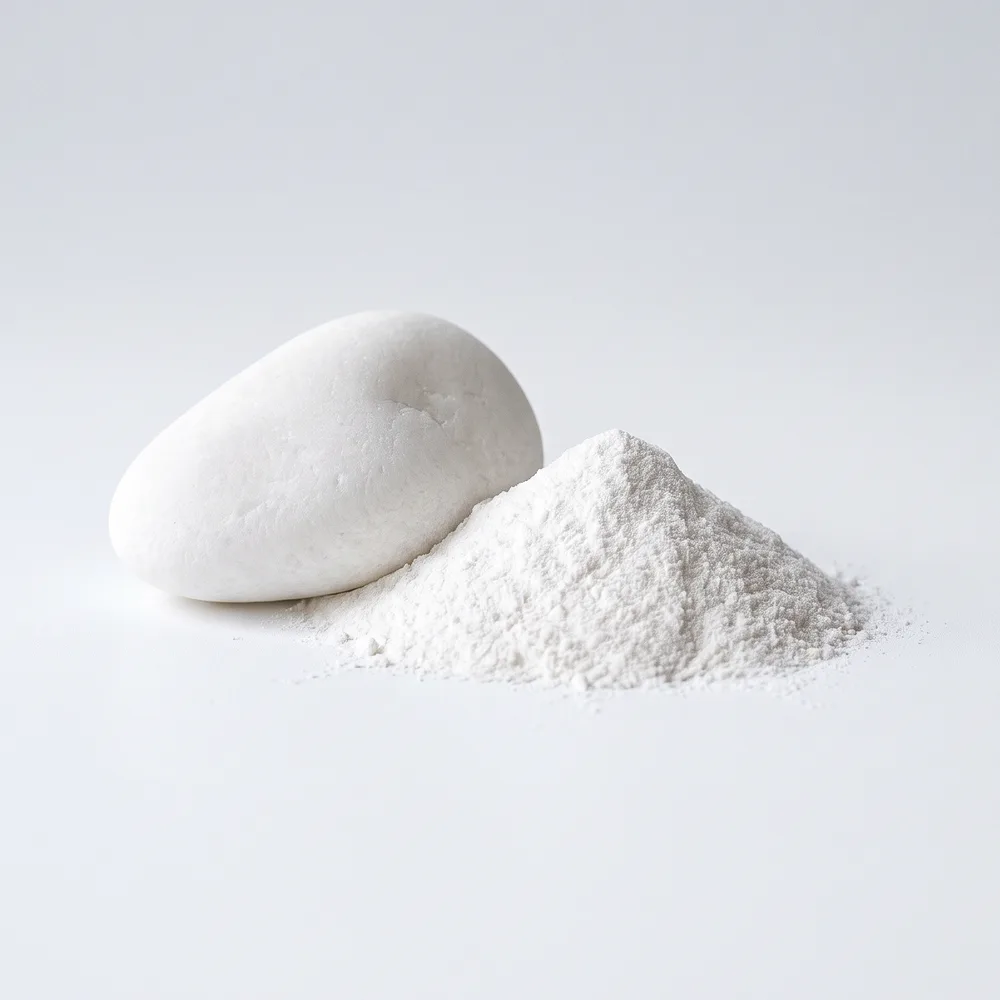
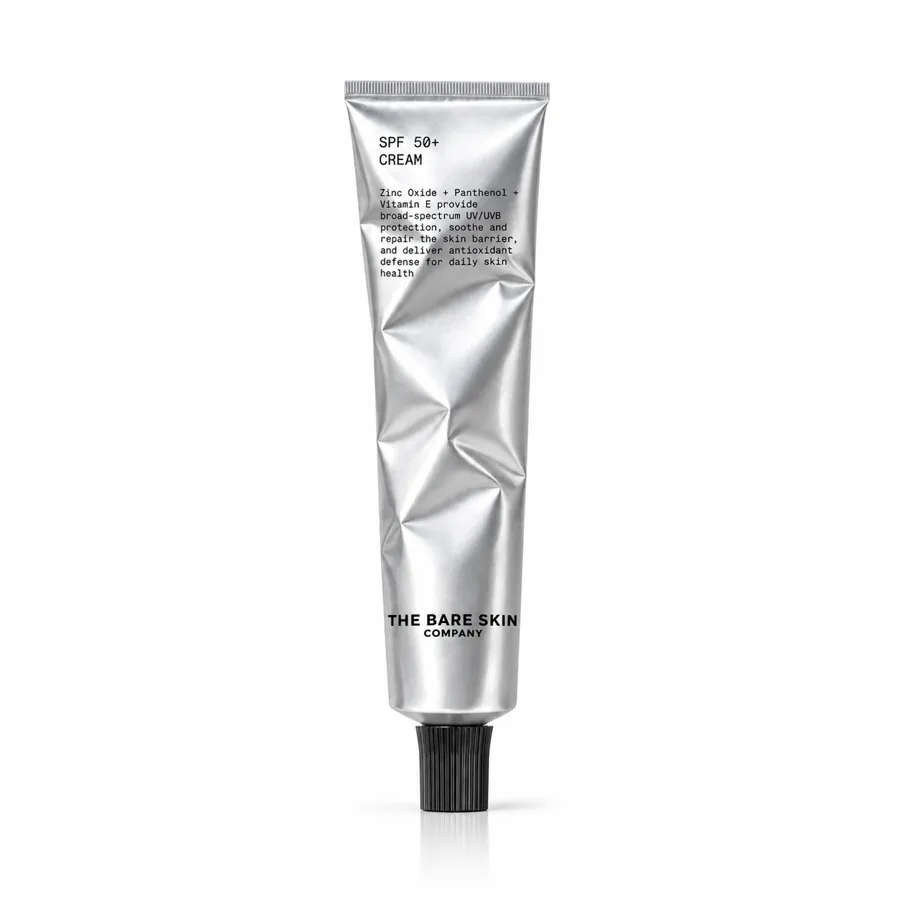
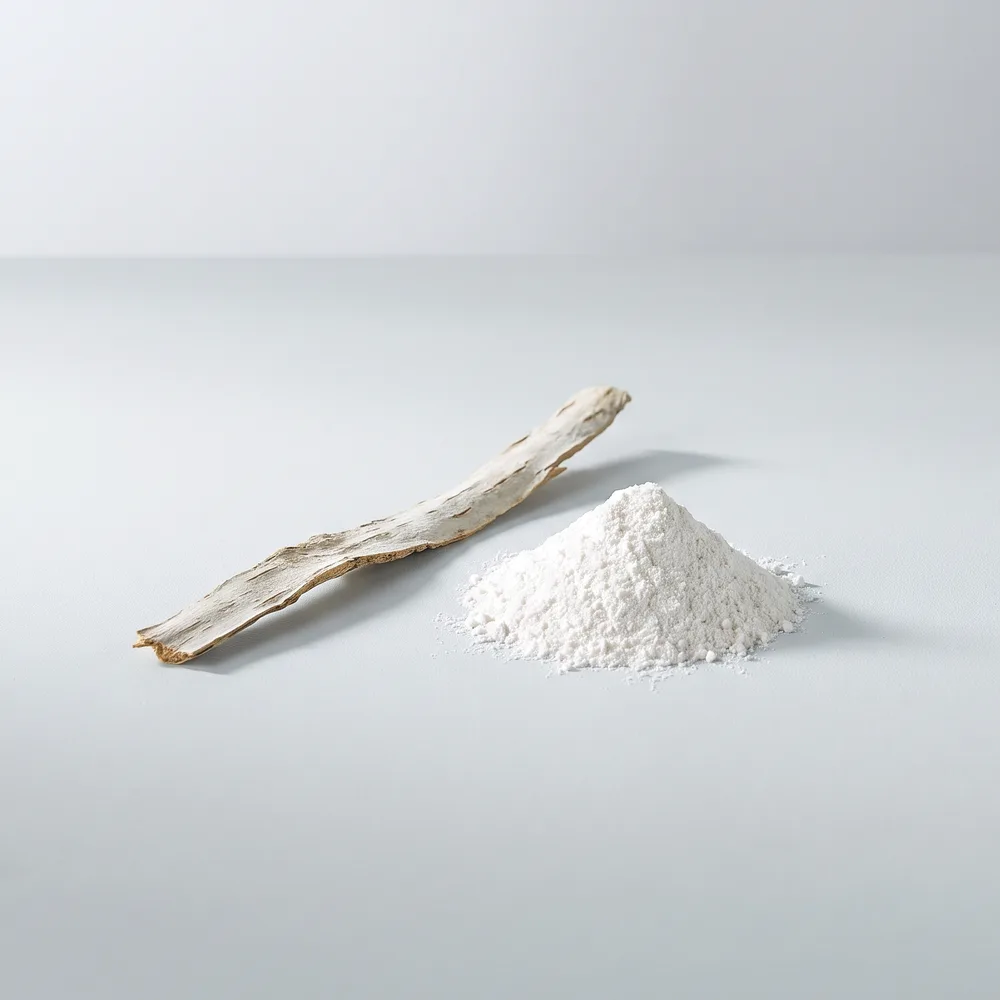
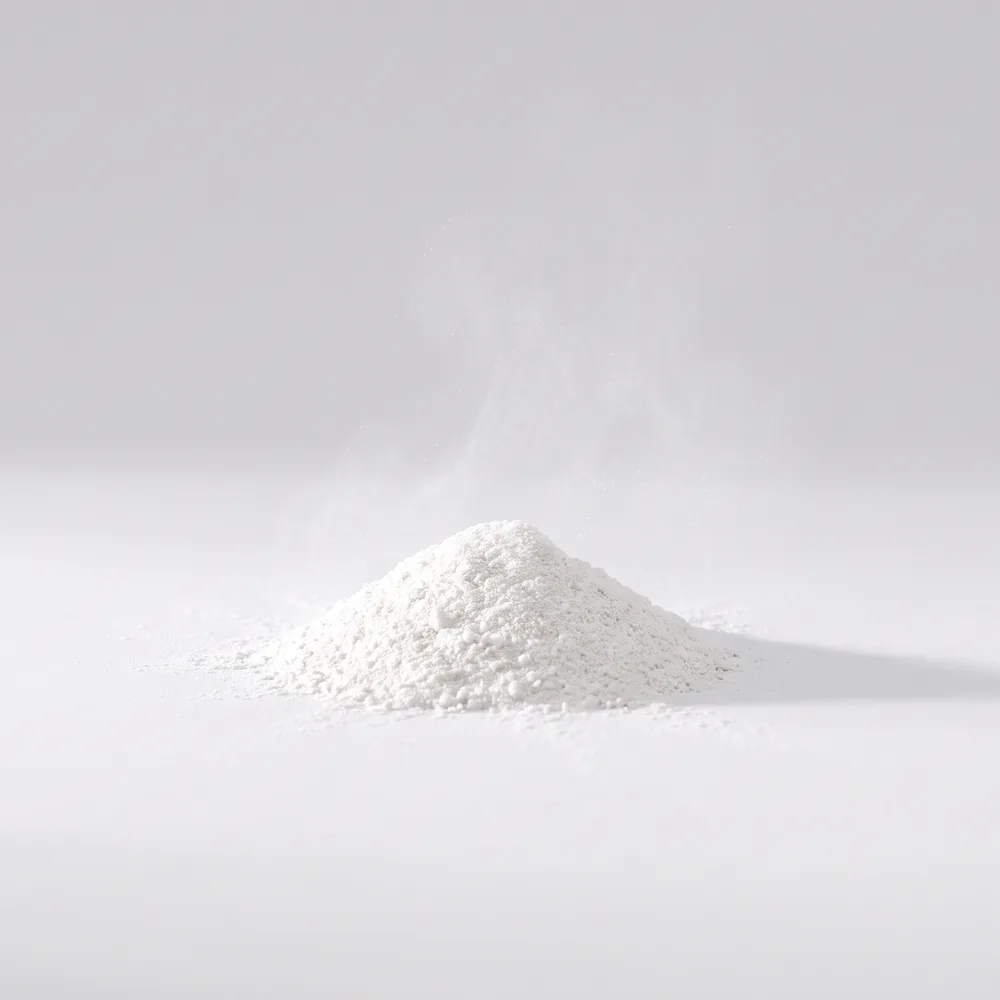
Mineral sunscreens, also called physical sunscreens, use mineral UV filters. In the EU, these are mainly zinc oxide and titanium dioxide. They sit on the skin and form a protective layer.
Mineral filters mainly absorb UV light, and they also reflect and scatter part of it. Zinc oxide covers a wide range of UVA and UVB light. Titanium dioxide is very good at filtering UVB and shorter UVA rays. Many mineral sunscreens combine both filters for broad protection.
How chemical sunscreens work
Chemical sunscreens use organic UV filters. These filters absorb UV light and convert it into a small amount of heat. Most products combine several filters, because each filter covers a different part of the UV range.
Chemical sunscreens often have a light, invisible texture. They spread easily and usually do not leave a white cast. This makes them popular for daily wear and for deeper skin tones. All UV filters that are allowed in cosmetic sunscreens in the EU are regulated and assessed for safety.
Pros and cons at a glance
Mineral sunscreens
- often well tolerated by sensitive, reactive and redness-prone skin
- a good option for children and for skin after cosmetic treatments
- zinc oxide has a soothing reputation in skincare
- can feel thicker and may leave a light white cast
Chemical sunscreens
- light textures that are easy to spread
- usually invisible on all skin tones
- easy to wear under makeup
- some filters can sting sensitive skin or the eyes
Modern formulas have reduced many of these differences. Many mineral sunscreens now feel lighter, and many chemical sunscreens are made for sensitive skin.
Which type suits your skin?
If your skin is sensitive, easily red or prone to irritation, a mineral sunscreen is often a good place to start. Mineral filters are also a common choice for blemish-prone skin, as long as the formula is non-comedogenic.
If you dislike a white cast or a thicker texture, a chemical or hybrid sunscreen may feel more comfortable. Hybrid sunscreens combine mineral and chemical filters.
If you have a skin condition, such as rosacea or eczema, ask a dermatologist or pharmacist which sunscreen fits your skin. Always test a new sunscreen on a small area first.
What matters most
The type of filter is less important than how you use your sunscreen. Choose a broad-spectrum product with at least SPF 30 for daily use. Apply enough, and reapply about every two hours when you are outdoors.
A sunscreen only protects you if you wear it. Choose a texture you enjoy, so that sun protection becomes an easy daily habit.
Tips for applying mineral sunscreen
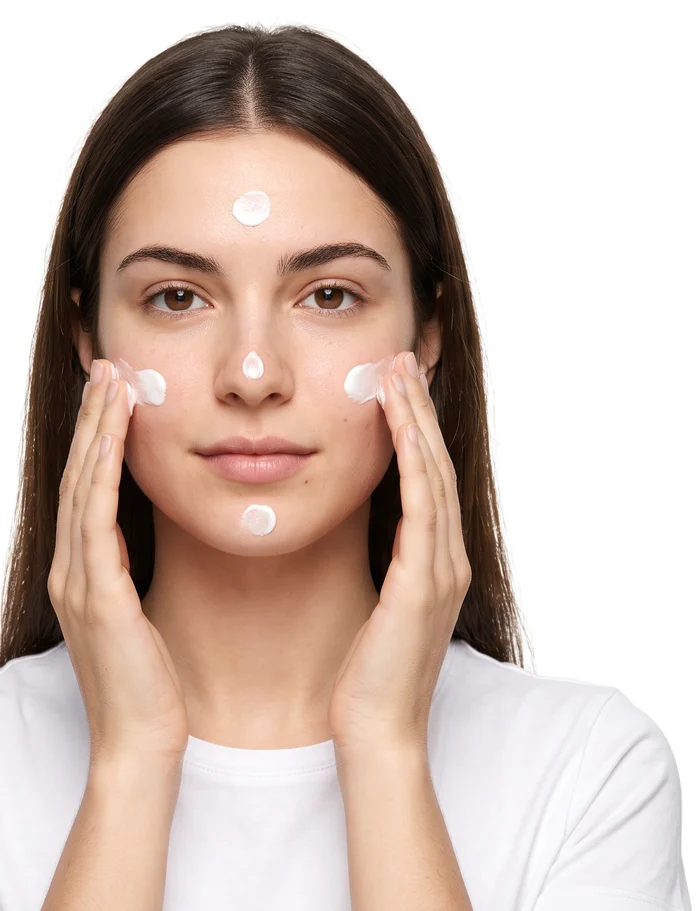
Mineral sunscreens can feel different from other creams. A few simple tips make them easier to use. Apply the sunscreen in small amounts and spread it in sections, for example forehead, cheeks, nose and chin. Massage each area until the product is evenly distributed.
Wait a few minutes before you apply makeup. This allows the protective layer to settle. If you wear foundation, a tinted mineral sunscreen can help even out the look of the skin and reduce the white cast.
Remove mineral sunscreen thoroughly in the evening. A gentle cleanser is usually enough. If you wear water-resistant sunscreen, an oil or balm cleanser can help remove it.
Frequently asked questions
Are mineral sunscreens better for the environment?
This question is still being studied. The impact of a sunscreen depends on the whole formula, not only on the filter type. Using sunscreen together with shade and clothing helps reduce the amount you need.
Why do some mineral sunscreens look white?
Zinc oxide and titanium dioxide are white minerals. Finer particles and tinted formulas reduce the white cast. Massaging the product in well also helps.
Do mineral sunscreens work right away?
Mineral filters protect as soon as they form an even layer on the skin. Still, it is a good habit to apply any sunscreen a few minutes before going outside.
This article provides general information about cosmetic skin care. It does not replace advice from a doctor, dermatologist or pharmacist. If symptoms are severe, painful or persistent, please seek professional advice. Always follow the directions on the individual product.