
AHA vs. BHA: which exfoliant suits your skin?
Chemical exfoliants help remove dead skin cells without scrubbing. The two best-known groups are AHAs (alpha hydroxy acids) and BHA (beta hydroxy acid). Both can make the skin look smoother and brighter.
However, they work in different ways and suit different skin types. Once you understand the difference, it becomes much easier to choose the right product for your skin.
What chemical exfoliants do
Your skin renews itself all the time. Old cells move to the surface and are normally shed. Sometimes this process slows down. Dead cells then build up, and the skin can look dull, feel rough or develop clogged pores.
Chemical exfoliants loosen the bonds that hold these dead cells together. The cells can then come away more easily. Unlike scrubs, chemical exfoliants work evenly and do not rub the skin. When used correctly, they are often gentler than physical scrubs.
The strength of a chemical exfoliant depends on the type of acid, its concentration and the pH of the formula. A low-strength product used regularly is often a better start than a strong peel.
AHAs: for the skin surface
AHAs are water-soluble acids. They work mainly on the surface of the skin. The two most common AHAs in skincare are glycolic acid and lactic acid.
- Glycolic acid has the smallest molecule among AHAs. It penetrates the surface easily and is very effective at smoothing texture and improving the look of dullness.
- Lactic acid has a larger molecule. It works more slowly and is often milder. It also helps the skin bind moisture, which makes it a good choice for dry or sensitive skin.
AHAs are often chosen for dry, dull or uneven skin, and for the look of fine lines and sun-related discolouration.
BHA: for inside the pores
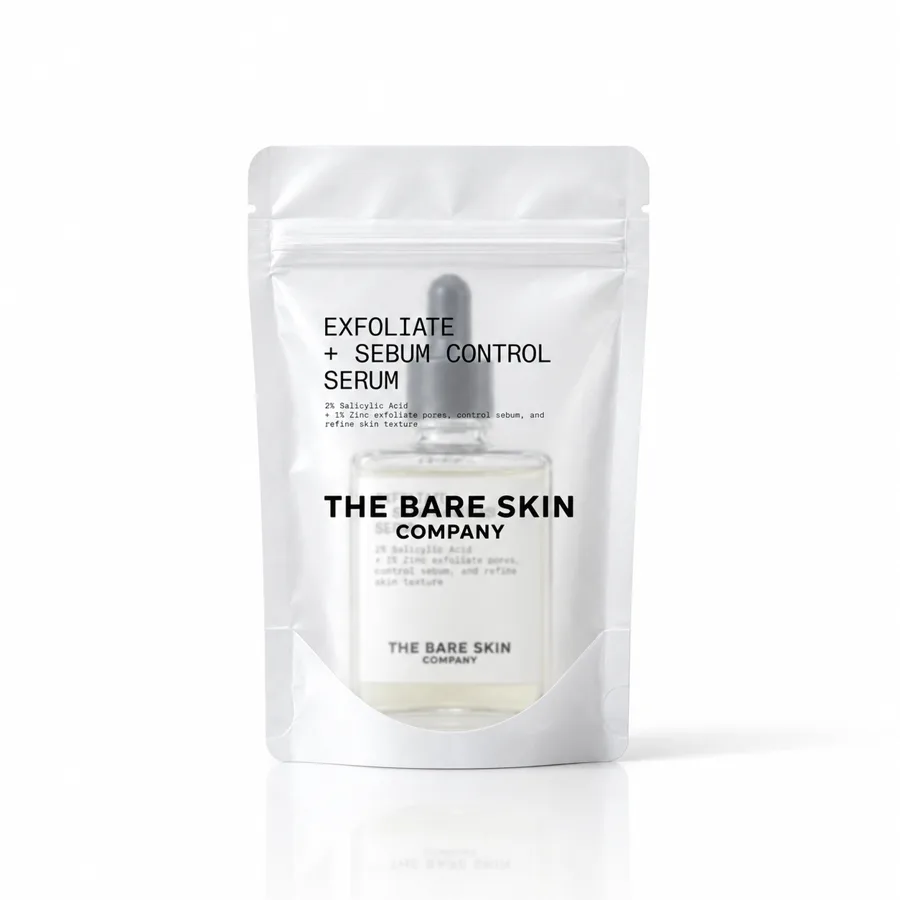
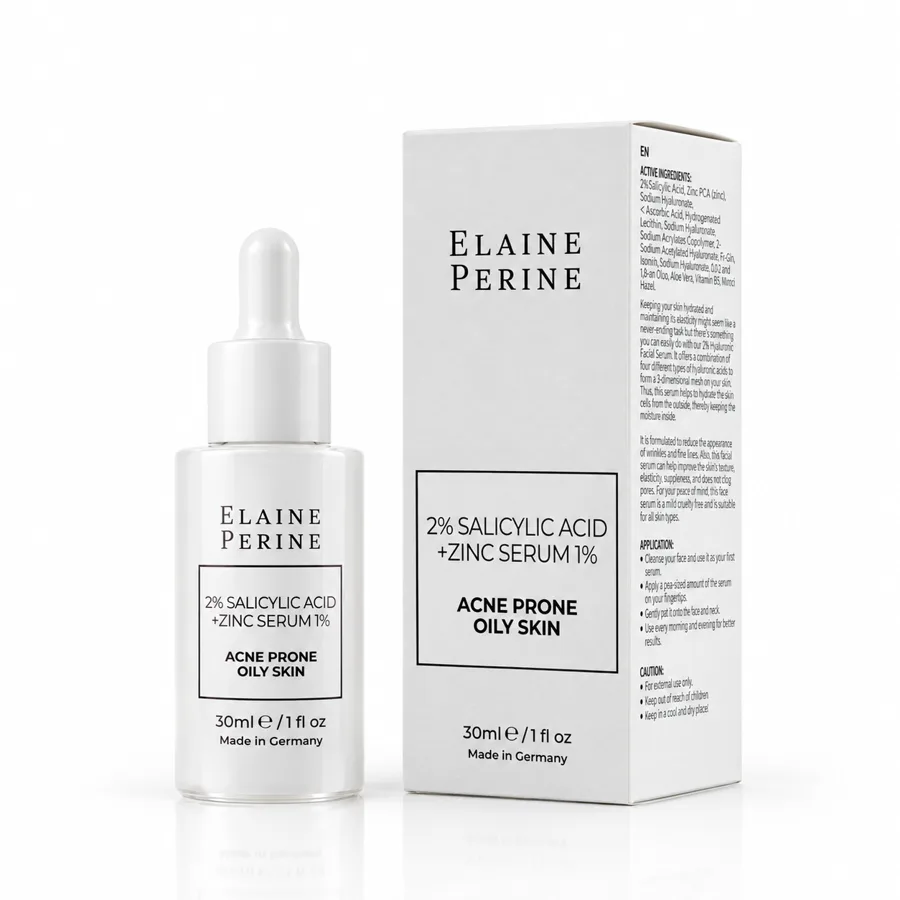
In skincare, BHA usually means salicylic acid. Unlike AHAs, salicylic acid is oil-soluble. This means it can move through the oil in your pores and work inside them.
Salicylic acid helps loosen the mix of oil and dead cells that can clog pores. This can help reduce the look of blackheads and enlarged pores. It also has a calming effect on the skin, which is why it is popular for blemish-prone skin.
BHA is often chosen for oily, combination and blemish-prone skin, and for areas with visible pores, such as the nose and chin.
Which one suits your skin?
Your skin type and your main concern help you decide.
- Dry or normal skin, dull tone, rough texture: start with an AHA. Lactic acid is a good first choice.
- Oily skin, clogged pores, blackheads: start with a BHA.
- Combination skin: a BHA often works well. You can also use an AHA on drier areas.
- Sensitive skin: choose a low concentration and use it only a few times a week. Lactic acid or a gentle BHA are usually the best options.
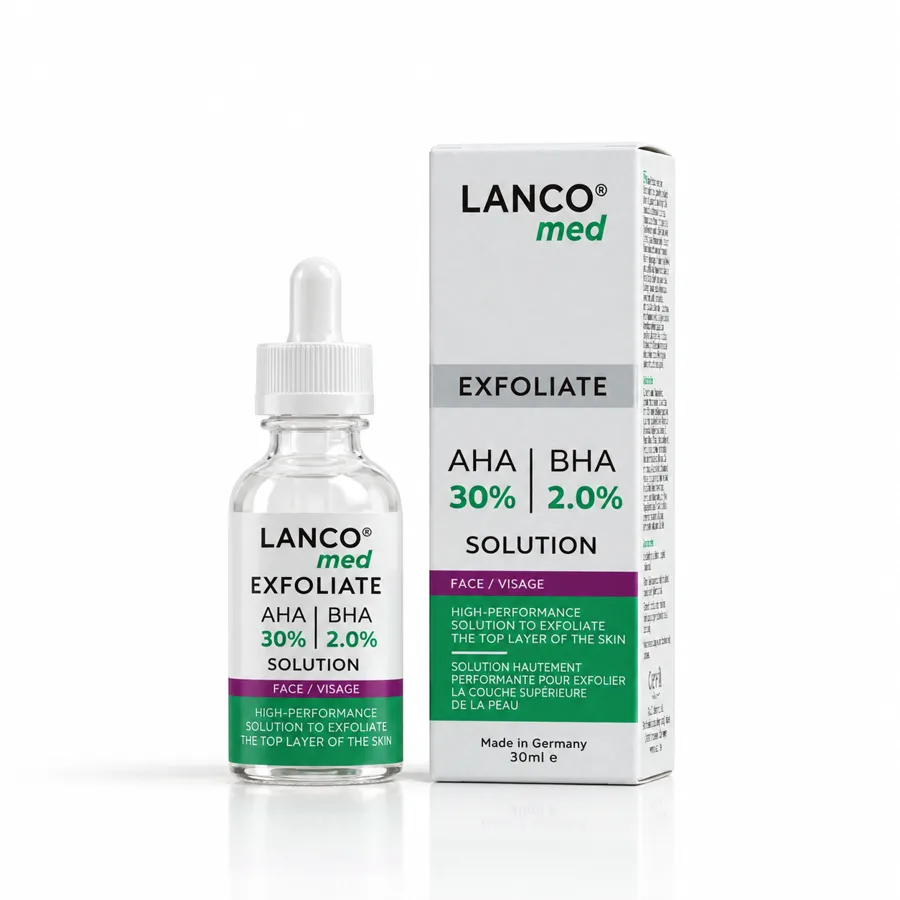
Some products combine AHAs and BHA. These can be useful for congested, uneven skin, but they are usually stronger. Use them less often and watch how your skin responds.
How to use AHAs and BHA safely
Start slowly. Use your exfoliant two or three times a week and increase only if your skin stays comfortable. Apply it to clean, dry skin and follow with a moisturiser.
Mild tingling can be normal at first. Strong burning, redness or peeling are signs that you should use the product less often or stop.
Both AHAs and BHA can make your skin more sensitive to the sun. Use a broad-spectrum sunscreen every morning, even on cloudy days. Avoid using several strong acids or retinol on the same evening until you know how your skin reacts.
If you have persistent or painful breakouts, please speak to a dermatologist.
Your routine, step by step
Cleanse
Wash your face with a gentle cleanser and pat it dry.
Exfoliate
Apply your AHA or BHA product two to three times a week, preferably in the evening.
Moisturise
Follow with a moisturiser to keep the skin comfortable.
Protect
Every morning, apply a broad-spectrum sunscreen.
Frequently asked questions
Can I use AHA and BHA together?
Yes, but not necessarily at the same time. Many people use them on different evenings, or apply BHA to oily areas and AHA to dry areas. Combined products exist, but they are usually stronger, so use them less often.
Are AHAs and BHA suitable during pregnancy?
Recommendations for salicylic acid and AHAs during pregnancy can differ. Please ask your doctor or pharmacist before using exfoliating products when you are pregnant or breastfeeding.
How soon will I see results?
Many people notice smoother skin after a few uses. Changes in pores or uneven tone usually take several weeks of regular use.
This article provides general information about cosmetic skin care. It does not replace advice from a doctor, dermatologist or pharmacist. If symptoms are severe, painful or persistent, please seek professional advice. Always follow the directions on the individual product.